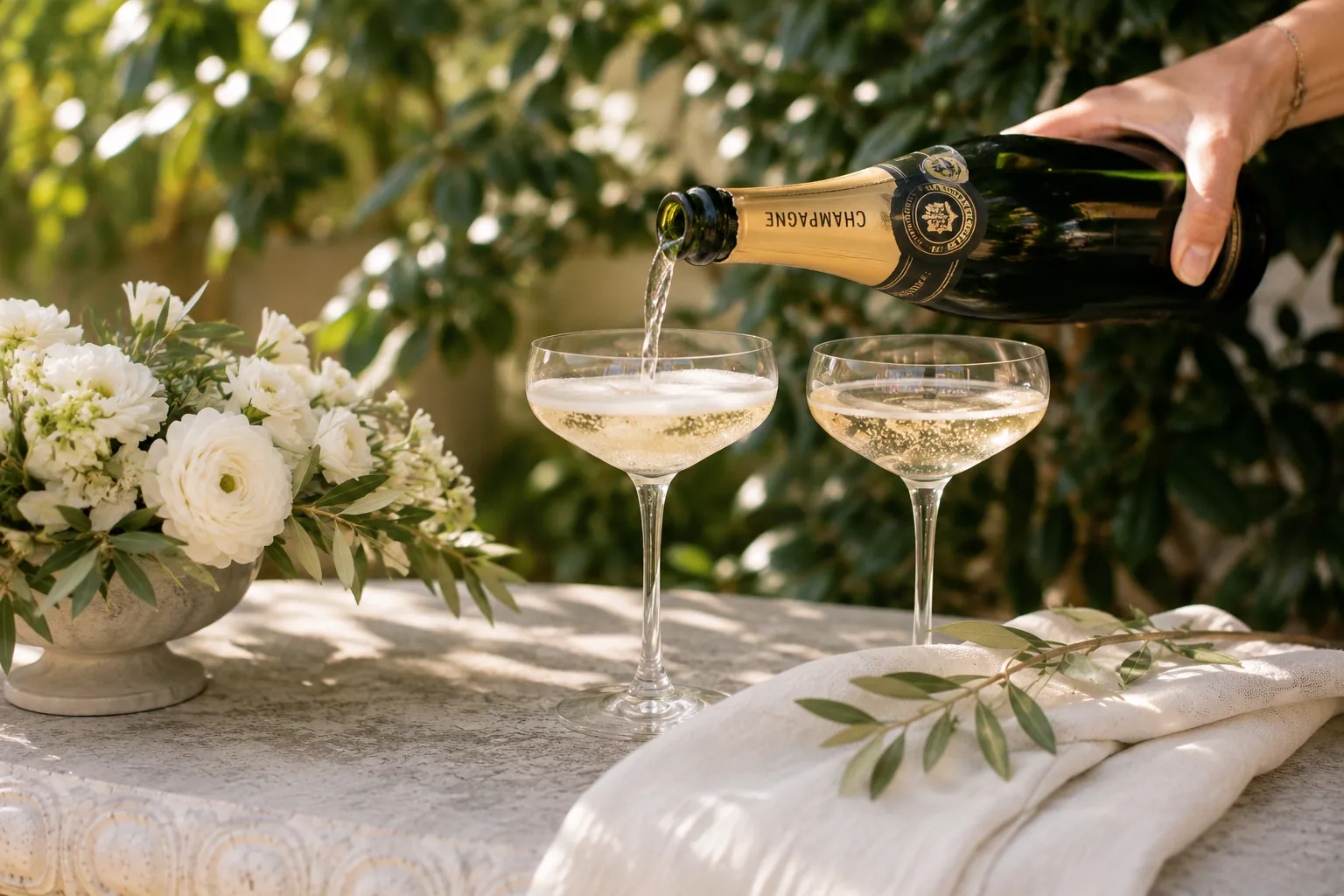
The best simple wedding reception ideas make the time together feel generous, not overplanned. With fewer guests, you can welcome people well, share one beautiful meal, hear the stories that matter, and still have time to enjoy your own celebration.
A simple reception can be a long lunch after a courthouse ceremony, cocktails and cake beneath the trees, or dinner that drifts naturally into a final toast. It does not need a ballroom checklist to feel complete. It needs a clear sense of what you want your guests to experience and enough room for that to happen without rushing.
1. Begin with the feeling you want to create
Before choosing centerpieces, a cake, or a reception playlist, decide what kind of gathering you want people to remember. Maybe you want a dinner party with vows at the beginning. Maybe you want a relaxed garden afternoon where guests can settle in with a drink. Maybe you want a short ceremony followed by the meal you never get to have when a wedding schedule becomes too crowded.
Write down three words for the reception, then let them guide the choices that follow. Warm, unhurried, and candlelit creates a different plan than festive, casual, and sunlit. The words do not need to be clever. They simply help you say yes to the details that strengthen the experience and no to traditions that belong to someone else's wedding.
For a useful starting point, separate the moments guests will experience from the things they will only notice in photographs. Comfortable seating, a welcoming arrival, food that gives people a reason to linger, and a clear place to gather will matter more than a long list of decorative extras.
2. Give guests an easy way to arrive
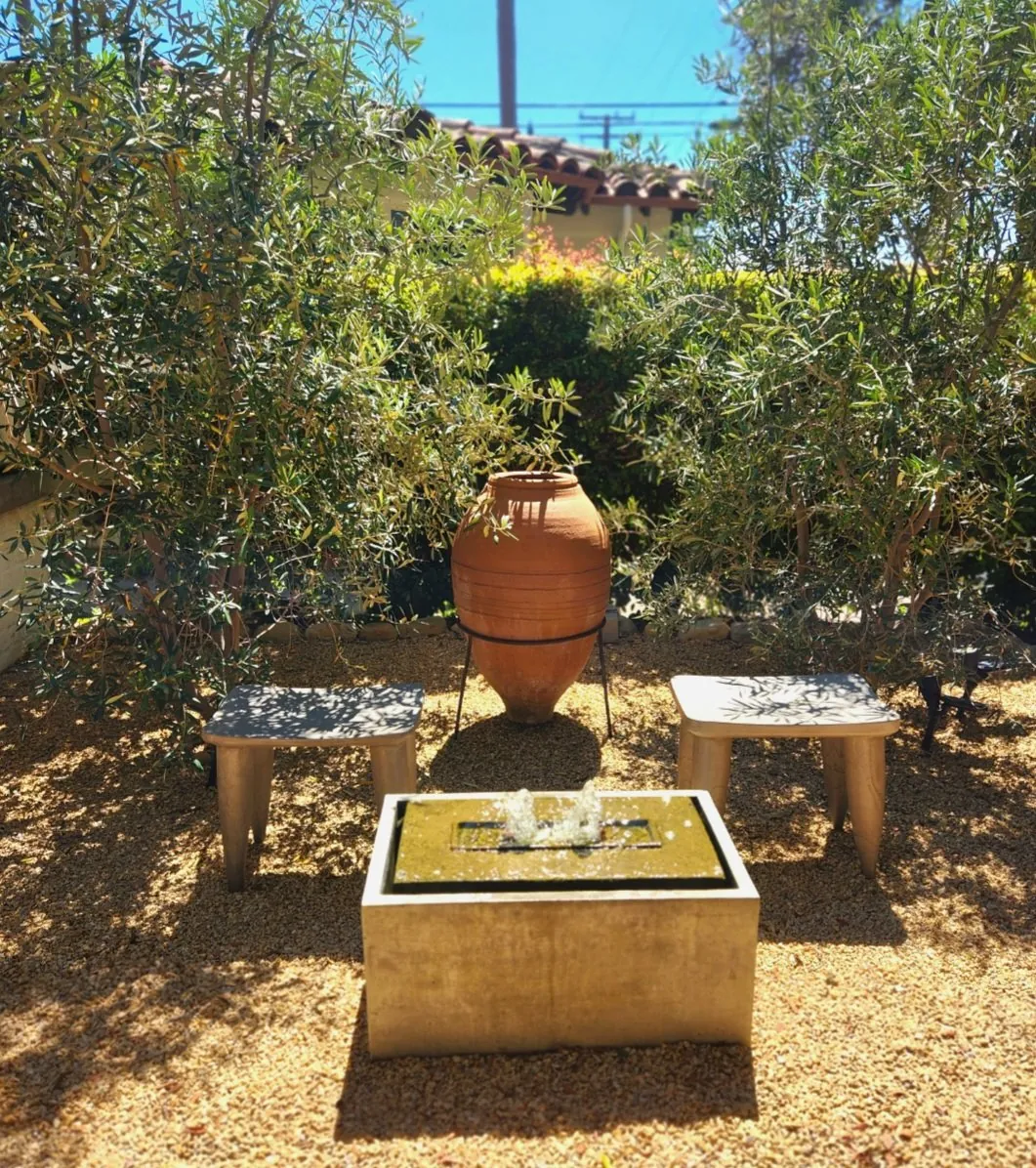
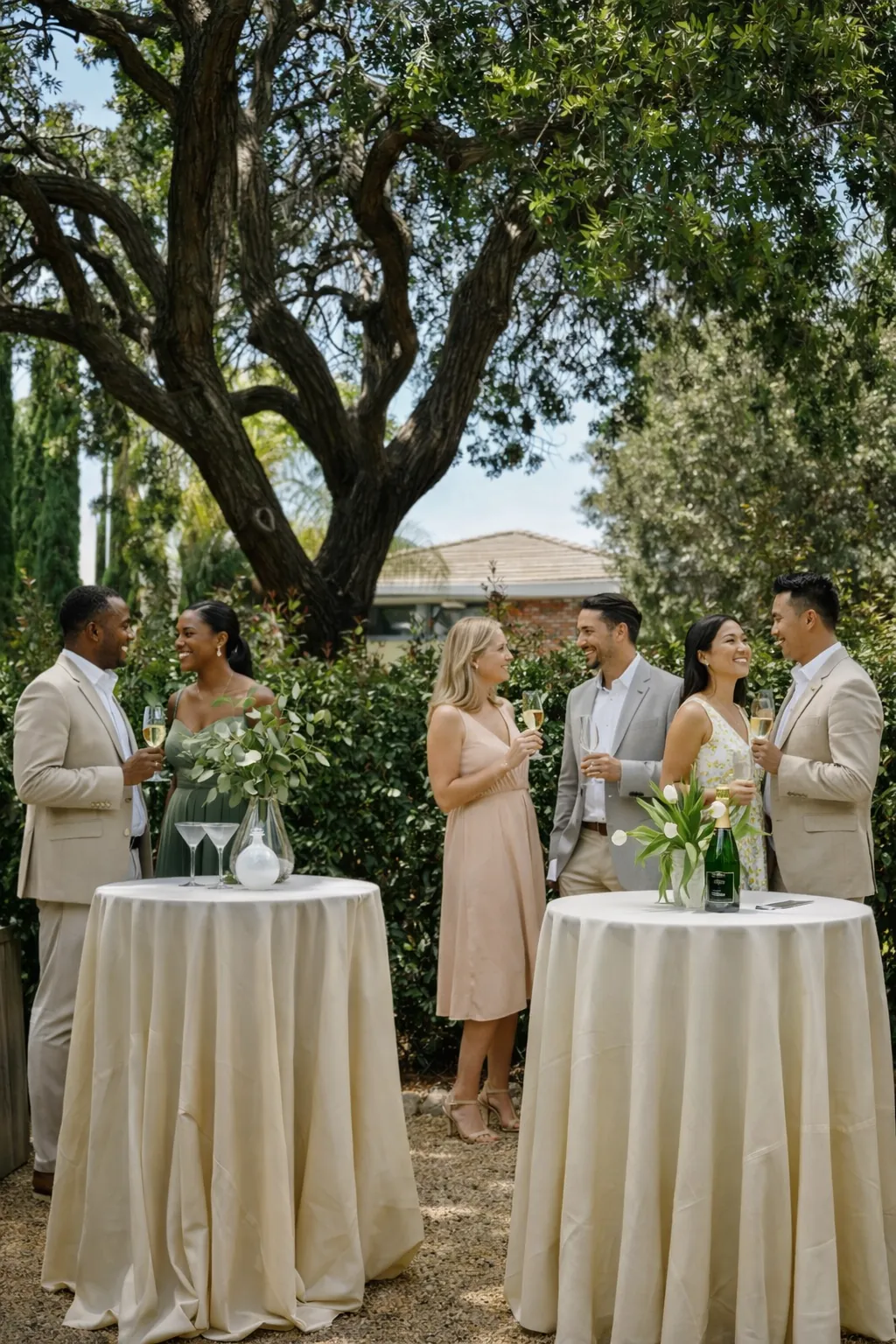
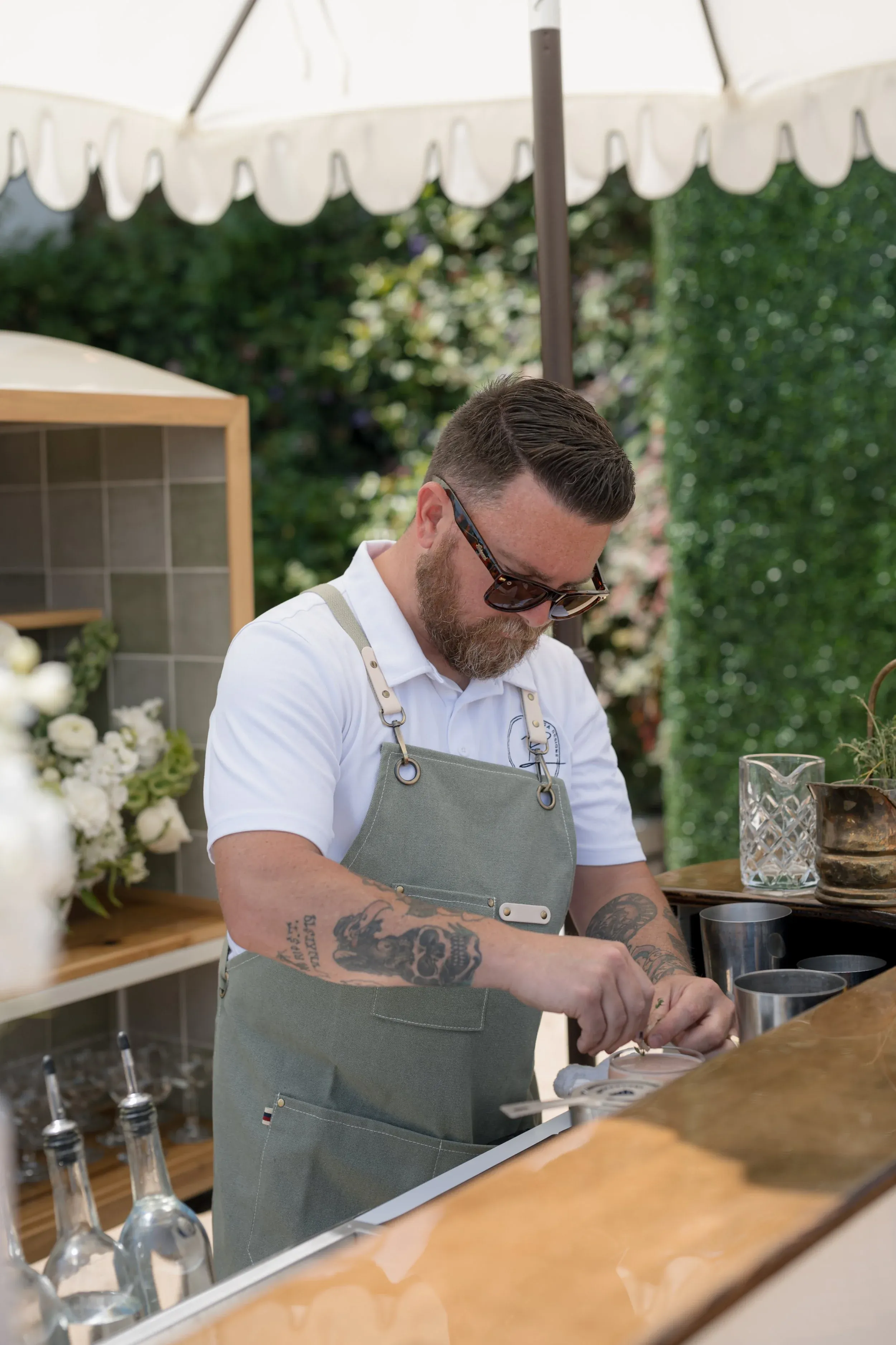
A small reception feels more relaxed when guests know what to do in the first few minutes. A welcome drink, a tray of sparkling water, a small cocktail bar, or a familiar song playing in the background gives people a natural place to land while they greet one another. It also gives you time to finish photographs or take a quiet breath after the ceremony.
Keep the arrival moment simple enough that it does not create another task for a family member. You might have one bartender, a self-serve drink station, or a few passed glasses if the group is moving directly from the ceremony into cocktails. If children or older relatives are attending, make sure there is shade, a seat, and something nonalcoholic available without anyone needing to ask.
3. Make the table the center of the reception
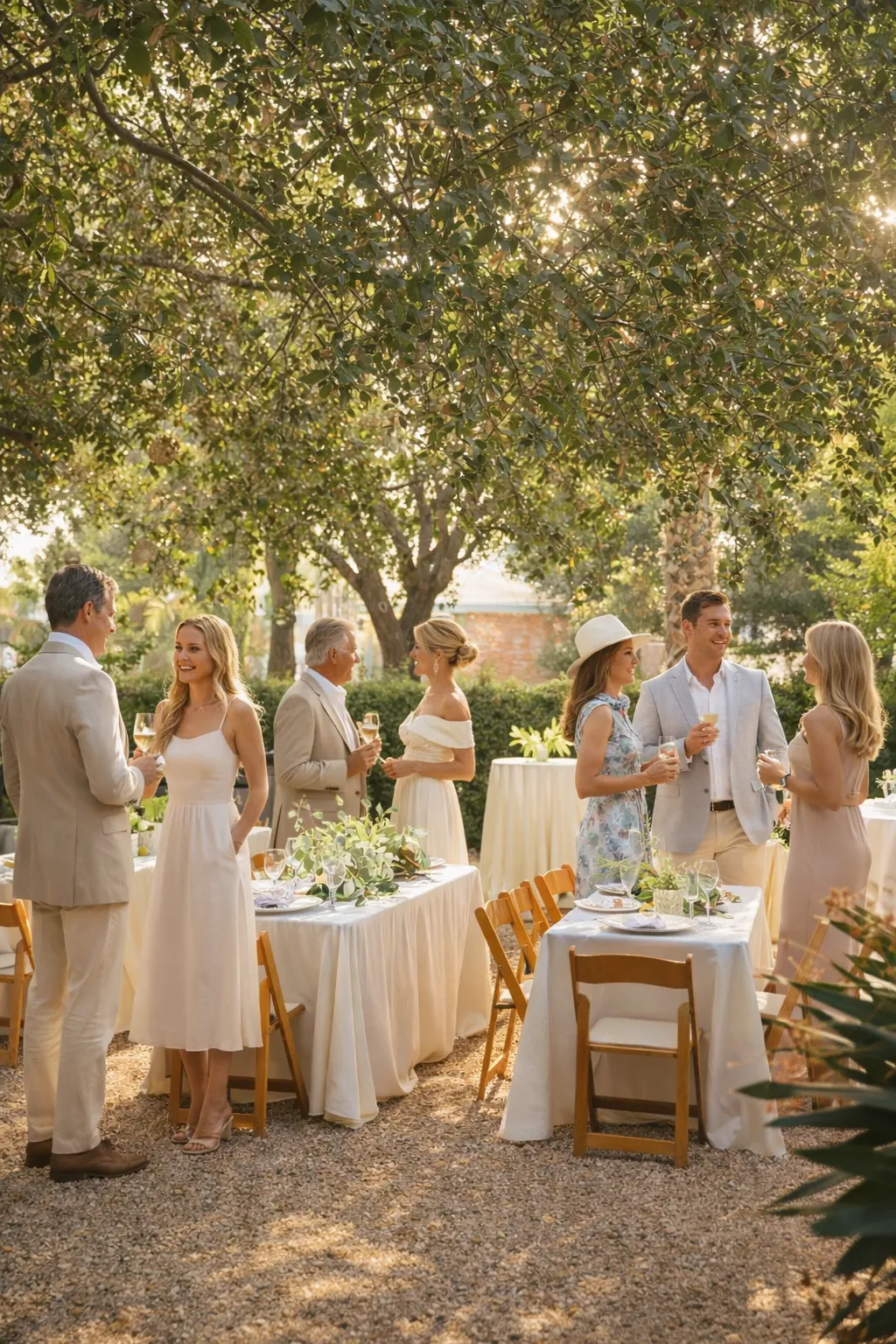
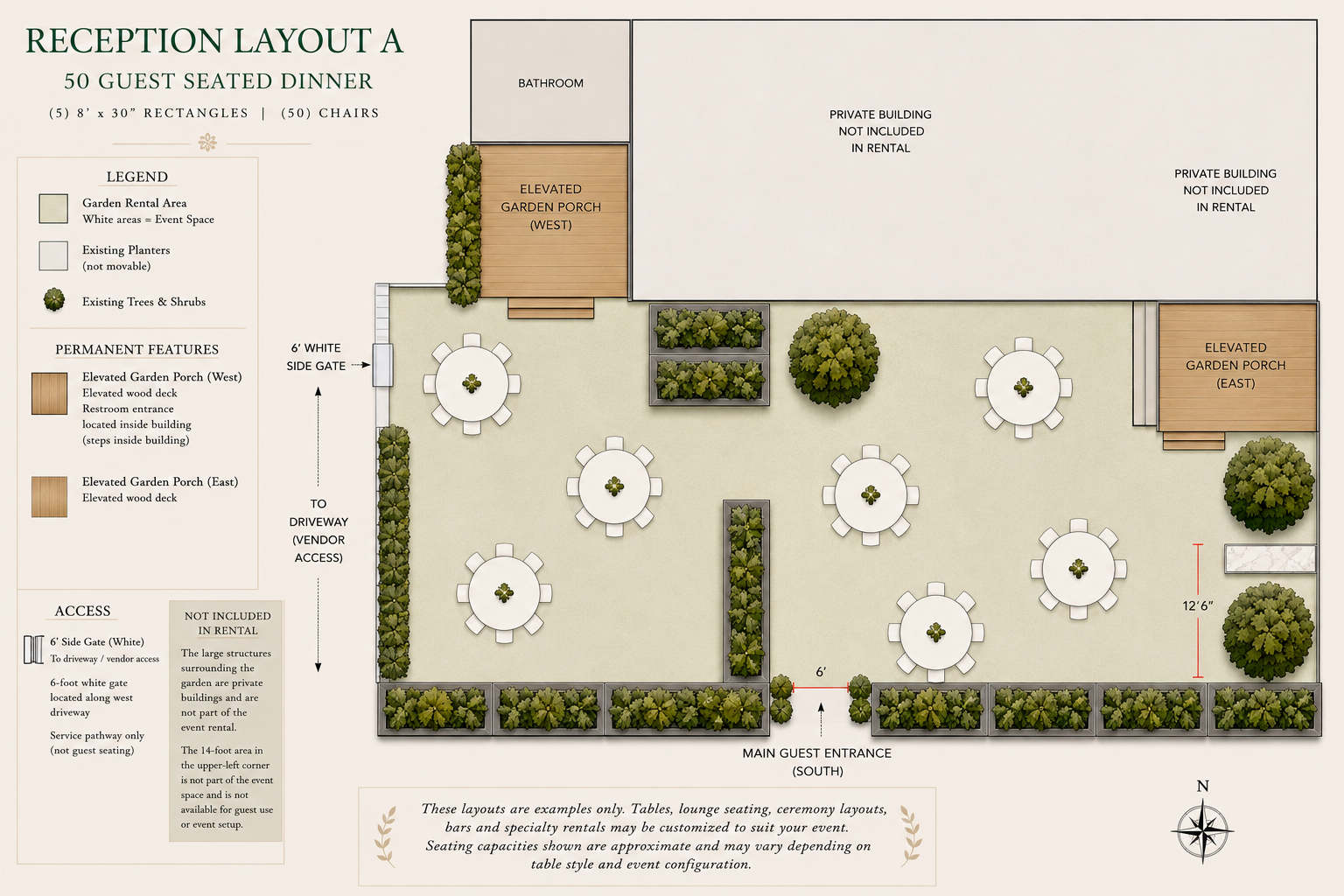
For many small weddings, the meal is the emotional center of the day. One long table, a U-shaped arrangement, or a few connected tables can make the reception feel like one shared occasion instead of several separate groups. Guests can see one another, conversations travel easily, and toasts feel personal instead of performative.
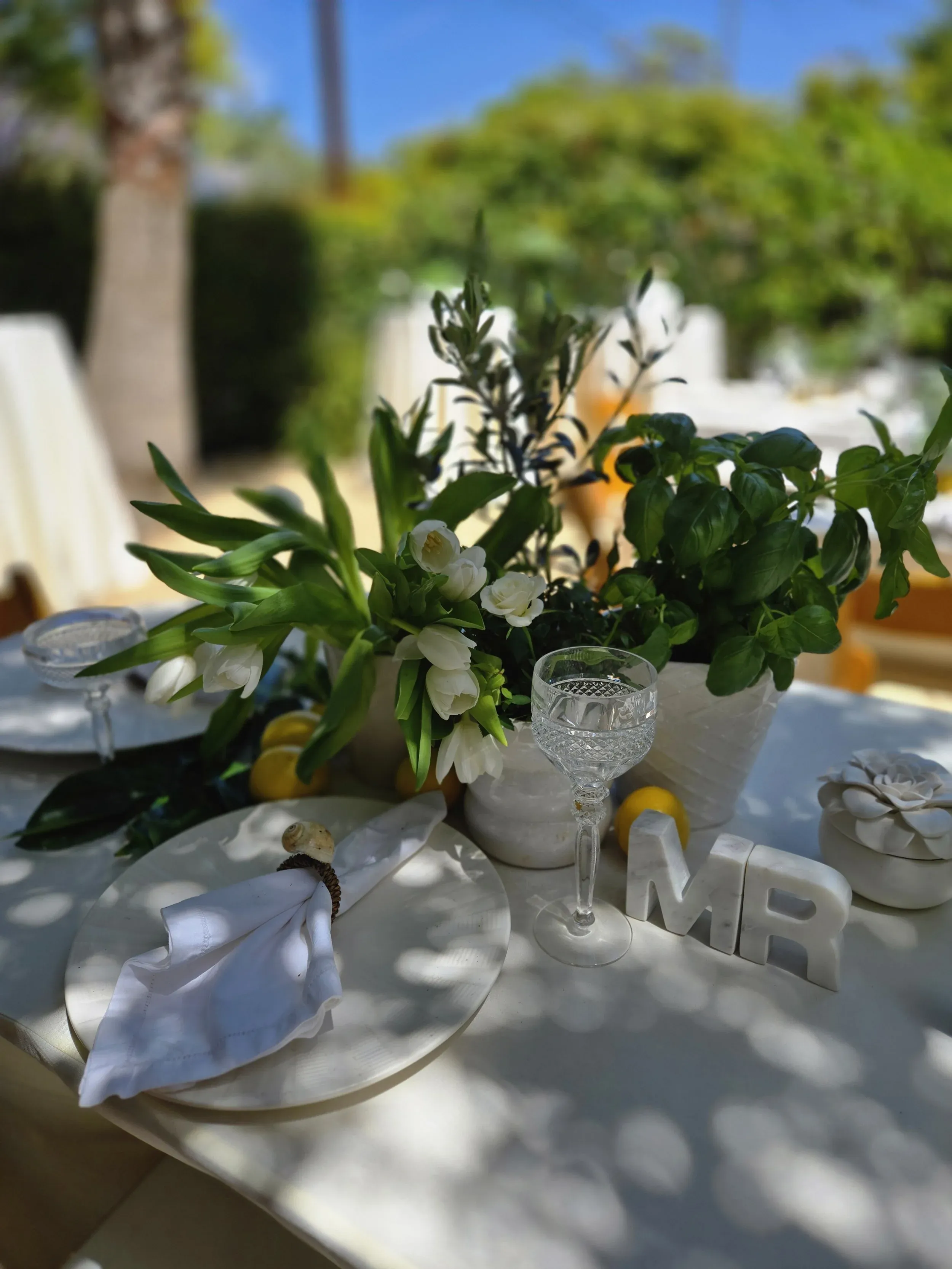
Plan the table from the guest's point of view. Leave enough room for comfortable chairs, serving, and a drink beside each place setting. Keep flowers low enough for people to see across the table. Think through the sunlight, temperature, and sound at the actual time you plan to sit down. These are the small practical decisions that make dinner feel effortless once it begins.
You do not need to decorate every surface. Choose one visual throughline, such as seasonal flowers, colored glassware, linen napkins, fruit, or candlelight, and let it repeat quietly. A few well-chosen materials look more generous than many unrelated details competing for attention.
4. Choose a meal that encourages people to stay
There is no required menu for a small wedding reception. A plated dinner can feel elegant and unhurried. Family-style dishes make passing and conversation part of the meal. A lunch reception can feel light and celebratory after a morning ceremony. A cocktail-forward evening with substantial bites can work beautifully when your group would rather circulate than sit for several courses.
The right choice is less about formality and more about rhythm. Ask whether the food gives you enough time at the table, whether guests will be comfortable with the service style, and whether your caterer has a clear place to work. A reception feels more generous when no one is waiting hungry while photos run long or trying to balance a plate without a place to sit.
Decide early how the meal begins and ends. A passed appetizer period needs enough food to carry guests through photographs. A seated dinner needs a clear moment when people are invited to find their places. Dessert can be one shared finale or a quieter course that lets conversation continue. These decisions make the caterer's plan more useful and keep the reception from feeling as though it pauses every time food appears.
When you are choosing the rest of the wedding around the reception, the Journal's small wedding planning guide can help you set priorities, choose a guest count, and build a day with breathing room.
5. Let toasts feel like part of the conversation
Small receptions are one of the few times when toasts can truly feel intimate. Instead of scheduling a long program, invite two or three people to speak briefly over dinner, or leave room for an open toast after dessert. Tell anyone speaking what kind of moment you hope for, whether it is lighthearted, short, or more reflective, so no one feels surprised by the microphone.
You can also skip formal speeches and say a few words yourselves. Thank the people who traveled, name the friends and family members who helped, and share why having this particular group in one place matters to you. The room does not need a production to feel meaningful. It needs a reason for people to look around and feel glad they are there.
Keep the timing practical. Toast before the last plates are cleared, when everyone is still comfortable and attentive. If the group is especially small, the best version may be a few remarks at the table rather than a formal announcement.
6. Build in one pause for the two of you
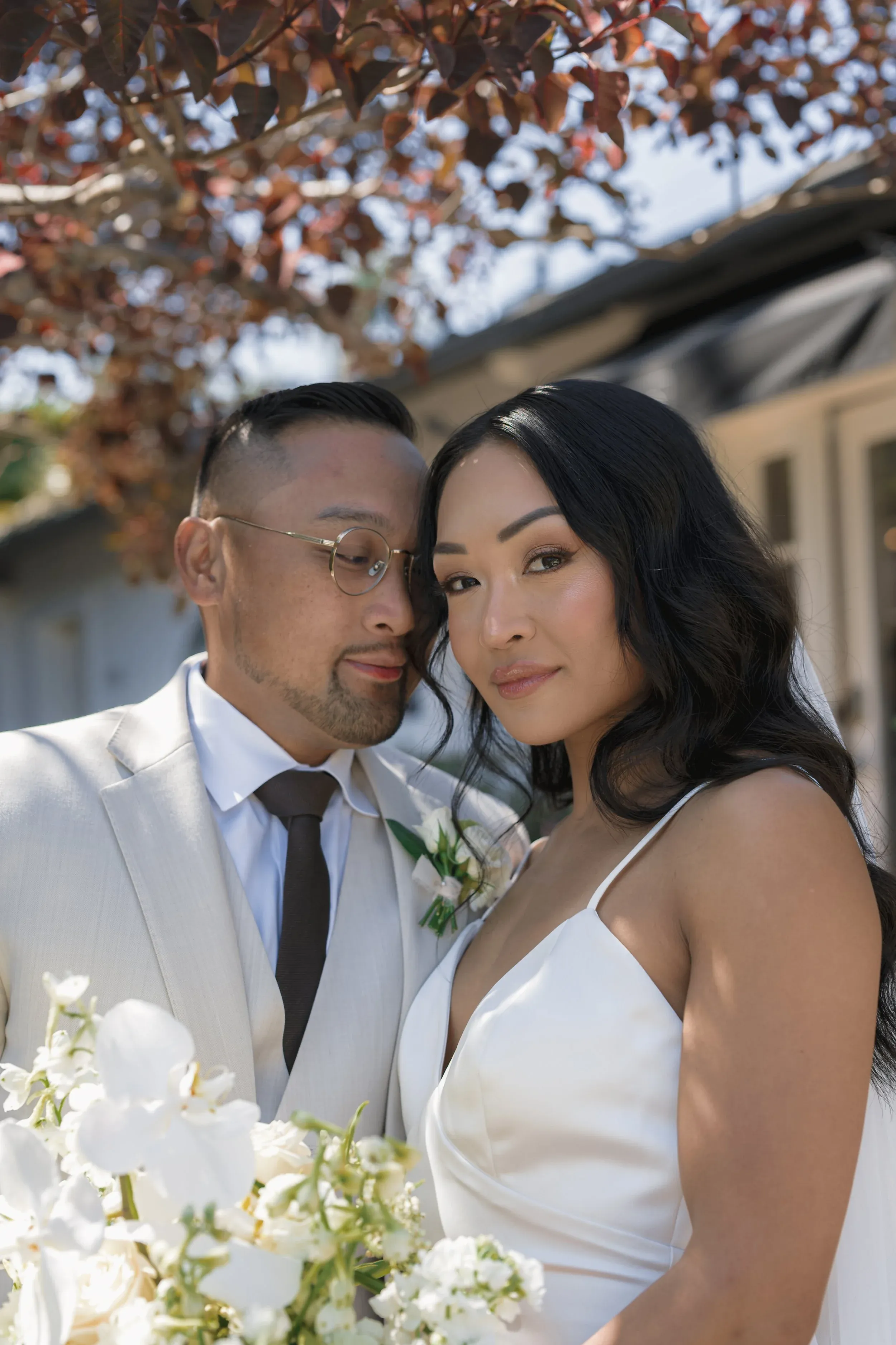
The reception should not be the part of the day you only remember through photographs. Pick one point when the two of you can step away for ten minutes. It might be just after the ceremony, while guests enjoy cocktails. It might be at sunset, before dinner. It might be after dessert, when the energy has softened and the people you love are still around you.
Tell your photographer and coordinator about that pause in advance, then protect it. Small weddings make this easier because your guests are not spread across a large venue or waiting for a tightly scheduled production to resume. A little space lets you absorb the day rather than simply move through it.
7. Use a simple reception timeline
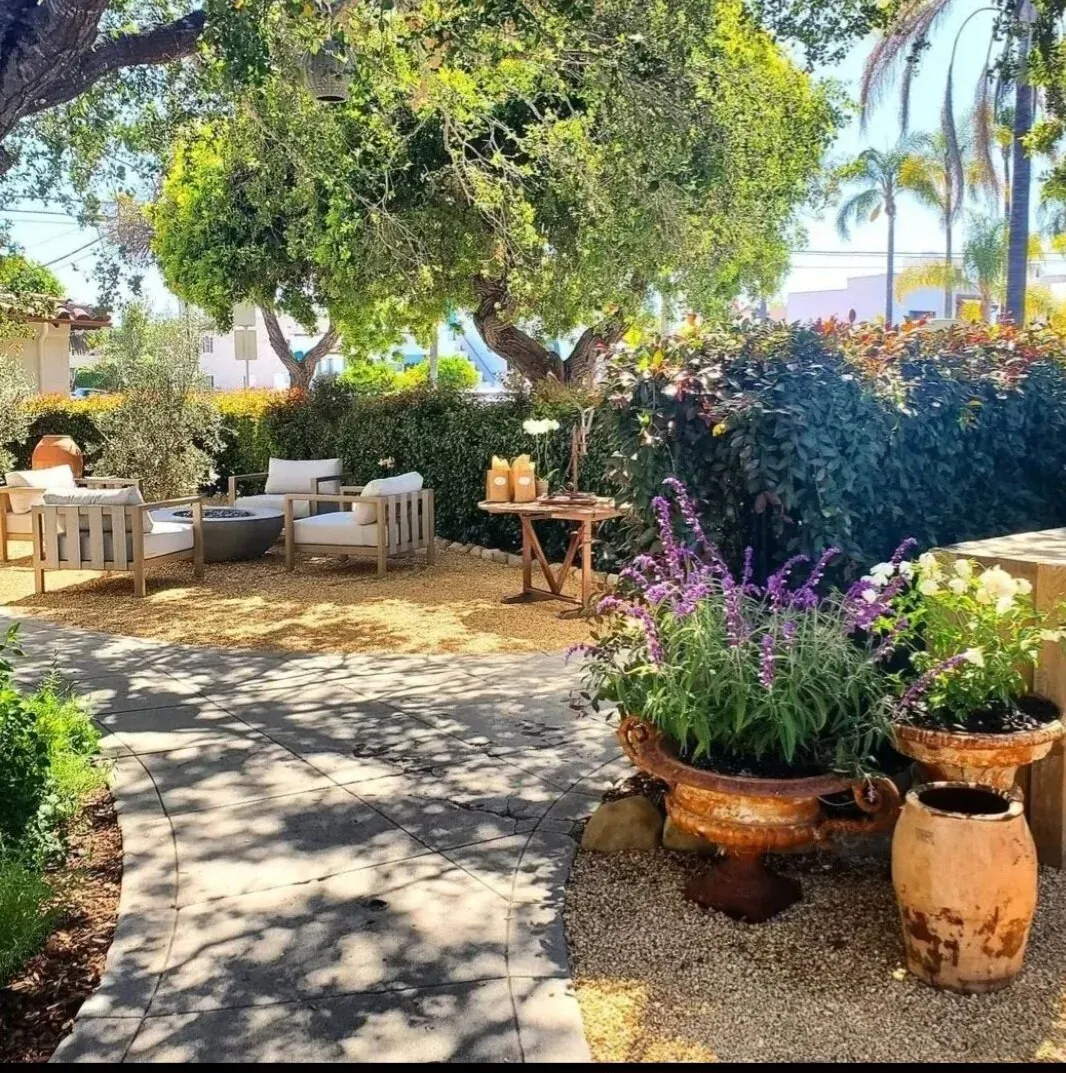
A small reception does not need minute-by-minute choreography, but it does need enough structure that guests know where to go and vendors know what is happening next. Start with the one part that cannot move, such as a courthouse appointment, ceremony time, sunset, or dinner reservation. Then work outward with generous transitions.
A late-afternoon format might look like this: guests arrive and settle in, the ceremony begins, cocktails and photographs follow, everyone sits down for dinner, a few toasts happen between courses or after dessert, and the evening ends with cake, coffee, music, or one final drink. A daytime reception can follow the same rhythm with lunch in place of dinner.
Give the arrival after the ceremony more time than you think you need, especially if guests are traveling from another location. Keep cocktails long enough for photographs but not so long that dinner feels delayed. If you are planning a courthouse ceremony in Santa Barbara, the courthouse reception guide has more ideas for turning a short ceremony into a full day together.
8. End the reception with intention
Small weddings do not need a big exit to feel finished. A final toast, a favorite song, a slice of cake served late in the evening, or a quiet thank-you at the door can give the reception a satisfying close. Choose one ending that sounds like you, then leave enough time for guests to say goodbye without feeling pushed out.
Think about the final hour from the guest's point of view. Older relatives may be ready to leave before a late-night moment. Friends may want a little more time to talk. A simple closing gesture lets both happen. The goal is not to keep the reception going as long as possible. It is to let it finish while it still feels full.
Frequently asked questions
What do you do at a small wedding reception?
A small wedding reception can be as simple as welcoming guests, sharing a meal, making a few toasts, cutting a cake, and leaving time for real conversation. The best format is one that gives the couple and their guests enough time to be together.
How can I make a small wedding reception feel special?
Choose a setting that suits the actual guest count, then invest in the moments people experience closely: a warm arrival, comfortable seating, a generous meal, meaningful toasts, and one or two personal details that invite guests into the celebration.
Do you need a dance floor for a small wedding reception?
No. A dance floor is optional. A small reception can feel complete with cocktails, dinner, dessert, music, and an easy final toast. Choose the parts that fit your group instead of trying to reproduce every large-wedding tradition.
How long should a small wedding reception be?
Many small receptions feel comfortable in three to five hours, depending on whether you are serving a meal and how much time you want for photographs, cocktails, and conversation. Start with the meal or gathering you want to host, then give each transition more time than you think it needs.
When you are ready to talk through a date, guest count, and reception format, send an inquiry to Islay Gardens.