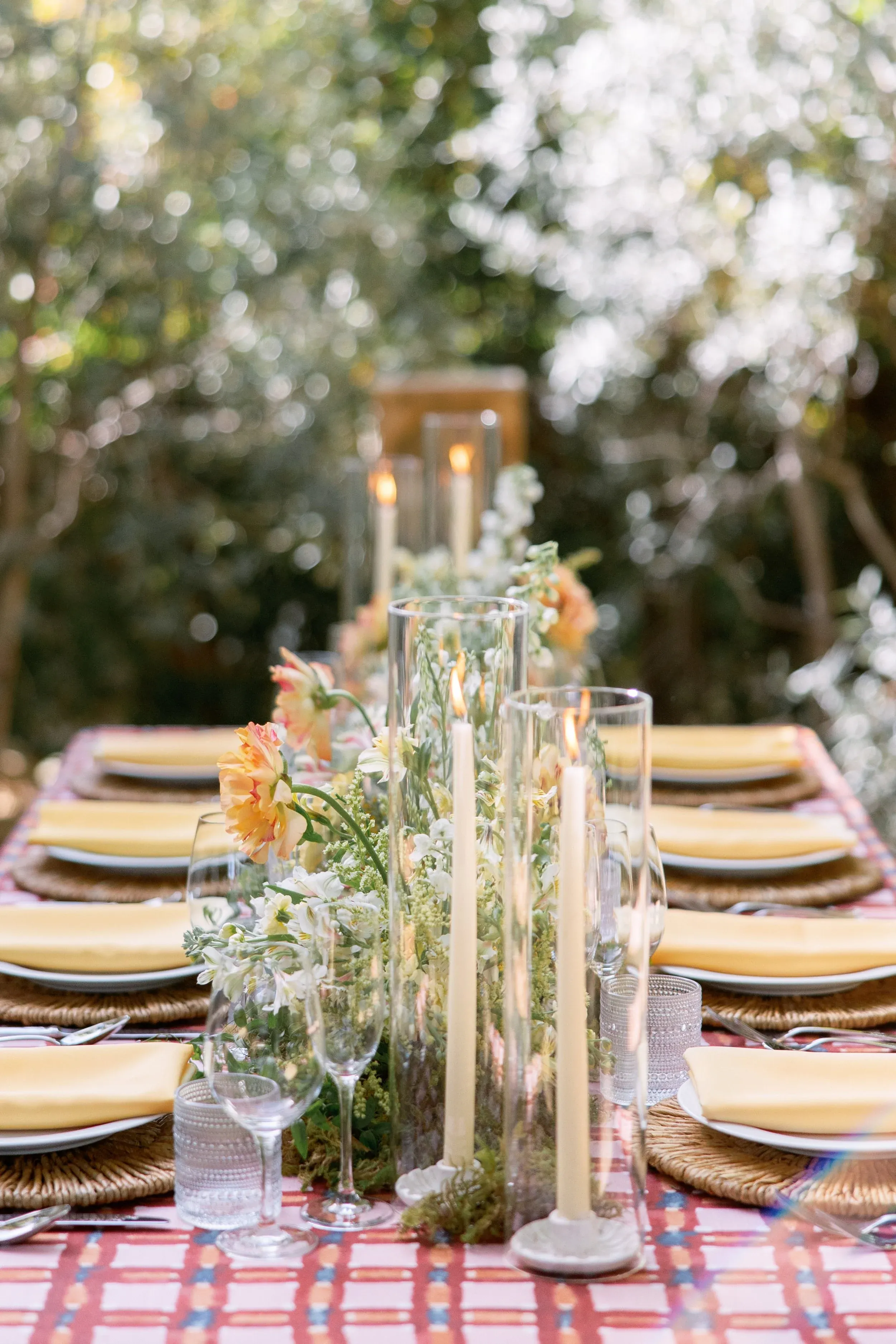
A micro wedding guest count is less about finding the right label and more about deciding how you want to spend the day. With a smaller group, you can actually hear every toast, share a real meal, and have enough time for the conversations that can disappear at a larger reception. The number should support that feeling, not become another rule to satisfy.
There is no official threshold for a micro wedding. The Knot describes micro weddings as typically 50 guests or fewer, while many venues use a smaller number for a specific package. Both can be true. The useful boundary is the one that suits your people, your budget, and the kind of gathering you want to host.
Start with the experience, not the number
Before opening a spreadsheet, picture the part of the day you care about most. Do you imagine one long dinner where everyone can talk across the table? A short ceremony with a few family members, then champagne and cake? A lively cocktail-style reception where friends can move and mingle? Each version creates a different comfortable guest count.
A list of 12 may make room for a deeply personal ceremony and a restaurant-style meal. Around 20 to 30 can still feel intimate while including immediate family and a close circle of friends. A group closer to 50 may be a wonderful small wedding, especially when you want both families and a wider group of longtime friends. None of those numbers is more authentic than another. What changes is the rhythm of the day and the amount of individual time you can share.
It also helps to separate the guest count from the idea of an elopement. If you are weighing the two, our elopement versus intimate wedding guide can help you decide whether you want a private legal moment, a small hosted celebration, or a combination of both.

Set a ceiling before you start inviting
A guest-count ceiling gives every later decision a fair frame. Choose the largest number that still fits the experience, venue, and spending plan you both want. Do not make it a vague hope that the list will somehow shrink. Make it a decision you can use.
Begin with the capacity that feels good for your gathering. If you want a seated meal, count everyone who needs a chair, including yourselves if the venue does. If you are planning a cocktail-forward celebration, think about seating, shade, service, and room to circulate rather than only the maximum number that can physically fit. Ask your venue how it defines capacity, then leave a little room for the real flow of people.
Next, test the ceiling against the parts of the day that cost or change with each person: catering, rentals, invitations, transportation, welcome drinks, and the time needed for greetings and photographs. A small wedding can absolutely be beautifully detailed, but a smaller guest list does not remove planning. It gives you more control over where your attention and resources go. Our micro wedding checklist is useful for turning that early decision into the rest of a plan.
Build your list in clear circles
Trying to create one final list in a single sitting tends to make every name feel equally urgent. A better approach is to build in circles, then stop when you reach your ceiling. This makes the hard part visible without asking you to compare every relationship against every other one.
Circle one: the people who are part of your daily life
Start with the people you cannot imagine getting married without: immediate family, chosen family, and the friends who have been present in your life as a couple. There is no universal definition of immediate family, so make yours together. The point is to begin with belonging, not obligation.
Circle two: the relationships you actively share
Add the relatives and friends who remain meaningfully woven into your lives. Think of the people you call, see, travel with, or turn to when something important happens. This is often where a guest list becomes most personal, and where an honest conversation between the two of you matters most.
Circle three: the people you would love to include if space allows
These names are not less valued. They are simply the people who fit after the core group. If the list is already at your ceiling, you have your answer without needing to stretch the celebration past what you wanted. A later meal, an informal gathering, or a thoughtful announcement can still honour relationships that are not part of the wedding day.
Agree on the rules before you apply them
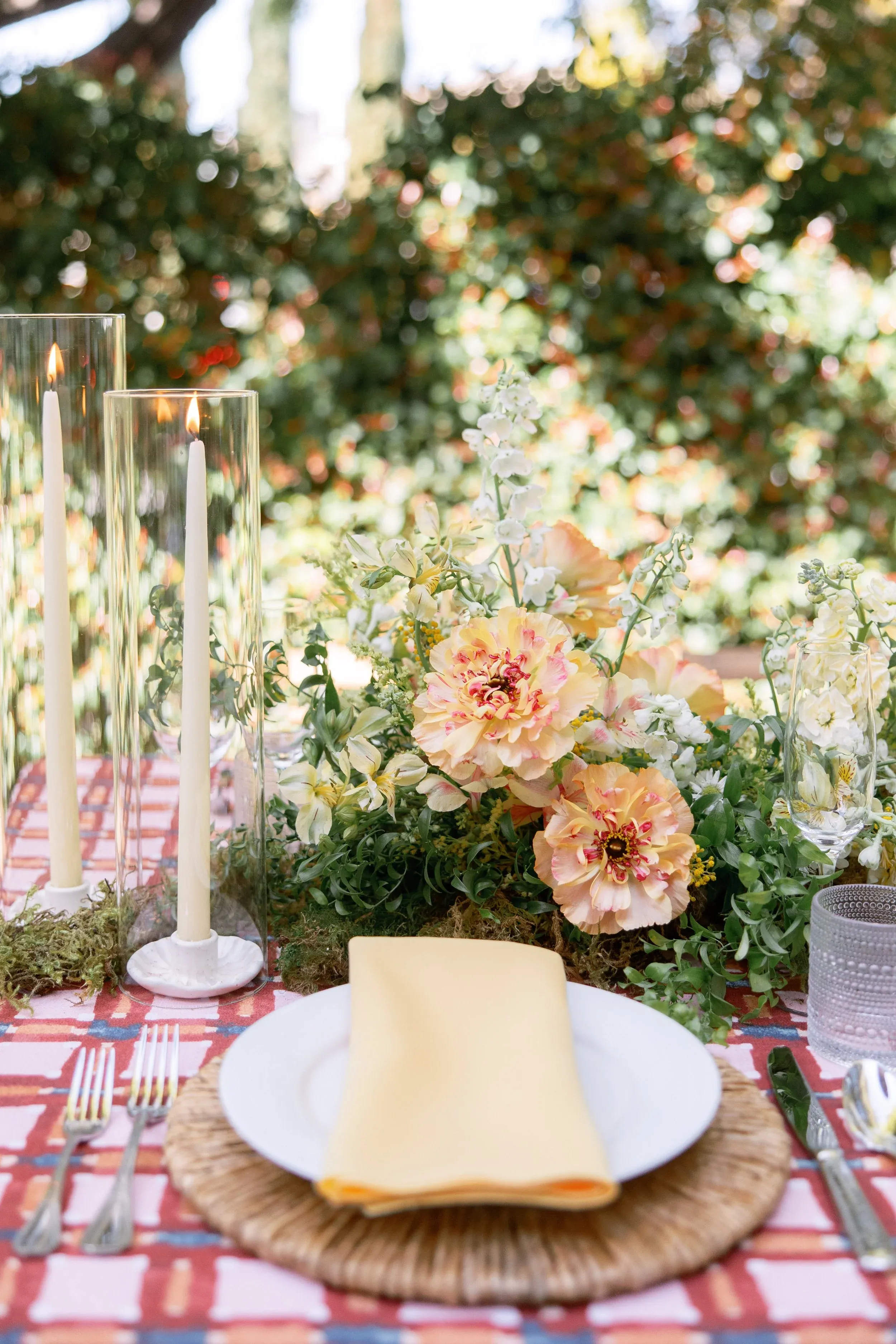
Guest-list tension usually comes from exceptions, not from the number itself. Set a few clear rules before you begin inviting, then hold them together. The goal is not to make the list feel clinical. It is to keep both of you from having to renegotiate every name under family pressure.
Talk through plus-ones first. You may choose to invite spouses, long-term partners, or any guest who would otherwise arrive without knowing someone. You may decide that a very small meal works best with named guests only. Either choice can be gracious when it is applied consistently.
Then decide how you will handle children. Some couples want children at the centre of the day. Others want an adults-only dinner or make an exception only for immediate family. Be direct, kind, and specific on the invitation. If you are hosting a multi-part wedding weekend, you can also make different choices for different events.
Finally, make space for both sides of the family. It does not have to be perfectly even, especially if families are different sizes, but it should feel mutually considered. If one partner has a larger immediate family, agree on that reality before you begin working through friends. A shared rule is much easier to explain than a last-minute negotiation.
Handle the conversations with care
Someone may ask about the wedding before you have sent invitations, especially when the celebration is local or family members are involved. You do not need to defend the number. A short, warm answer is enough: you are keeping the wedding very small and making decisions around a limited guest count. You can say you hope to celebrate in another way later if that is genuinely your plan, but do not offer a future gathering just to soften an uncomfortable moment.
Keep the explanation about the format, not the person. Saying that you are hosting an intimate group makes the boundary clear without ranking relationships. The people who care about you may still feel disappointed, and that is human. Clear, consistent choices are kinder than making exceptions that leave everyone wondering why the line moved for someone else.
If you want more people to feel included, consider a separate low-pressure way to share the news: a favourite photo afterward, a brief toast at a later family meal, or a casual gathering when the wedding week has passed. It does not need to repeat the wedding. It can simply give more people a way to celebrate your marriage with you.
Use the guest count to choose the right format
Once you have a working number, let it shape the celebration rather than trying to copy a larger wedding at a smaller scale. A group of 15 may feel best around one table, with a ceremony that naturally becomes dinner. A group of 30 might want a welcome drink, photographs, and a family-style meal. A group near 50 may need a clearer ceremony, cocktail, and reception flow so everyone stays comfortable and connected.
That is why the guest list should be in place before serious venue conversations. It helps you compare spaces based on the actual experience you want, not only a headline capacity. If you are planning a ceremony and reception in one setting, our micro wedding timeline shows how to give arrival, photographs, cocktails, dinner, and the unplanned moments enough room.
It can also guide the traditions you keep. A small group may make a welcome toast, shared meal, stories, or one favourite song feel more meaningful than a long schedule of formal moments. For ideas that bring guests together without overfilling the day, see our micro wedding entertainment ideas.
Count the people who affect the plan
Your invitation total is not always the same as your working event count. Confirm how your venue and caterer count the couple, children, photographer, planner, officiant, musicians, and vendor meals. Not everyone needs a guest chair, but staff do need a practical plan for access, meals, parking, and movement through the day.
Build in a small cushion rather than planning exactly to the venue's maximum. A little flexibility protects the comfort of the people who are there. It also makes it easier to say yes when a guest needs a partner, a family member has a new baby, or an important relationship changes between sending invitations and final numbers.
Once invitations go out, keep a single live count with names, responses, meal needs, and any accessibility considerations. You do not need an elaborate system. You need one reliable place where both of you can see the current number and avoid two different versions of the list.
Let the setting support the gathering
At Islay Gardens, intimate celebrations can be shaped around the guest experience rather than a fixed package. The private outdoor setting has two garden areas, shaded seating, porch access, restrooms, streaming music, and separate space for catering. It can host up to 50 guests for a seated wedding dinner and up to 70 for a standing cocktail reception, with smaller reservations available for more intimate plans.
That range gives couples a meaningful choice. A short guest list can become a long, personal meal. A wider list can still feel close when the flow moves naturally from vows to cocktails to dinner. Explore the small wedding venue details, then review current reservation options and rates when you are ready to match your guest count to a date and format.
Frequently asked questions
How many guests is a micro wedding?
There is no fixed definition. Many wedding resources use 50 guests or fewer as a useful upper boundary, while some couples use the term for a much smaller gathering. The more useful question is whether your guest list allows you to create the shared experience you want.
Do the couple count in the micro wedding guest count?
It depends on the venue and vendor contract. Ask each supplier whether their capacity and minimums include the couple, children, vendors, or only seated guests. Keep one working number for invitations and a separate operational count for the people and staff who need space, food, or seating.
How do you keep a micro wedding guest list fair?
Set your rules before you begin, then apply them consistently. Decide together how you will handle immediate family, plus-ones, children, wedding-party partners, and extended family. A clear shared rule is kinder and easier to maintain than deciding guest by guest under pressure.
Can a micro wedding still feel like a full wedding?
Yes. A smaller guest count can still include a ceremony, photographs, a beautiful meal, music, toasts, and the traditions that matter to you. The difference is that you can give each part of the day more attention and spend more time with the people there.
When you have a working guest count and a date in mind, send an inquiry to Islay Gardens.