The best intimate wedding ideas make a smaller guest list feel more personal, not less complete. These eight ideas help you create a day with enough time for the people who came, a meal worth sharing, and a few meaningful choices that feel unmistakably like yours.
Start with the experience you want to share: a quiet ceremony, a garden dinner, a courthouse appointment followed by champagne, or a long afternoon with family. The ideas below turn that feeling into practical decisions, without adding a long list of things to manage.
1. Let the guest list shape the whole day
An intimate wedding begins with the people, not a target number. Make the first list with the people whose absence would genuinely change the day. Then picture the gathering at that size. Can you greet every guest after the ceremony? Can everyone share one meal or move easily between a drink, a shaded seat, and a conversation?
This is where a smaller group becomes an advantage. Instead of planning how to fill a large room, you can choose a setting that feels comfortable at your actual headcount. A guest list of twelve may call for one long table and a relaxed lunch. A guest list of forty may still feel close when everyone has a clear place to arrive, sit down, and spend time together.
Before you choose a format, make a second pass through the names together. The goal is not to prove that the celebration is small enough. The goal is to make a kind, clear decision about the people you want there. Once that is settled, the rest of the planning gets simpler because the menu, venue, and schedule have a real group to serve.
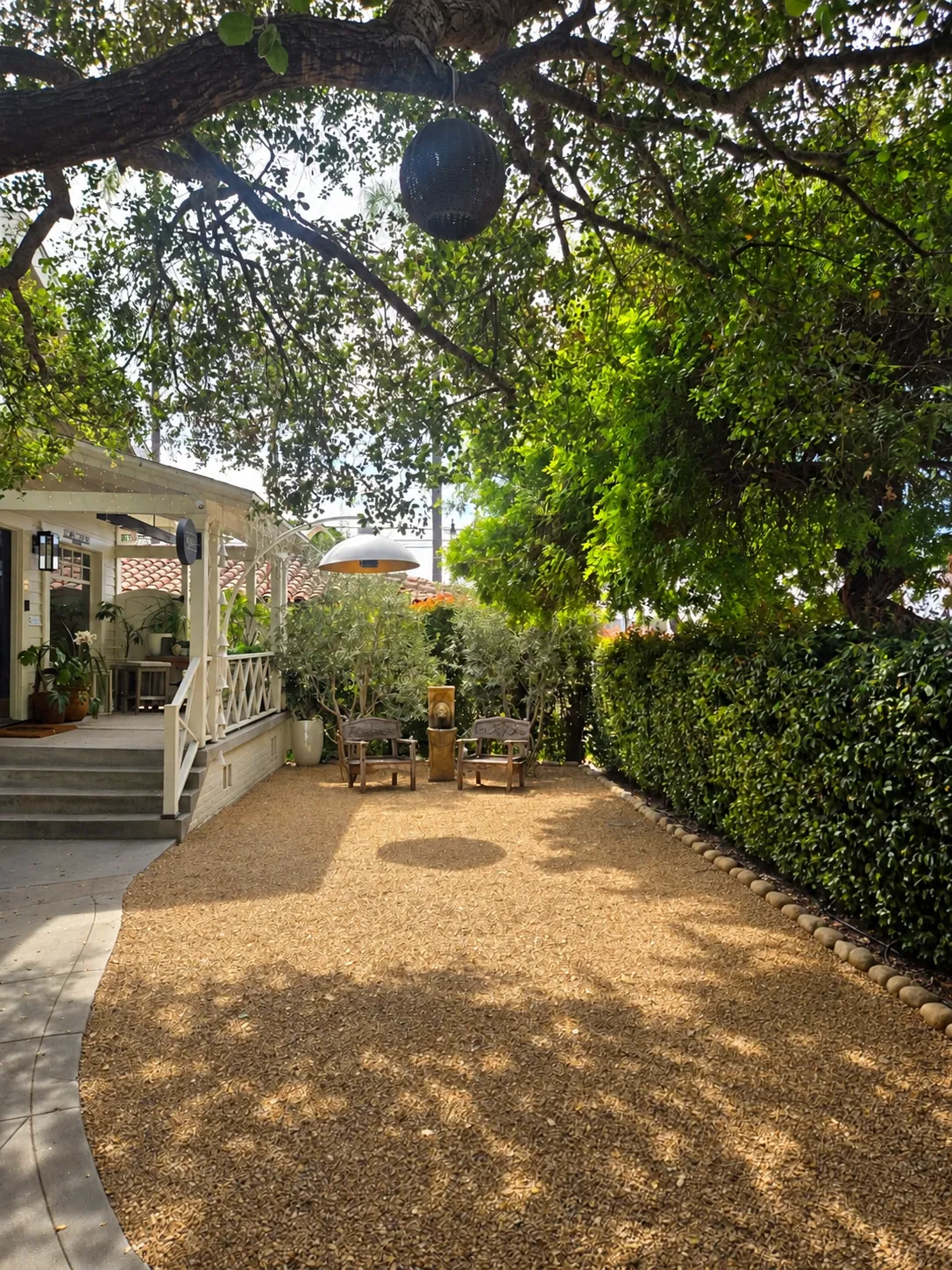
The small wedding venue details are a useful reference when you are comparing the space, guest count, and format you want.
2. Give the arrival one warm, easy gesture
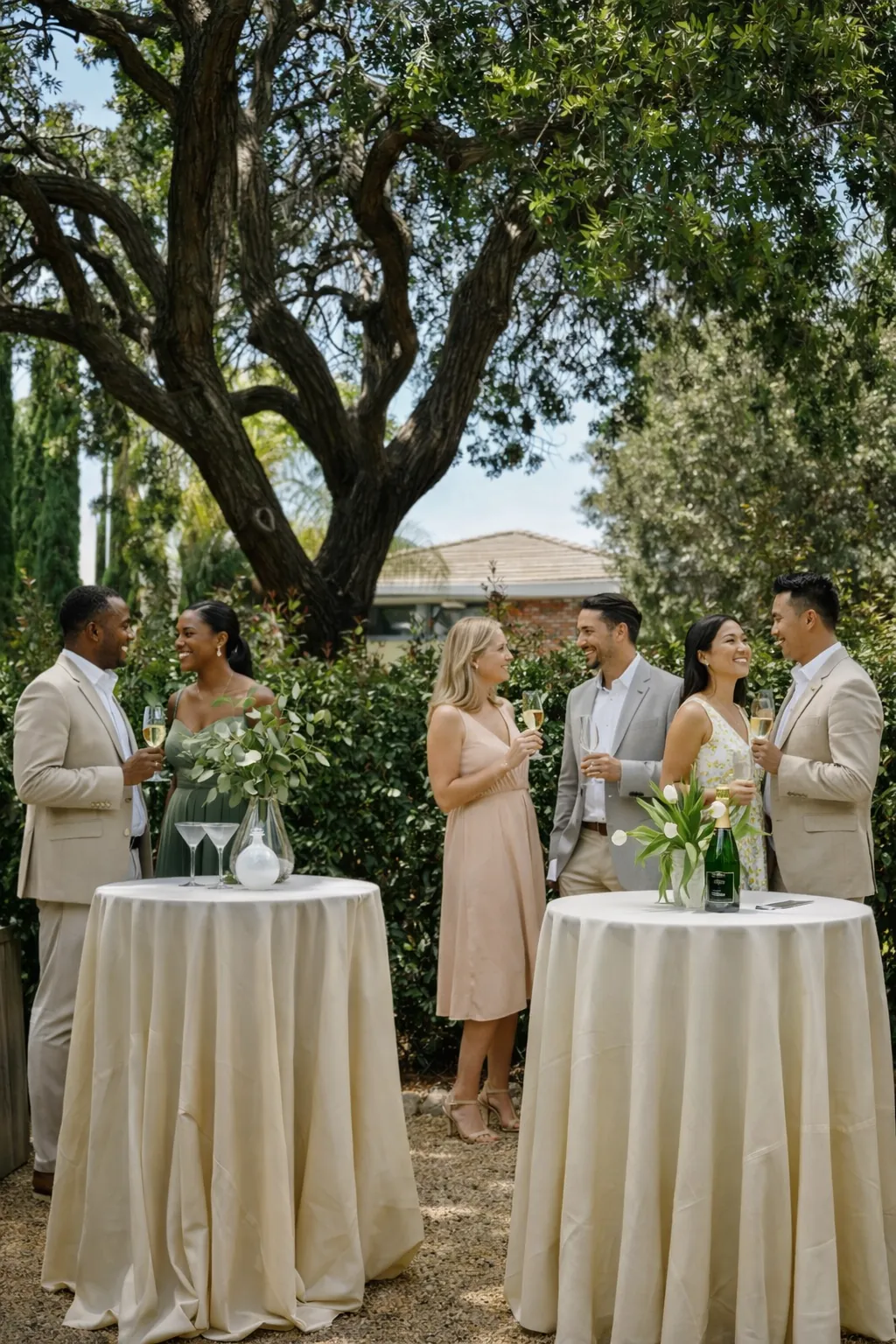
Guests remember how a celebration begins. A welcome drink, a tray of sparkling water, a favorite song, or a close friend greeting people at the entrance helps everyone settle in before the ceremony. It does not need to be elaborate. It just needs to make the first few minutes feel considered instead of uncertain.
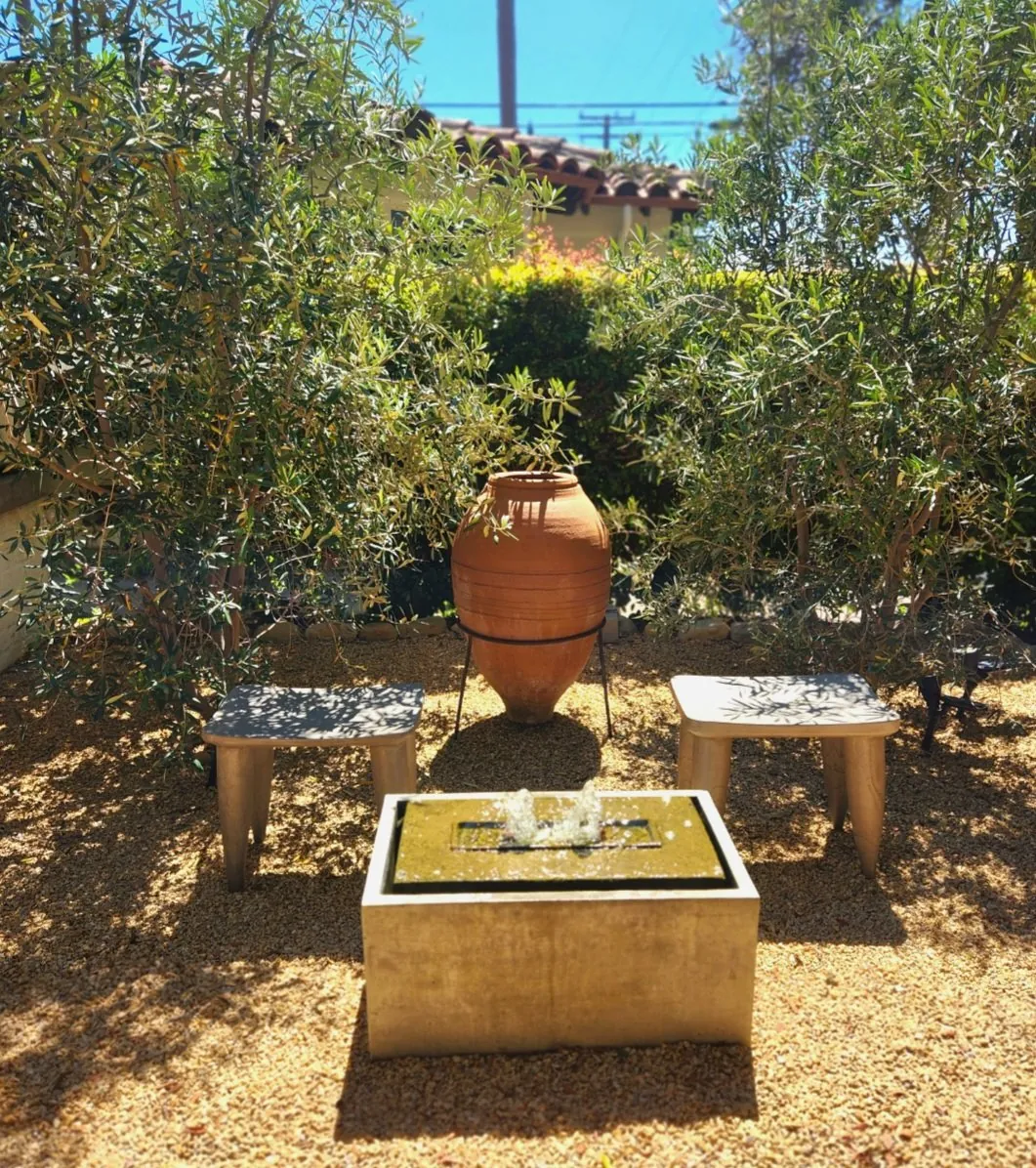
Keep the idea easy enough that it will still feel good on the day. For a warm Santa Barbara afternoon, that may mean citrus water and a place in the shade. For an evening gathering, it may be a simple cocktail and a little time to catch up before the vows. Offer a nonalcoholic option without making it an announcement, and make sure older guests have a comfortable place to sit.
The best arrival moment gives people something to do while they wait for the next part of the day. It also gives you a softer transition into the ceremony. Guests who have had a few minutes to greet one another will be more relaxed, and you will not feel pressure to rush directly from an entrance into the formal moment.

3. Make one part of the ceremony personal
A small ceremony has a natural closeness because every person present has a reason to be there. Use that to add one personal layer: ask a sibling to read, invite a friend to play a song, or choose a short passage that carries real meaning for the two of you. One thoughtful contribution is usually enough.
There is no need to turn the ceremony into a program. The point is to create a moment that feels shared, then leave space for the vows themselves. Think about the views from the guest seats, the music that helps everyone settle, and how you want to walk away together when the ceremony ends. Those decisions are more lasting than adding several formal roles.
Couples planning a local courthouse ceremony can review the Santa Barbara County marriage license information before they finalize the date, then keep their attention on the gathering they want to host afterward.

4. Let dinner become the center of the celebration
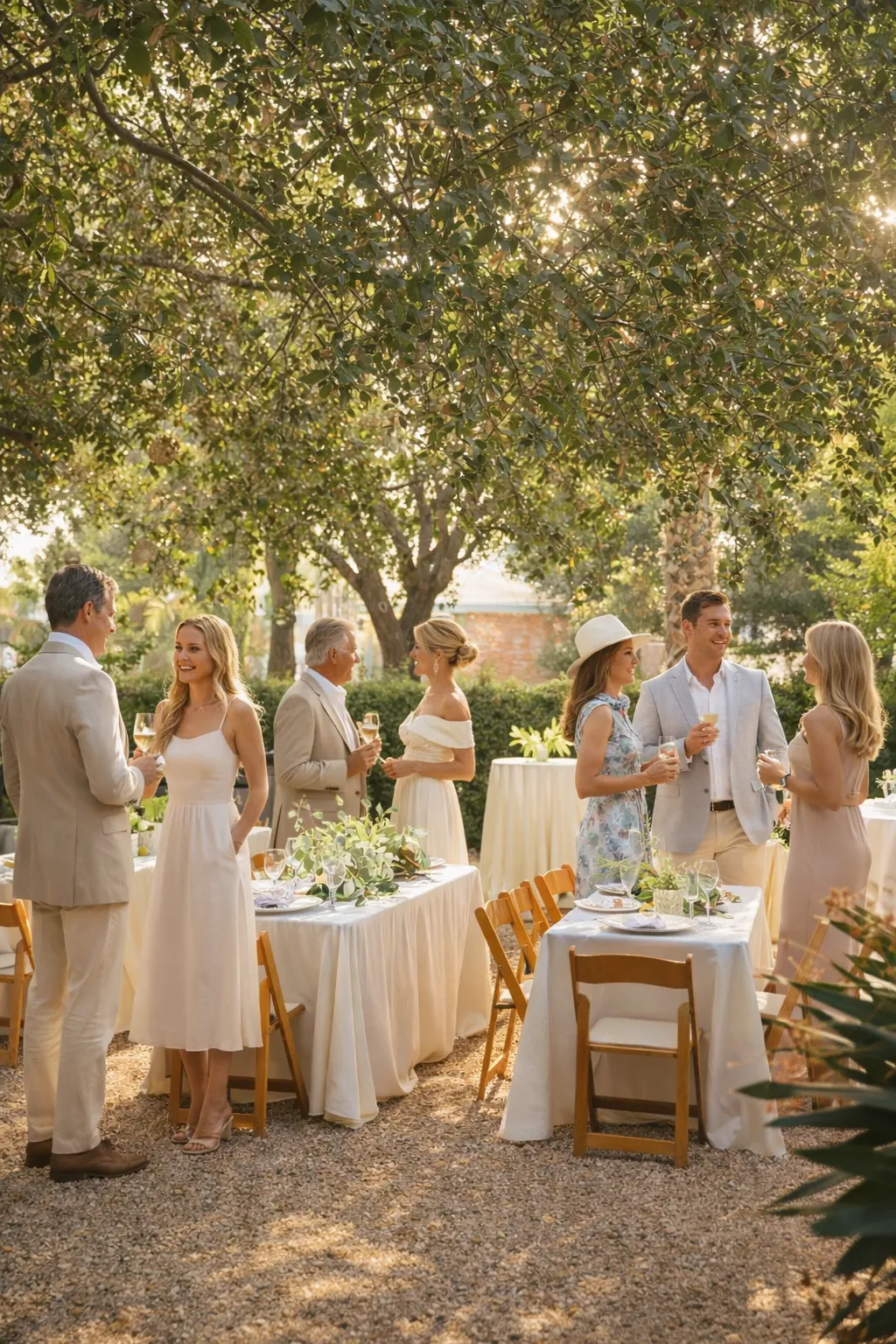
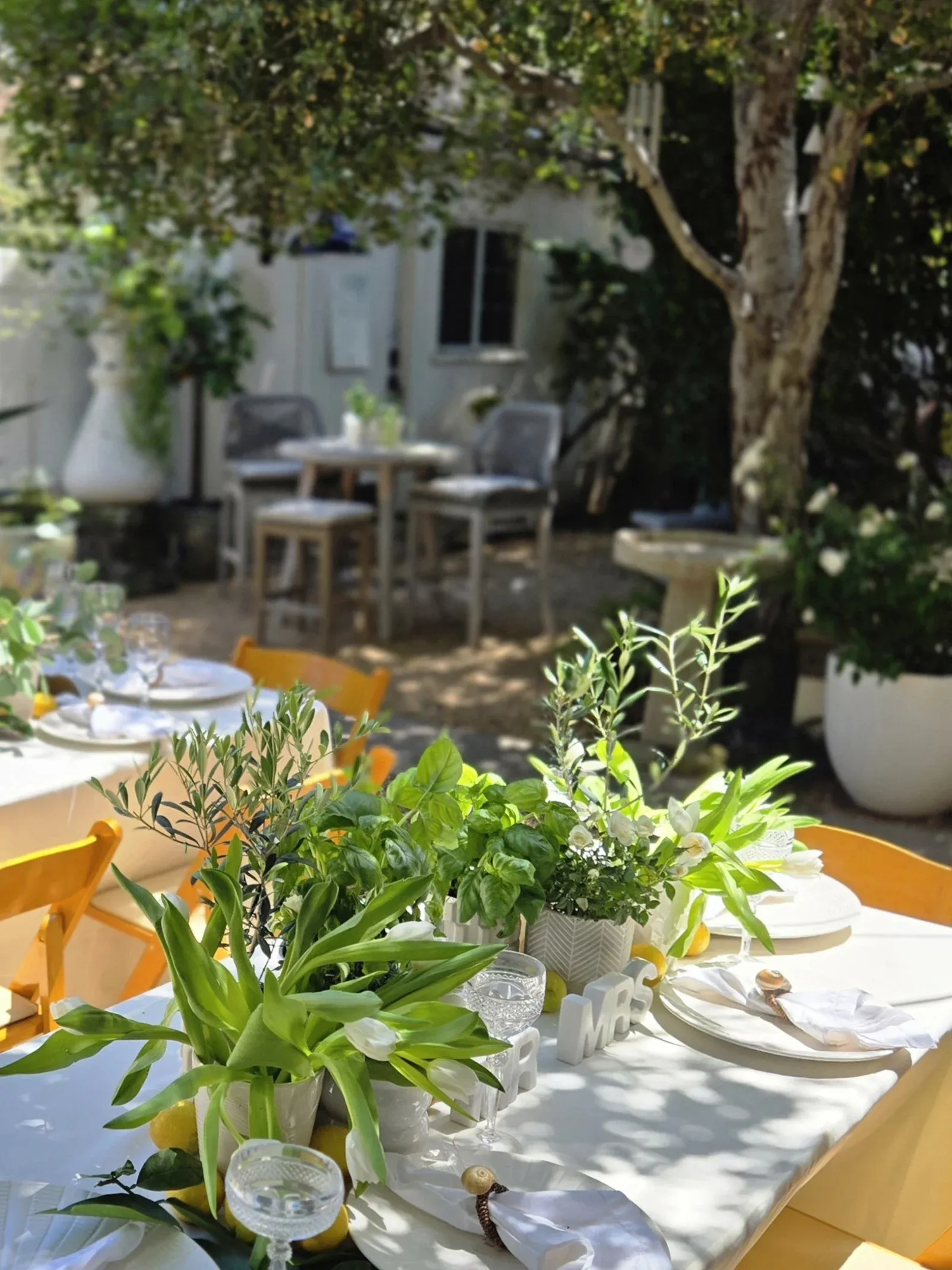
A single long table, or a few tables that still keep everyone connected, changes the feeling of an intimate reception. Guests can see one another, toasts happen naturally, and dinner becomes something people share rather than an interruption between scheduled events. It is a simple way to give the day a real center.
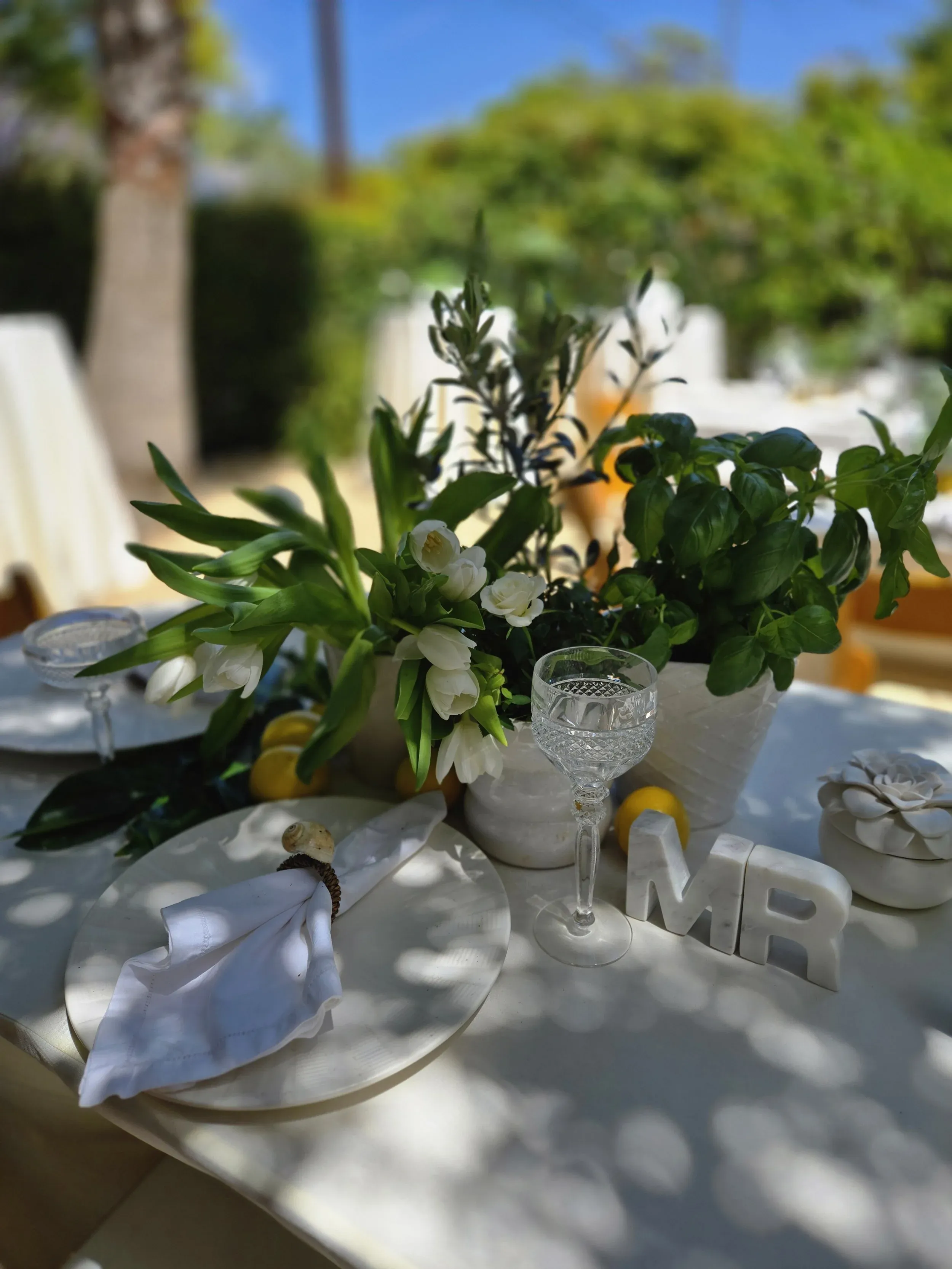
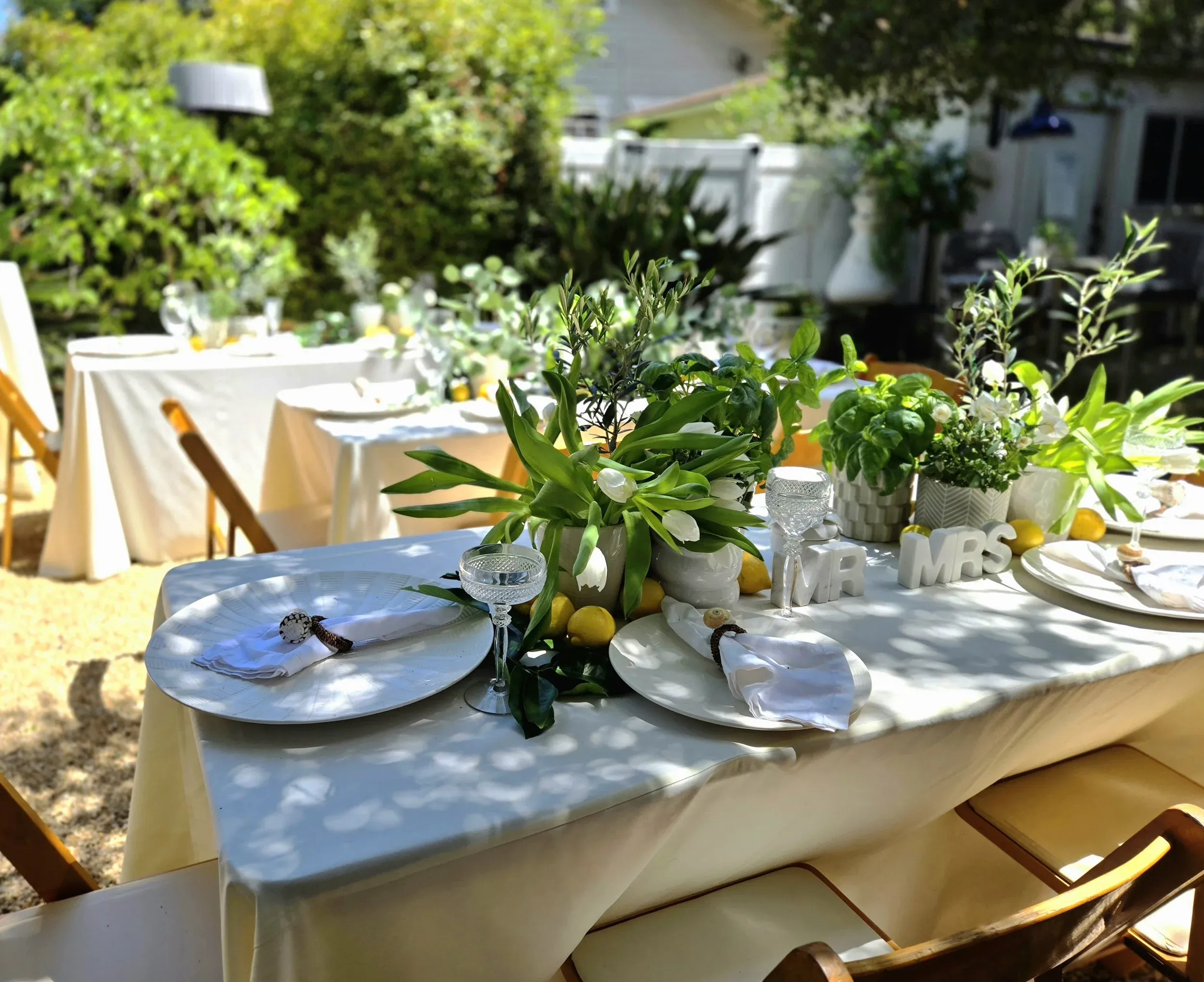
Start with comfort. Leave room for people to sit easily, talk across the table, and put down a drink. Keep flowers low enough for conversation, and think about shade, warmth, and music at the time you plan to eat. Then choose one visual idea that carries the table, such as seasonal flowers, linen, candlelight, or fruit.
It helps to decide what the table needs to do. A lunch after a courthouse ceremony may want bright light and plenty of time to linger. A dinner may need candles, heaters, and a clear plan for darkness. The details are not just decorative. They shape how long guests stay comfortable and how freely people can move through the meal.
The garden's preferred vendor list can help when you want a starting point for food, florals, rentals, or photography from people familiar with an outdoor event.
5. Choose food that keeps people at the table
For an intimate wedding, food can be more personal than formal. A long lunch, a family-style dinner, a favorite restaurant, or a menu based on something you both love can all feel right. The best format is the one that lets you sit down with your guests rather than spending the meal moving through obligations.
Think about the rhythm as well as the menu. A few substantial bites can carry the time after the ceremony. A plated meal gives the group a natural pause. Dessert can create a second wave of conversation. If you prefer a cocktail-forward gathering, make sure there is enough food and enough seating that guests do not feel like they are standing through dinner.
Build the meal around the kind of gathering you like to attend. If your favorite evenings are long dinners with everyone at one table, make that the plan. If you both prefer a lively afternoon of drinks and small plates, give guests a few distinct places to gather. The garden welcomes outside caterers and professional vendors, so the food can reflect your actual taste rather than a fixed package.
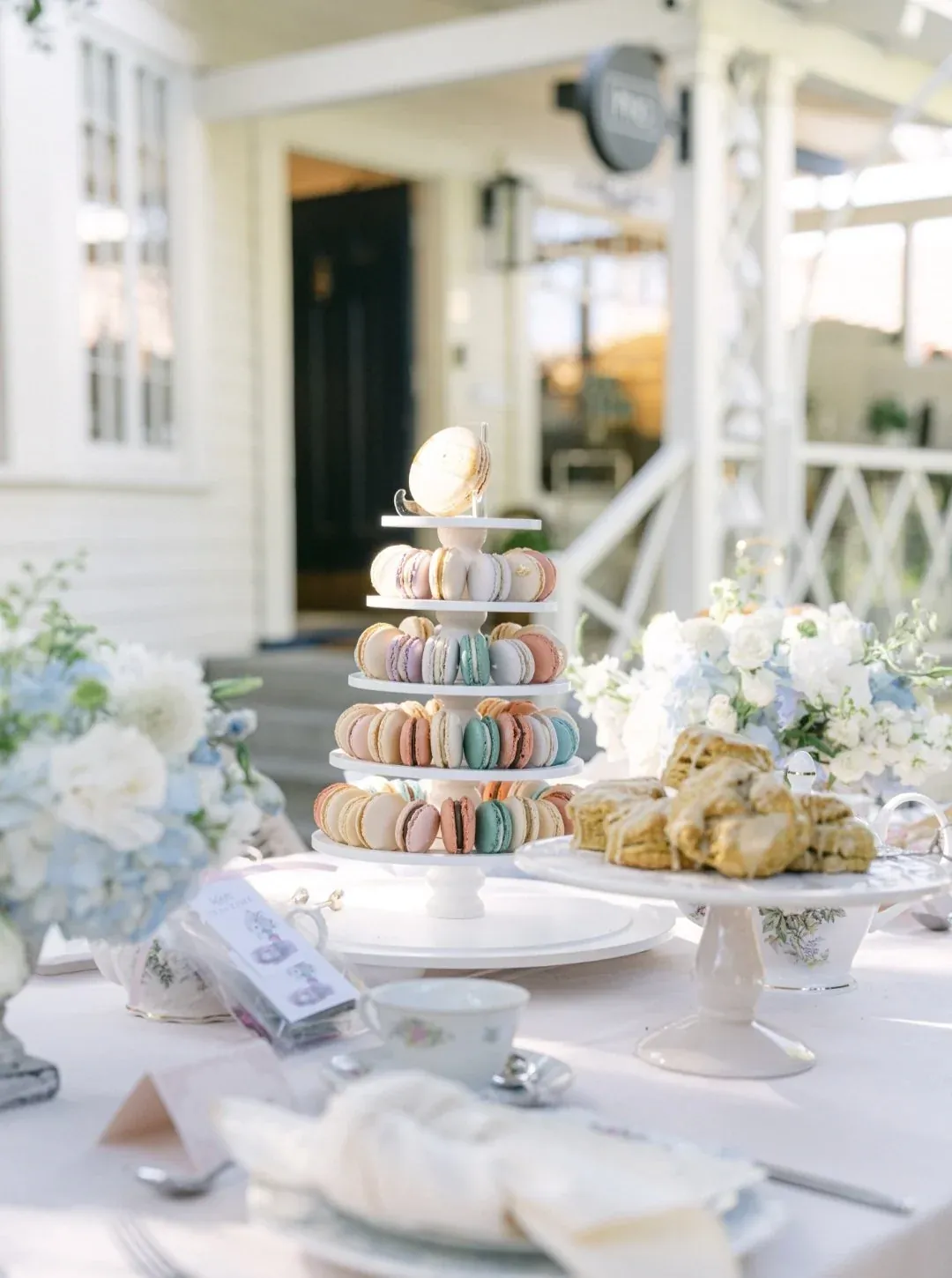
6. Turn the reception into a conversation
At a large wedding, toasts often become a formal part of the schedule. With a smaller group, they can feel more like a conversation. Ask two or three people to share a few words over dinner, invite everyone to offer a short toast after dessert, or simply speak together about why having this exact group present matters to you.
The key is to set a comfortable expectation. Let anyone speaking know whether you hope for something brief, heartfelt, or funny. Then let the rest of the evening breathe. A smaller celebration does not need entertainment in every gap. Guests will be happy to talk, revisit the food table, take a few photographs, or find a quieter corner while the two of you take a breath.
The Journal's small wedding reception ideas can help you decide which traditions are worth keeping and which ones your group can happily leave behind. For couples marrying downtown first, the courthouse reception guide shows how to make the celebration after the ceremony feel like a natural second chapter.
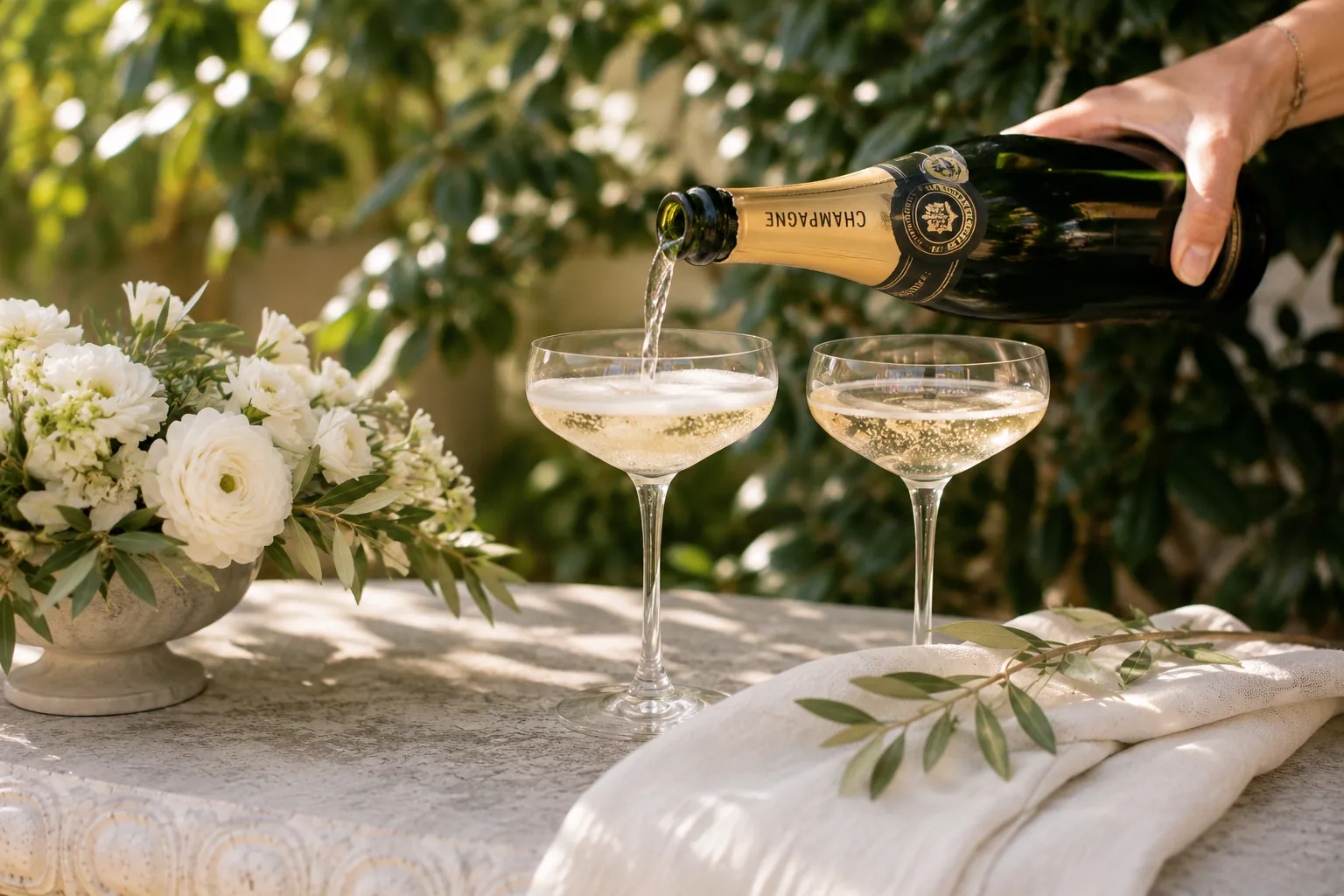
7. Plan one quiet pause for the two of you
Intimate weddings still move quickly. Build in a short pause after the ceremony, during cocktails, or before dinner, when you can step aside together. Ten quiet minutes can be enough to take a breath, make a few photographs, and notice the day before it rushes by.
That pause also helps the guest experience. People are happy to talk, find a drink, and enjoy the setting while you take a moment. You do not have to disappear for an hour. A short, protected break prevents the day from becoming one long receiving line and gives you a chance to return to the table feeling present.
Work backward from the part of the day that cannot move, whether that is a courthouse appointment, sunset, or the start of dinner. Leave more time than you think you need for travel, photographs, and greetings. The small wedding planning guide offers a simple way to shape the timeline around the parts you most want to protect.
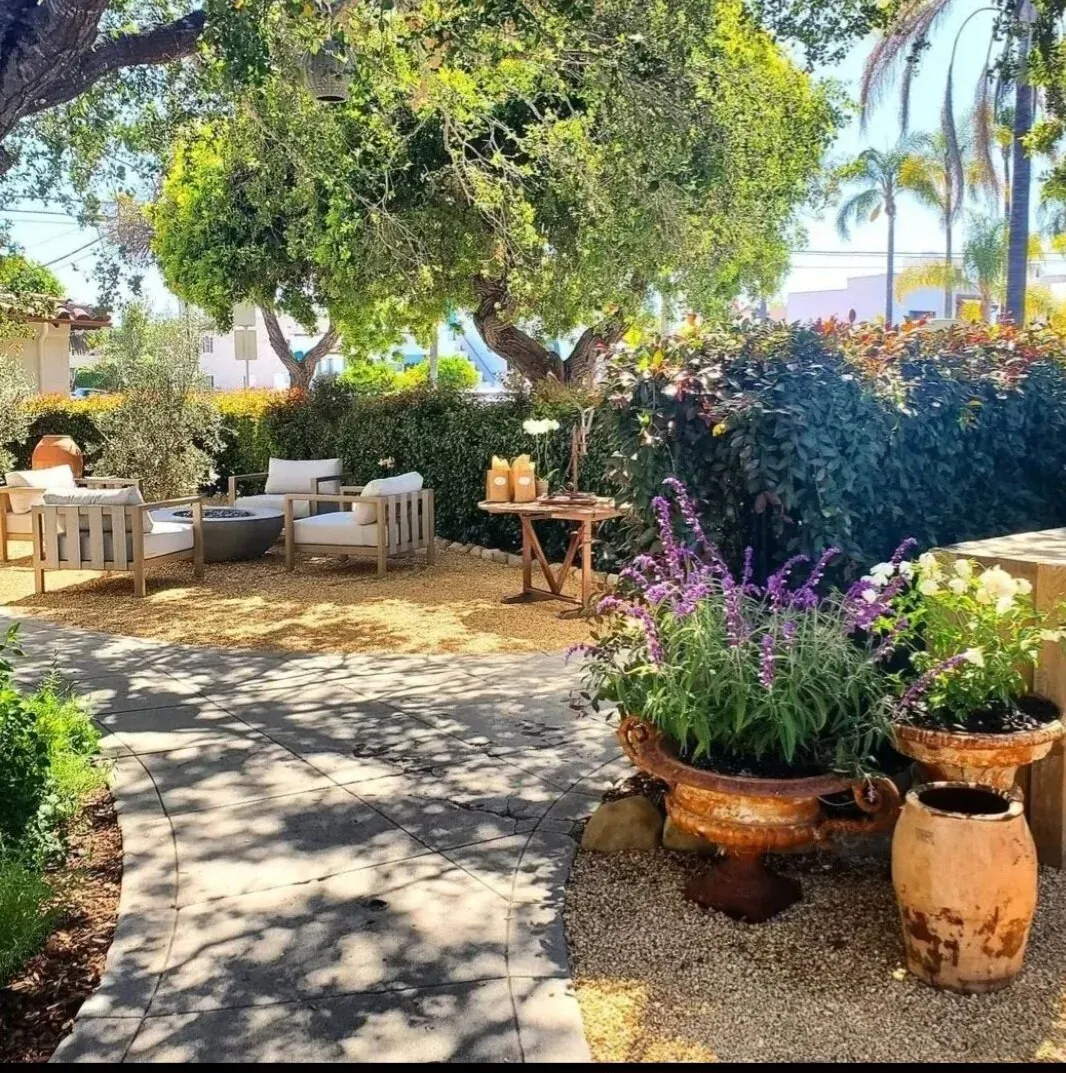
8. End on something that feels like you
The end of an intimate wedding does not need a grand exit. A final song, cake after dark, a last toast, or a slow goodbye at the gate can give the day a satisfying close. Pick one simple ritual that feels natural to you, then leave enough room for guests to say goodbye without feeling rushed.
Think about the ending from your guests' point of view. A daytime celebration may finish beautifully with dessert and hugs. An evening gathering may soften into one last drink beneath the trees. Either can feel complete because the ending matches the scale and spirit of the day. You are not trying to reproduce every tradition. You are choosing the final moment you want people to remember.
Before you add more to the schedule, ask whether the day already has what you need: people you love, a place that feels right, food that gives everyone time together, and one or two moments that are entirely yours. When the answer is yes, the plan is probably full enough.
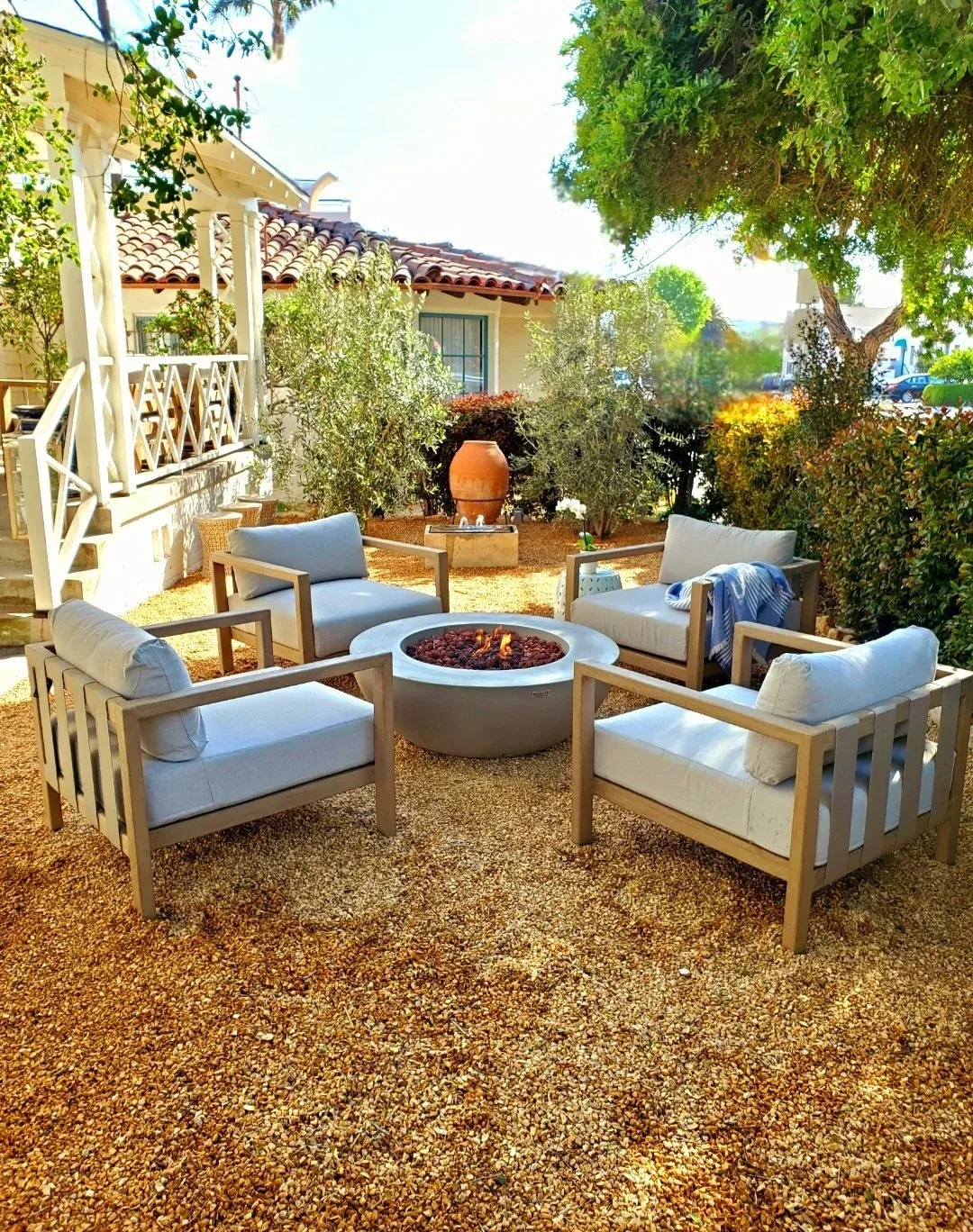
Frequently asked questions
What makes a wedding feel intimate?
An intimate wedding feels personal because the guest list, setting, and schedule leave room for genuine connection. Guests can settle in, share a meal, and spend time with the couple instead of moving through a packed program.
How do you make a small wedding feel special without overspending?
Choose a few parts of the day that people will experience closely, such as a welcoming arrival, comfortable seating, a meaningful ceremony, and a shared meal. A strong setting and thoughtful hospitality usually matter more than adding many separate decorations.
What is a good guest count for an intimate wedding?
There is no single number. Start with the people you would truly miss, then choose a setting where that group can comfortably share the ceremony, a meal, and time together.
Can an intimate wedding include a reception?
Yes. An intimate reception can be a long lunch, cocktails and cake, or dinner with a few toasts. The best format is the one that gives guests enough time to celebrate without making the day feel overplanned.
When you have a date and a guest count in mind, send an inquiry to Islay Gardens.