A micro wedding timeline should make a small day feel spacious, not compressed. A shorter guest list gives you fewer moving parts, but the people you invite still need time to arrive, greet one another, find their place, eat, and enjoy the reason they are all together. The best schedule protects those moments instead of treating them as gaps to fill.
Start with the shape of the day you want guests to remember. It might be vows followed by champagne and dinner beneath the trees. It might be a courthouse ceremony, portraits downtown, then a long late-afternoon meal. It might be a simple ceremony and a lively cocktail-style celebration. Once that picture is clear, the clock becomes much easier to build.
Begin with the moments that cannot move
Before assigning every half hour, mark the few parts of the day that are fixed. That may be a ceremony time, a courthouse appointment, a dinner service, sunset for portraits, or an end time at your venue. Those anchors create the frame. Everything else needs enough room to flow between them.
Then look at the day through your guests' eyes. How will they arrive? Where will they go while you take photographs? When will they have a drink or a seat? What signals the shift from cocktails to dinner? A small wedding does not need a complicated programme, but it does need answers to those questions. Guests relax when the next step feels obvious.
It helps to plan the transitions before the formal moments. The ceremony itself may take twenty minutes, while family hugs, group portraits, a change of location, and finding a drink can easily take longer than expected. Protecting that in-between time is what makes the day feel unhurried.

A sample micro wedding timeline for ceremony and dinner
This example is designed for an intimate outdoor wedding with the ceremony, welcome, and dinner in one setting. It is a rhythm, not a rule. Move the clock earlier or later to fit your season, ceremony time, and the people you are bringing together.
2:00 PM: Finish getting ready and set aside quiet time
Give yourselves more time than you think you need for clothing, details, and a few photographs before guests arrive. If you are getting ready elsewhere, add travel time before you promise anyone that you will be at the venue. A small wedding is still your wedding day. You should not begin it already late.
3:30 PM: Guests arrive for a welcome
Invite guests early enough to park, find the ceremony area, say hello, and settle. Water, a light drink, gentle music, and clear seating are enough. You do not need to entertain people immediately. You simply want them to feel cared for while the room comes together.
4:00 PM: Ceremony
Keep the ceremony length true to you. A brief ceremony can feel complete when the welcome, vows, rings, and exit have been given real attention. If you have readings or music, make sure the person leading the ceremony knows the order and has a simple printed copy of what they need.
4:30 PM: Hugs, group photographs, and cocktails
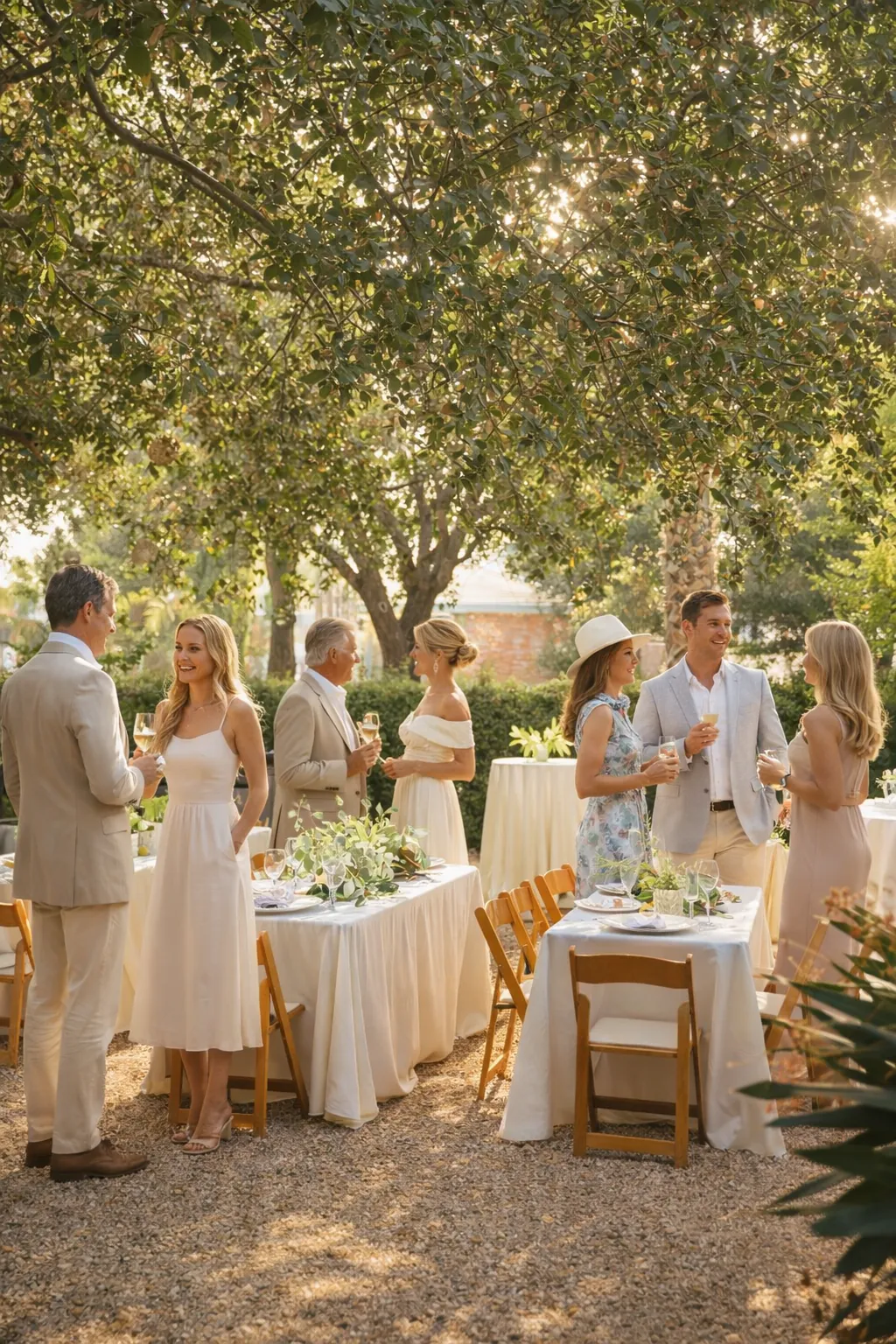
This is not dead time. It is often when the day begins to feel real. Guests can have a drink, look at the setting, meet family members, and talk while you take a few essential portraits. If you have a photographer, make a short family-photo list in advance so no one has to decide whom to find in the moment.

5:30 PM: Bring everyone to dinner
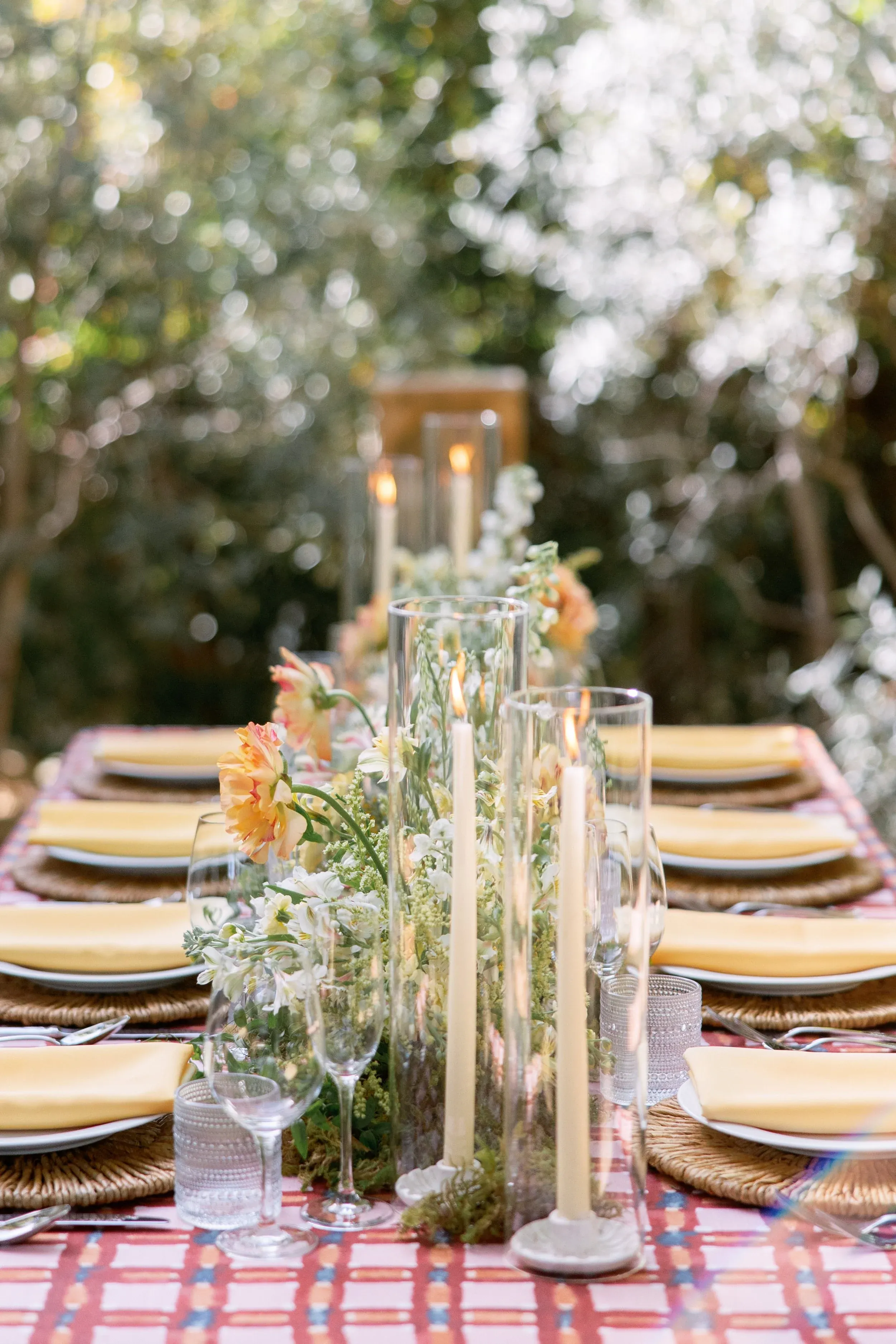
A clear transition helps. A host, coordinator, musician, or caterer can gently invite people to the table. You do not need a formal announcement if that does not suit you, but guests should know that the next shared moment is beginning. For a small group, a long table or connected seating gives dinner an easy centre.
5:45 PM: Share the meal
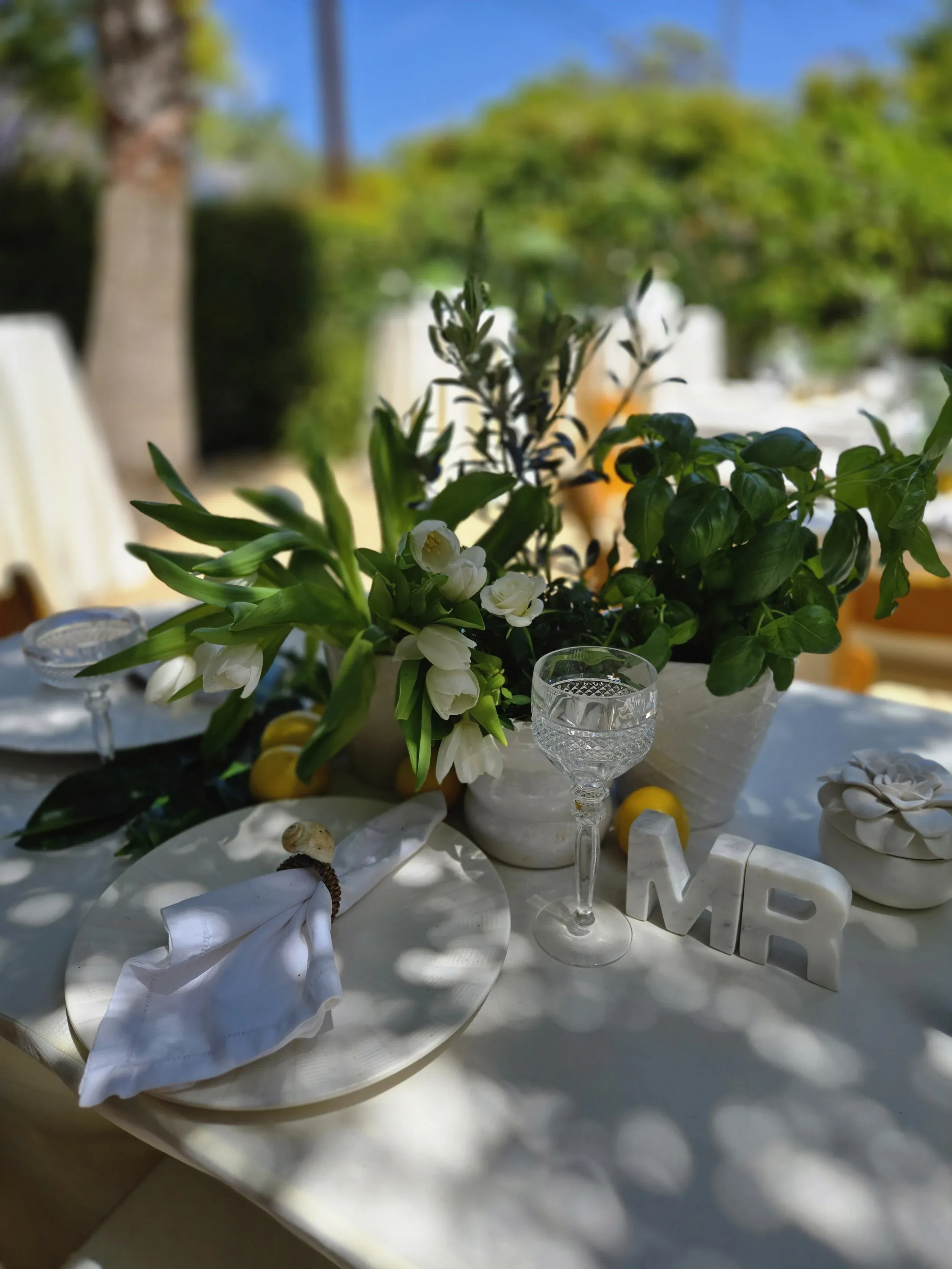
Choose service that supports your group. A seated dinner creates a calm, lingering pace. Family-style food gives guests something to pass and discuss. A cocktail-style format can work well when you want people moving and talking, as long as there is substantial food and enough places to sit. The meal does not need an elaborate schedule. It needs enough time for conversation to become the point.
7:00 PM: Toasts, cake, or one shared moment
Place the most meaningful group moment after people have eaten a little. Two or three short toasts, a cake cutting, a first dance, or a few words from you can give dinner a beautiful turn without taking over the evening. Ask speakers in advance and keep the number intentionally small. A smaller group lets every word land.
7:30 PM: Leave room for the unplanned part
After the formal centre of the day, stop adding tasks. Let people change seats, walk the garden, enjoy dessert, or settle into a longer conversation. This is where an intimate wedding has its advantage. You can actually spend time with the people you invited instead of racing through a reception checklist.
8:30 PM: End with purpose
Choose one soft close, such as a favorite song, dessert, a final thank-you, or a few quiet minutes by yourselves after guests leave. A clear ending keeps the day from fading out in a logistical scramble. It also gives you a moment to notice that you made the time for the people who matter most.
Adjust the timeline when the ceremony and reception are apart
Two locations can make a small wedding feel more personal, especially when a courthouse, church, family home, or meaningful ceremony site is part of the plan. They also make transition time non-negotiable. Account for walking to cars, parking, accessibility, traffic, and the fact that guests will naturally linger after the ceremony.
Do not schedule cocktails at the second location for the exact moment the ceremony ends. Give people an arrival window, and make the first half hour there feel like part of the celebration rather than a delay. A welcome drink, shade, seating, and a small bite create a much better handoff than asking everyone to wait for photographs without a plan.
For couples marrying at the Santa Barbara Courthouse, our courthouse wedding and reception guide walks through how the legal ceremony can lead into a gathering that feels complete in its own right. The key is not filling the travel time with activity. It is making the arrival afterward feel intentional.
Build in the buffers people forget
Arrival buffer: Guests do not appear at once. Allow time for traffic, parking, greetings, and the small adjustments that happen when a group gathers. This is especially important for anyone traveling from a hotel, a courthouse, or another part of town.
Photo buffer: Small groups can make portraits faster, but not instant. Decide which family combinations matter most, tell those people before the ceremony, and plan a little extra time for hugs and congratulations. Those are part of the photographs, not interruptions to them.
Meal buffer: Catering has its own pace. Confirm when drinks, food, cake, and cleanup need access to the space. A shared meal feels relaxed when service is not fighting the schedule.
Weather and comfort buffer: For an outdoor celebration, think about shade, temperature, light after sunset, footwear, restrooms, and a place for people to sit. Those details are not separate from the timeline. They determine whether guests can actually enjoy the time you have set aside for them.
Choose fewer moments and make them count
The temptation with a micro wedding is to prove that a small celebration can include every large-wedding tradition. It can, but it does not need to. Choose the rituals that make you feel celebrated, then let the rest go. A ceremony, a beautiful meal, a few words, and a favorite song can carry a day more fully than a long list of activities.
Before locking your timeline, ask three questions: When will we have time alone? When will every guest feel welcomed? When will the people we love have time to be together? If the schedule answers all three, it is probably serving the day. If not, remove something rather than crowding the clock.
For more help deciding what belongs in the day, our micro wedding checklist covers the planning essentials, while the micro wedding entertainment ideas can help you choose one or two moments that invite guests in without overprogramming the celebration.
Let the setting do some of the work
A useful micro wedding venue makes the timeline easier. When the ceremony, welcome, dinner, and a quieter conversation spot are close together, guests can move naturally through the day. You spend less time giving directions and more time being present.
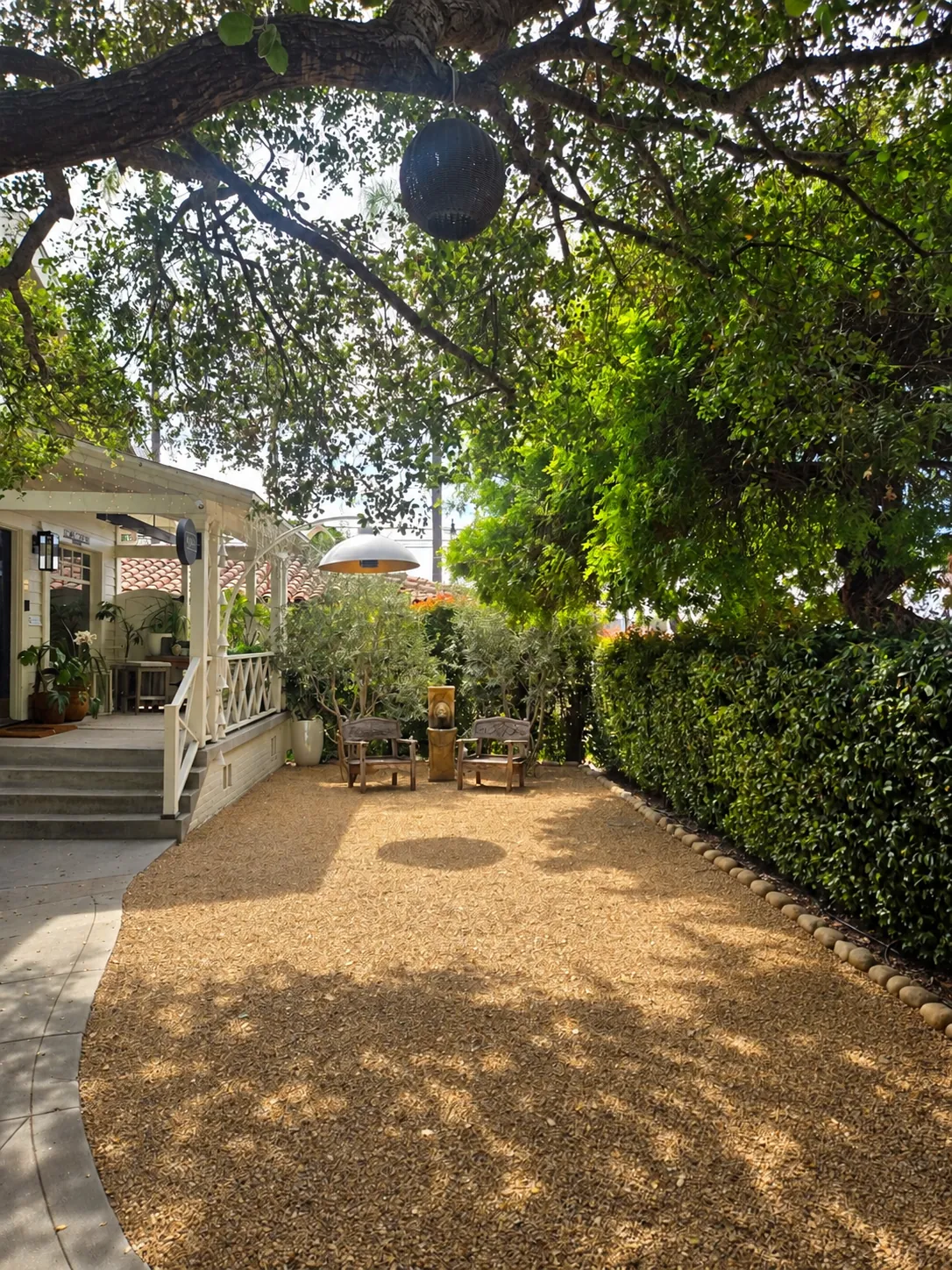
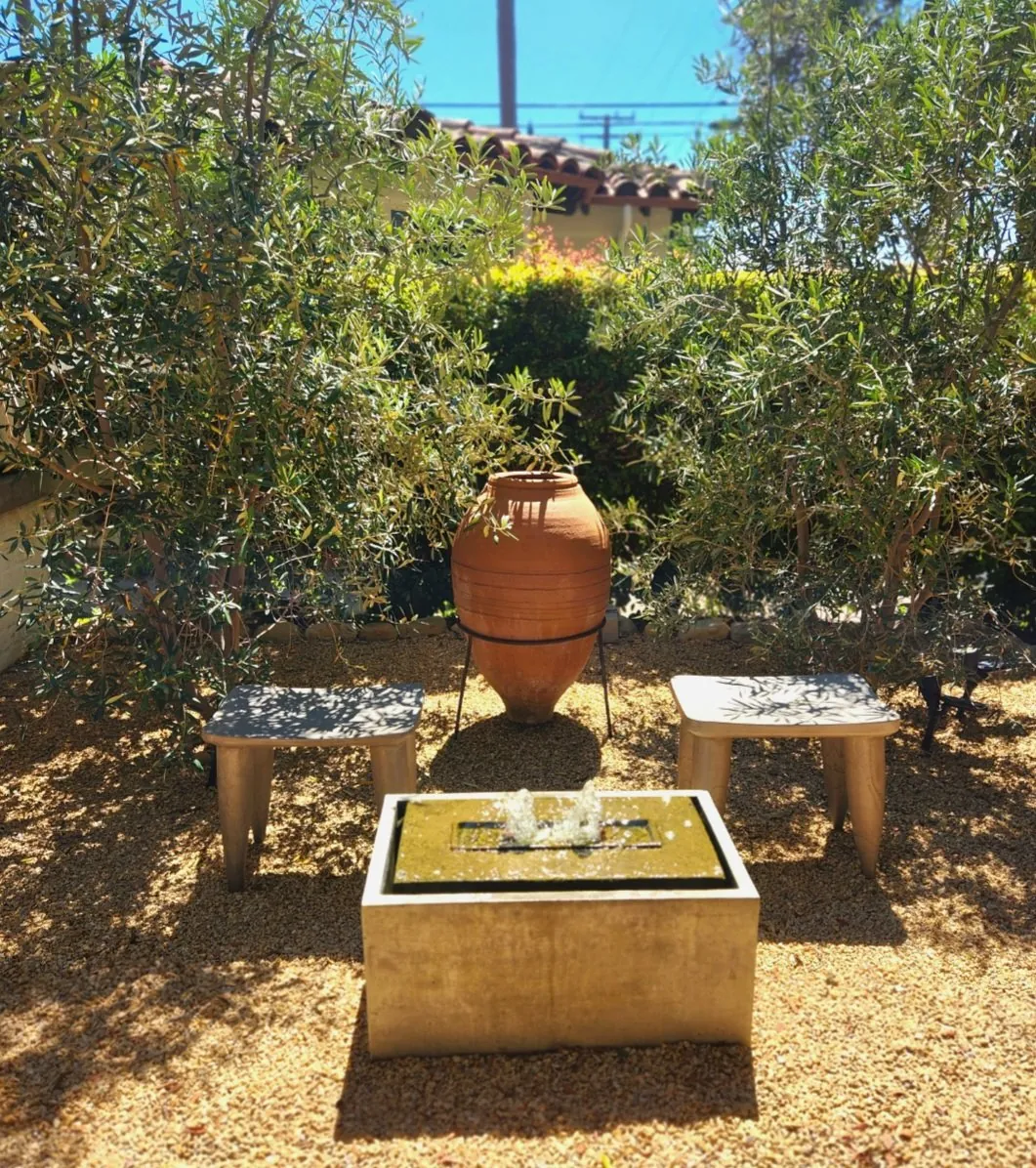
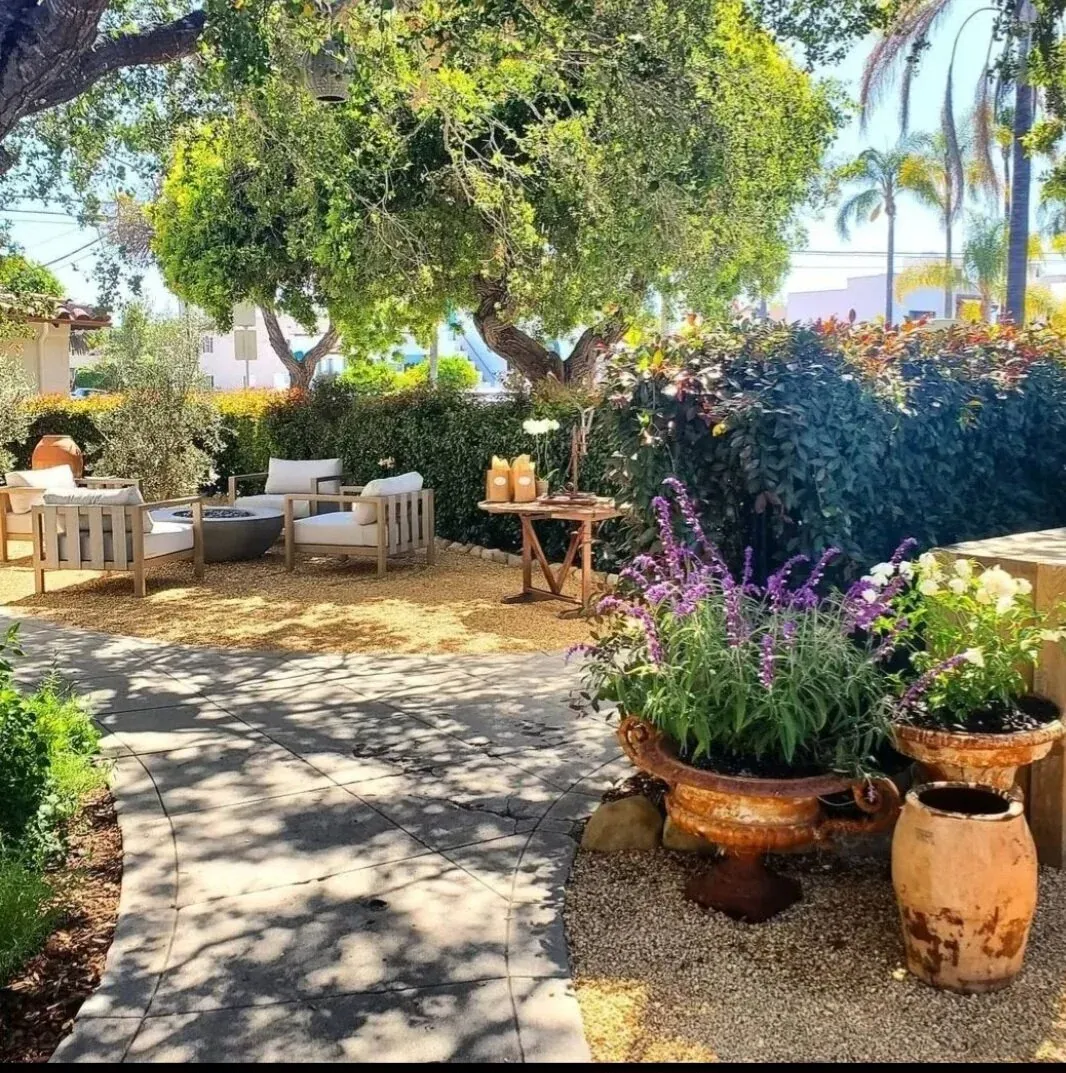
At Islay Gardens, two outdoor garden areas can hold the ceremony, cocktails, dinner, and the conversations between them without sending guests across town for the next part. The private setting includes shaded seating, porch access, restrooms, streaming music, and separate space for catering. For up to 50 seated guests, it gives a small wedding enough room to feel generous.
Frequently asked questions
How long should a micro wedding be?
A micro wedding can be as short or as full as the experience you want to host. Many couples build around a ceremony, a relaxed welcome, a meal, and an intentional close. What matters most is allowing enough time for guests to arrive, photographs to happen, and the people in the room to be together.
What should be on a micro wedding timeline?
Start with the immovable moments, such as the ceremony, dinner service, sunset, or a courthouse appointment. Then include getting ready, guest arrival, portraits, cocktails, dinner, toasts, and a close. Build breathing room between every transition.
Do micro weddings need a cocktail hour?
No, but guests need a comfortable bridge between the ceremony and the next shared moment. A welcome drink, light bite, music, shade, and a clear sense of what happens next can do the job beautifully.
How do you keep a small wedding from feeling rushed?
Use fewer formal moments, schedule more transition time than you expect to need, and choose a setting where the ceremony, welcome, meal, and conversation can happen close together. A small guest list creates more freedom, but it does not remove the need for a thoughtful flow.
When you have a date and guest count in mind, send an inquiry to Islay Gardens.