A simple wedding ceremony can carry more feeling than a long production. With the people you love nearby, a setting that feels right, and words you actually want to say, there is no need to add traditions simply because they appear on someone else's timeline.
The goal is not to make the ceremony bare. It is to give the meaningful parts enough room to land. These simple wedding ceremony ideas help you decide what to keep, what to leave out, and how to make the moment feel personal from the first welcome to the walk back down the aisle.
1. Start with the feeling, not the schedule
Before choosing readings, music, or who walks where, decide how you want the ceremony to feel. Quiet and intimate. Warm and family-centered. A little playful. Formal enough to feel important, but relaxed enough that everyone recognizes you in it. A few plain words can guide every later choice.
This is especially useful for a smaller wedding because there is less need to perform for a large crowd. Picture your guests arriving, taking their seats, hearing the first words, and seeing you together. What would make that moment feel settled and true? A shaded garden, one favorite song, a sibling reading a short passage, or a simple welcome from the officiant may be more memorable than a full program.
Once you have the feeling, use it as a filter. If a tradition adds warmth or meaning, keep it. If it only adds another person to coordinate or another minute on the schedule, let it go. A simple ceremony is not about doing the minimum. It is about making room for the right things.
2. Give guests an easy way to arrive
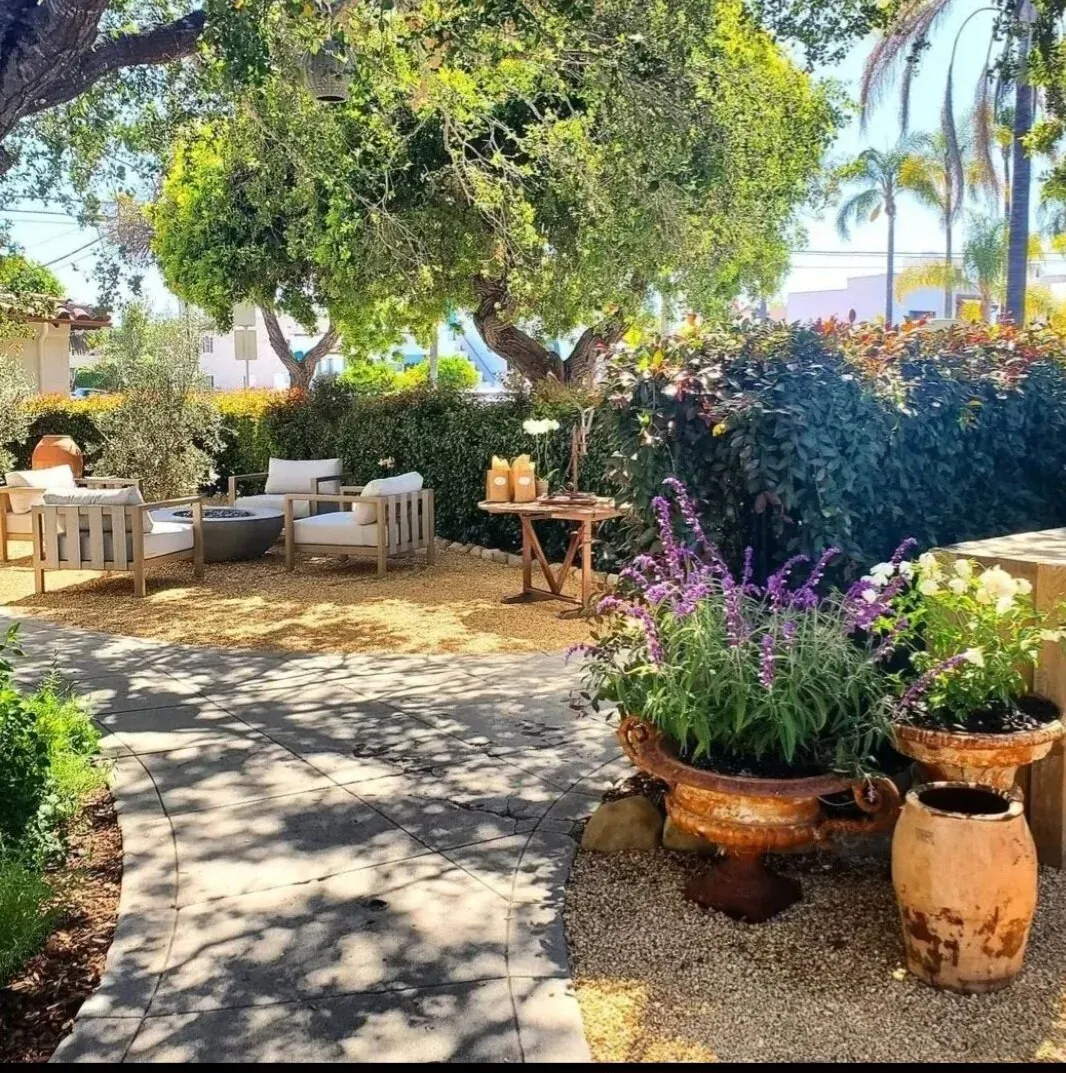
A ceremony begins before the officiant speaks. Guests need a clear place to enter, a sense of where to sit, and a few minutes to greet one another. That does not require an elaborate staging plan. It does mean thinking through the first five minutes from a guest's point of view.
Choose one person to welcome early arrivals and point them toward seats, shade, water, or a drink. If the ceremony is outdoors, consider the sun at the actual time of day, the walk from parking, and whether older relatives will have a comfortable place to settle. Simple hospitality makes everyone more present when the ceremony starts.
Music can help without becoming a performance. A short playlist as guests arrive, one processional song, and a recessional are usually enough. Pick songs you will still enjoy hearing years later, and make sure the volume suits the space. The music should support the conversation before and after the vows, not drown it out.
3. Choose one strong ceremony setting
When the ceremony site has character, you do not need to cover it with decorations. Look for a spot where guests can see and hear comfortably, where the two of you have room to stand naturally, and where the background feels considered in photographs. Shade, a mature tree, garden roses, a view, or a simple architectural detail can do more than a large installation.
Think about the sightlines from every seat, not just the front row. Ask where the officiant will stand, where family will sit, and how you will walk in and out. If you are using a garden or another outdoor space, look at the location at the same hour as the ceremony. A beautiful corner at noon may feel entirely different in late afternoon.
Keep any flowers focused. A few arrangements at the ceremony point, petals down the aisle, or a small arrangement that can move to the dinner table afterward all work well. The best choice is one that adds focus without asking guests to look past it to see you.
4. Let the officiant sound like a real person
The officiant sets the tone. Whether you choose a professional, a religious leader, or someone close to you, give them a clear picture of the kind of moment you want. Share a few details about how you met, what you appreciate about each other, and the level of formality that feels comfortable. You do not need a long life story for the ceremony to feel personal.
A simple format can be as straightforward as a welcome, a brief reflection, vows, rings, the legal words needed to marry, and a closing declaration. Ask the officiant to keep transitions short and to avoid jokes, stories, or language that do not sound like you. A little preparation prevents the ceremony from feeling generic or unexpectedly performative.
It helps to ask for a draft early enough to read aloud together. Notice where you hesitate, where the words make you smile, and where something feels unlike your relationship. Clear, familiar language is easier to hear and remember than grand statements that belong to someone else.
5. Keep the vows honest and easy to say
Personal vows do not need to be long to be moving. A useful structure is simple: begin with what you love or admire, name one promise you mean, and finish with the commitment you are making. A few specific sentences will usually feel stronger than a page of formal language read through tears.
Give yourselves a comfortable limit, perhaps one to two minutes each. Agreeing on a similar length protects the balance of the moment and makes it easier to prepare. Practice the words once or twice out loud, then print them in a large, readable typeface or keep them in a small notebook. Do not rely on a phone that can lock, lose signal, or distract you.
You can also use traditional vows, repeat after the officiant, or combine the two. There is no prize for writing every line yourself. The point is to make a promise you can say with confidence in front of the people who matter most.
6. Include people in one or two meaningful ways
A small ceremony makes it easy to involve loved ones without turning the service into a long program. Ask one person to read a short passage. Invite a close friend to play or sing one song. Have parents walk in together, or ask a sibling to hold the rings. One or two contributions give the people closest to you a place in the ceremony while keeping the attention on the commitment you are making.
Choose roles because they fit the person, not because every family member needs an assignment. Someone who hates public speaking may prefer to greet guests, help with a toast later, or simply enjoy the ceremony from their seat. The best plans make people feel included, not obligated.
If you are having a courthouse ceremony with only a few witnesses, save the larger shared moment for afterward. The Journal's small wedding reception ideas can help you turn lunch, dinner, or a sunset toast into a real second chapter of the day.
7. Give the ceremony breathing room
Many simple ceremonies feel complete in 15 to 25 minutes. That is long enough for guests to settle, for the vows to matter, and for the kiss and congratulations to feel unhurried. It also leaves energy for the part that follows, whether that is photographs, cocktails, a long lunch, or dinner.
Build in a few minutes before the start time. Guests arrive late, family members need directions, and outdoor plans often take a beat to settle. Starting ten minutes after the invitation time can be kinder than making everyone wait while the first rows are still empty. Your officiant, photographer, and coordinator should know the actual start plan.
After the recessional, avoid rushing immediately into a receiving line or photographs. Take a few minutes to hug your guests, then step away briefly together while everyone gets a drink or finds their next place. That small pause gives you time to breathe before the celebration opens up again.

8. Pair the ceremony with a gathering worth lingering over
The ceremony can be brief without making the day feel short. What gives a wedding its shape is often what happens next: a meal, a table full of stories, a toast, a few photographs in good light, and time to be with the people who came. This is where a small wedding has a real advantage.
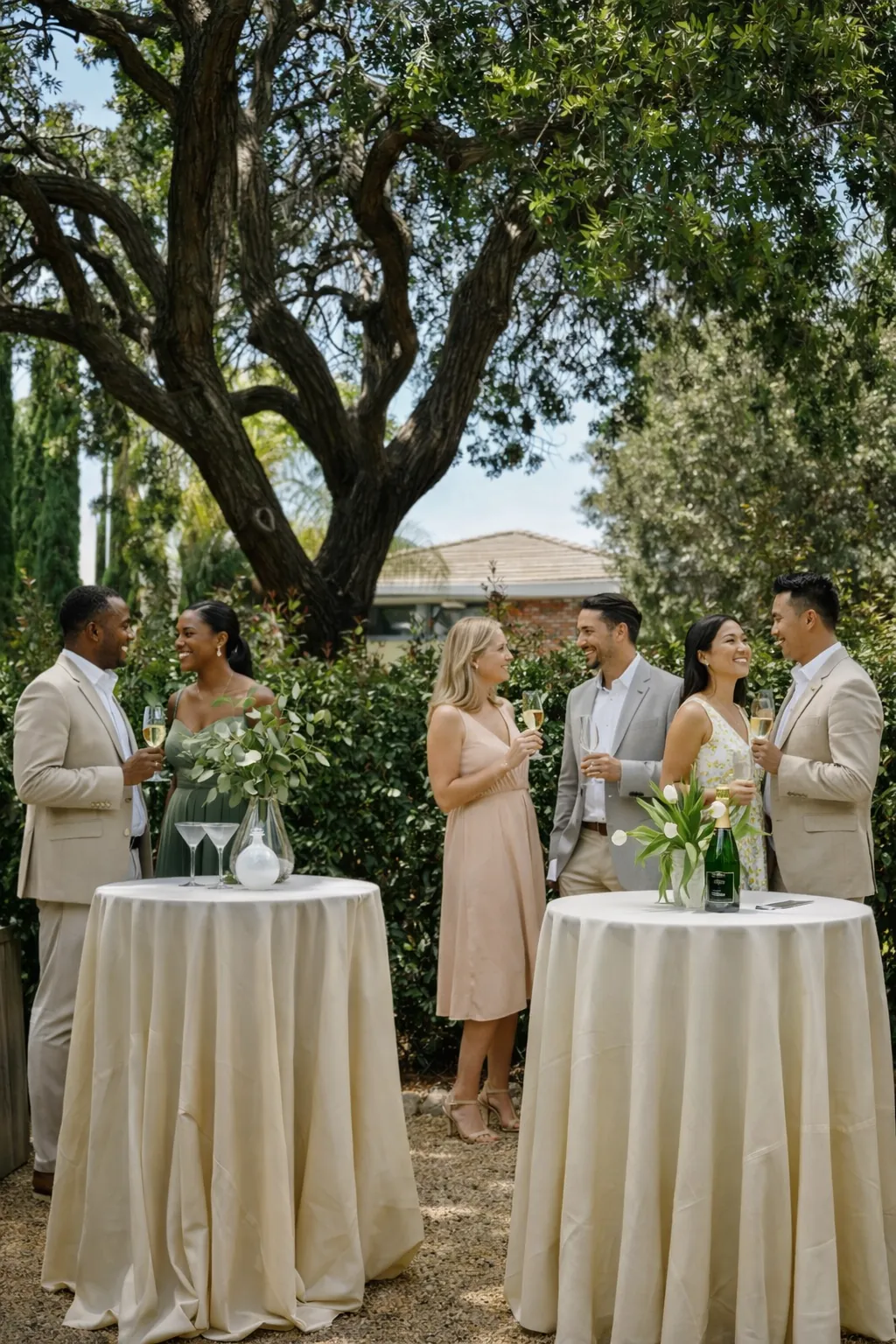
A simple ceremony followed by cocktails and dinner is a flexible choice for many couples. A morning ceremony can become a long lunch. A courthouse appointment can lead into champagne, cake, and an evening meal. The format does not need every traditional reception event. It only needs a natural center that lets guests share the day with you.
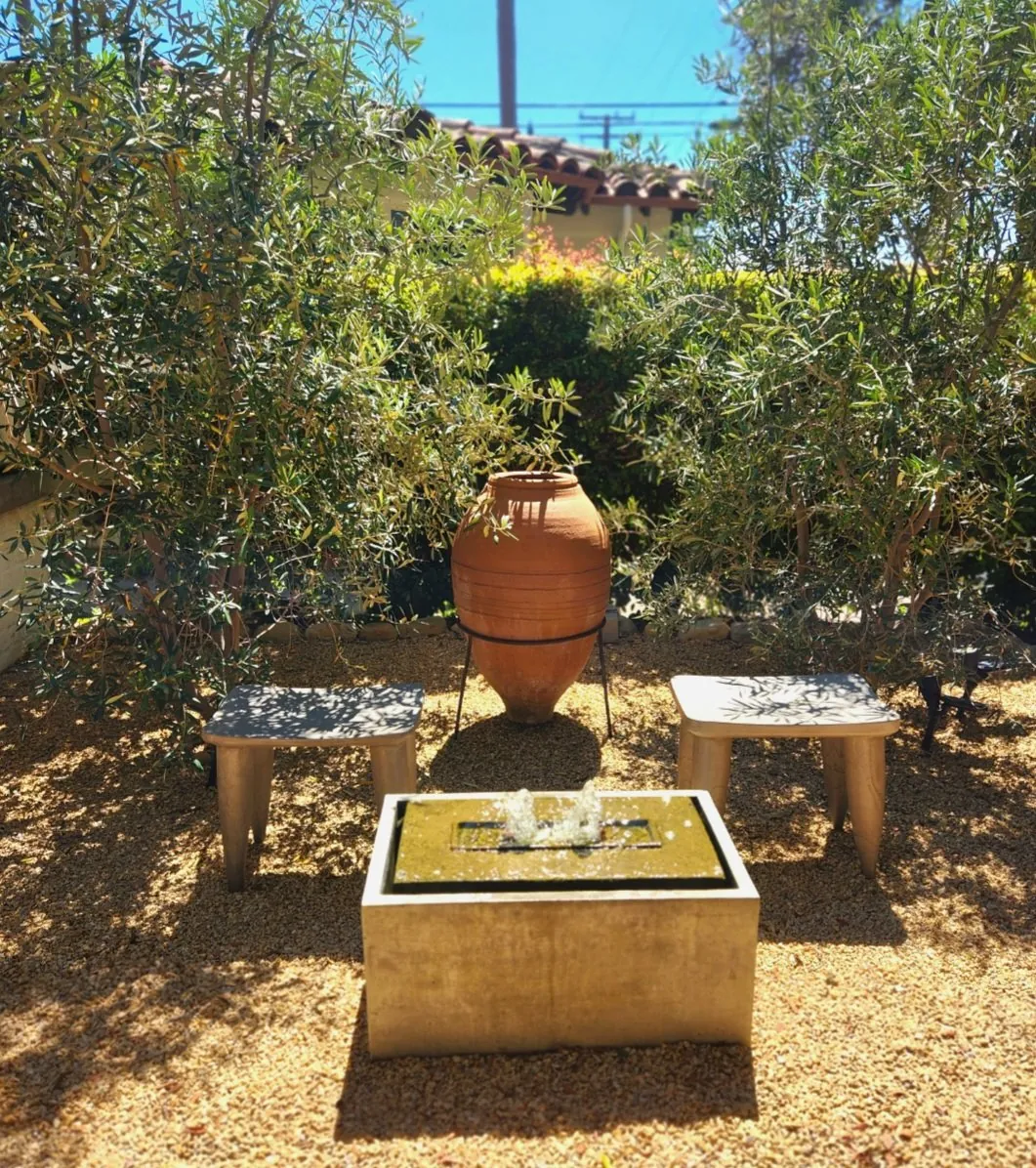
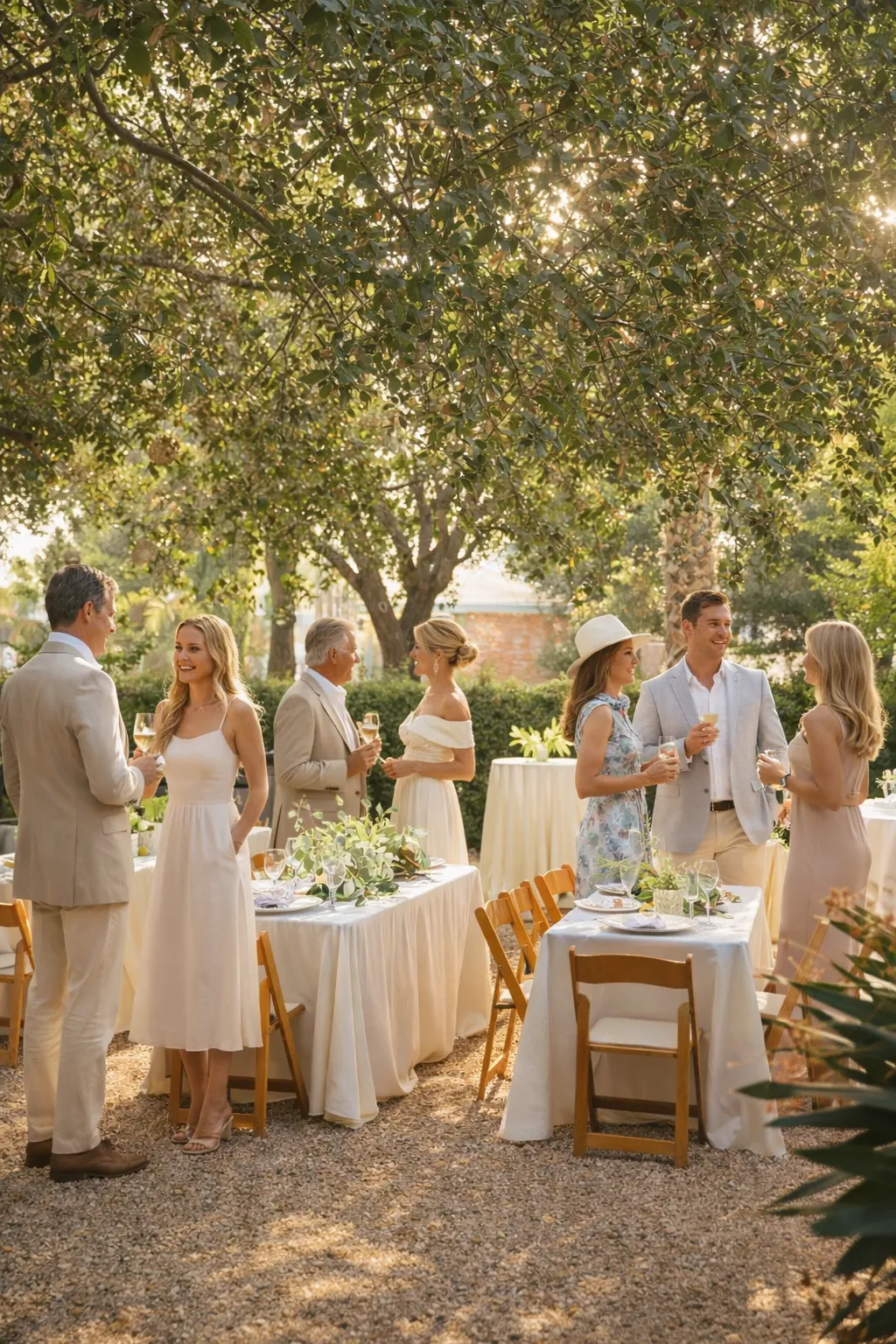
For couples planning in Santa Barbara, the small wedding venue details show how a private outdoor setting can make room for a ceremony, drinks, dinner, and conversation in one place. The garden welcomes smaller gatherings through seated celebrations of up to 50 guests, with room for a personal format rather than a fixed package.
Frequently asked questions
How do you make a simple wedding ceremony feel special?
Choose a few details that have real meaning: a clear ceremony space, words that sound like you, one piece of music, and enough time to be present afterward. A simple ceremony feels special when it is deliberate, not when it is crowded with traditions.
What should be included in a simple wedding ceremony?
Most simple ceremonies include a welcome, a reading or short reflection if you want one, vows, rings, the legal declaration required by the officiant, a kiss, and a recessional. Keep the order straightforward and add only the moments that feel true to you.
How long should a simple wedding ceremony be?
Many simple ceremonies feel complete in about 15 to 25 minutes. The best length gives the vows and important moments room to land without making guests wait through material that does not matter to you.
Can a courthouse ceremony still feel personal?
Yes. Keep the legal ceremony simple, then make the gathering afterward personal with the people you invite, a shared meal, photographs, a toast, and a setting that gives everyone time together.
When you have a date and guest count in mind, send an inquiry to Islay Gardens.