The best micro wedding entertainment does not try to fill every quiet minute. It gives guests an easy way to settle in, connect with one another, and share the parts of the day that feel most like you. With a smaller room, one well-chosen idea can do more than a full schedule of activities.
Start by deciding what you want the energy to be. Maybe you want a long, sunlit dinner where conversation is the main event. Maybe you want a little dancing after dessert. Maybe your guests would love a playful activity while you take photographs. The right answer is the one that makes the group feel included, not managed.
Choose one feeling, then plan around it
Before you hire anyone or buy a game, name the feeling you want guests to carry home. A dinner-party wedding calls for beautiful food, good music at a level that still allows conversation, and enough time to linger. A playful garden celebration might call for lawn games and a short dance set. A family-centered gathering may be best served by stories, toasts, and a table where everyone can see one another.
This is especially helpful when you are planning a micro wedding with people from different parts of your life. Your goal is not to prove that a smaller guest list can party like a larger one. It is to give everyone a natural reason to talk, laugh, and feel part of the occasion. One strong through-line makes every later decision easier.
1. Let live music welcome the room
A solo guitarist, string duo, jazz trio, or acoustic vocalist can give guest arrival and cocktails a sense of occasion without taking over the space. Live music works particularly well for a small group because guests can actually hear the detail, make requests when that is appropriate, and keep talking without needing to shout across the table.
Think in moments rather than hours. You might book a musician for the ceremony and first portion of cocktails, then move to a carefully made dinner playlist. Or bring a duo in after dinner for a few songs that invite people closer. Ask your venue about power, placement, and sound limits early. Those practical details protect the relaxed mood you are trying to create.
2. Build a cocktail hour people can enjoy without a script
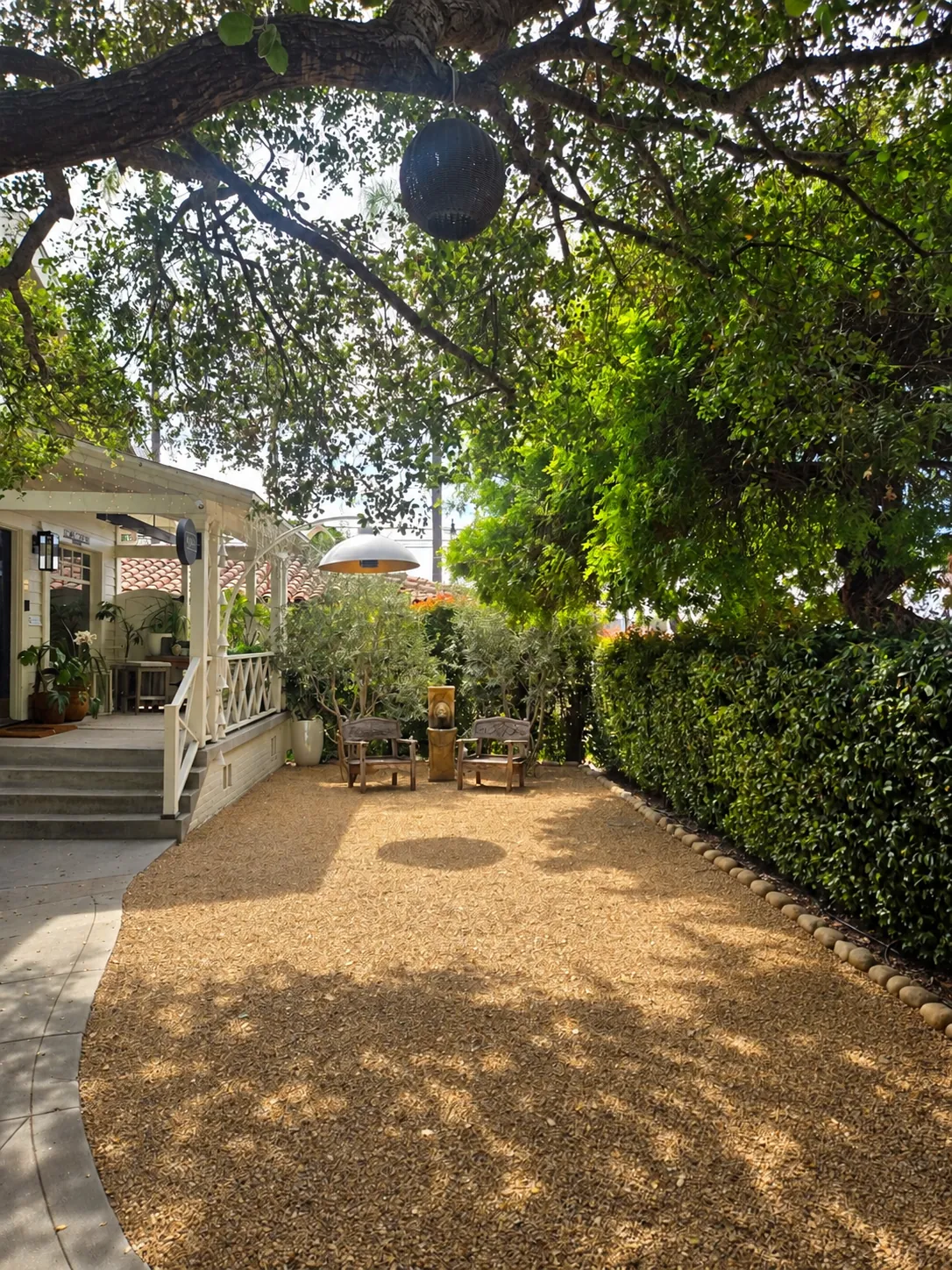
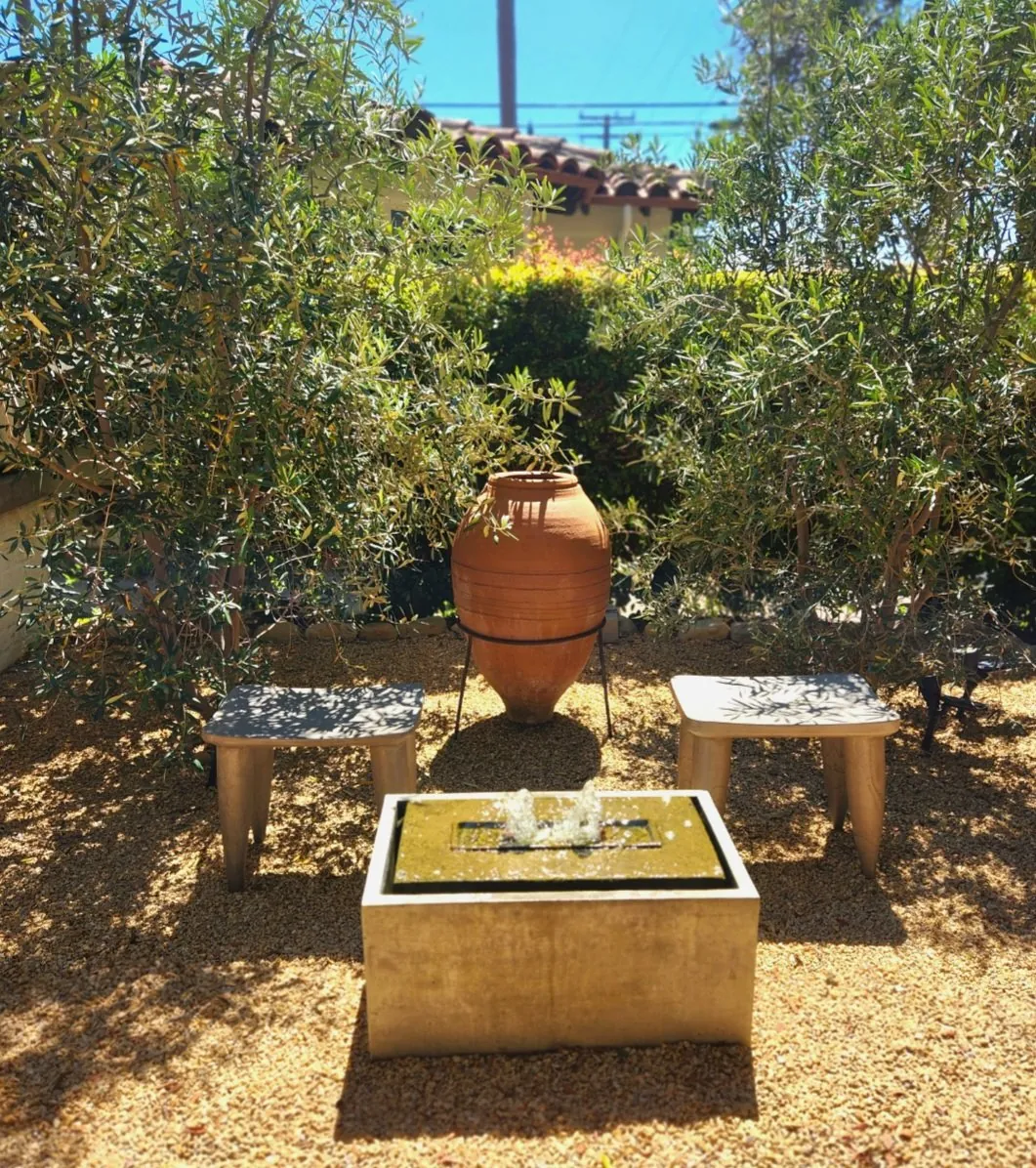
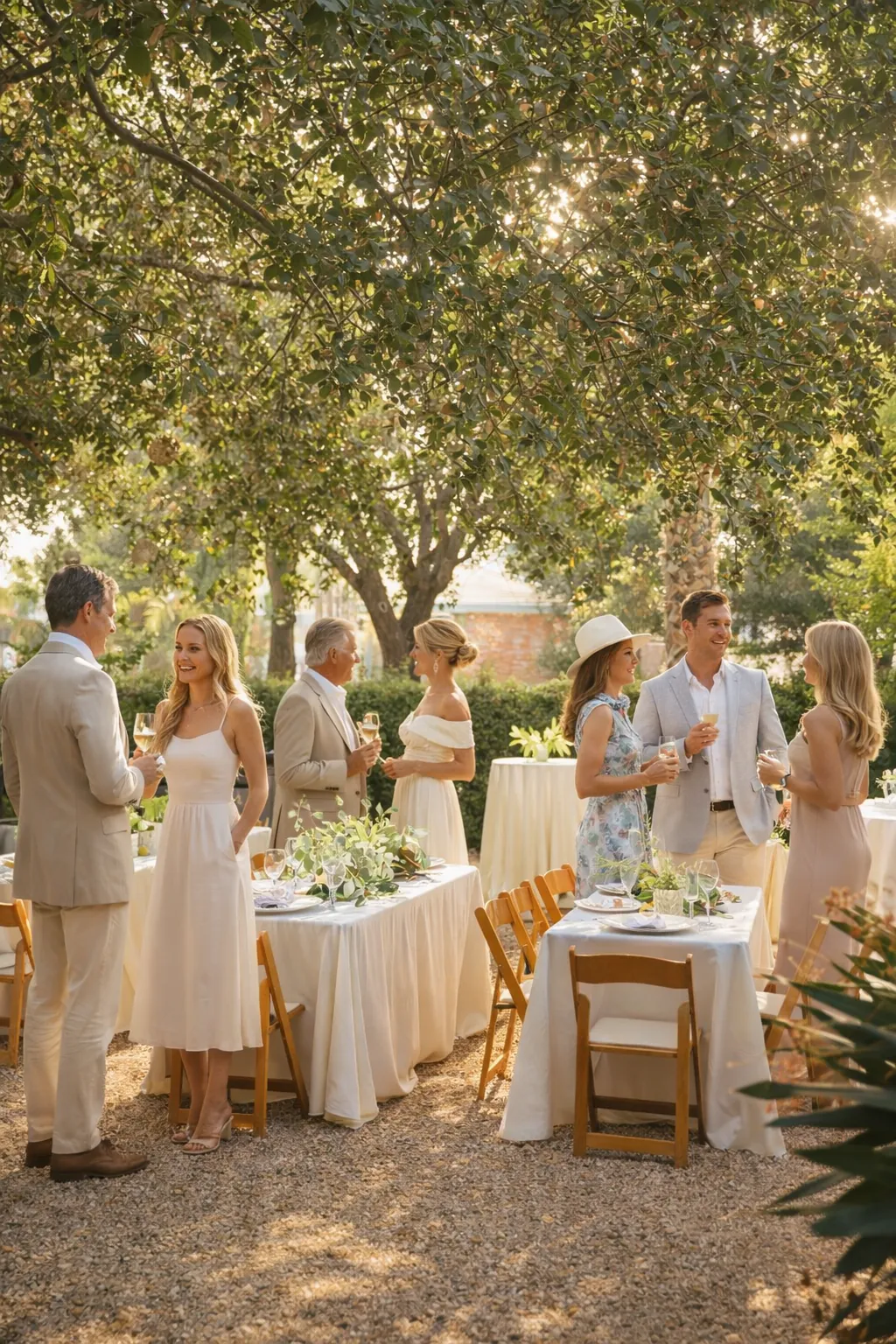
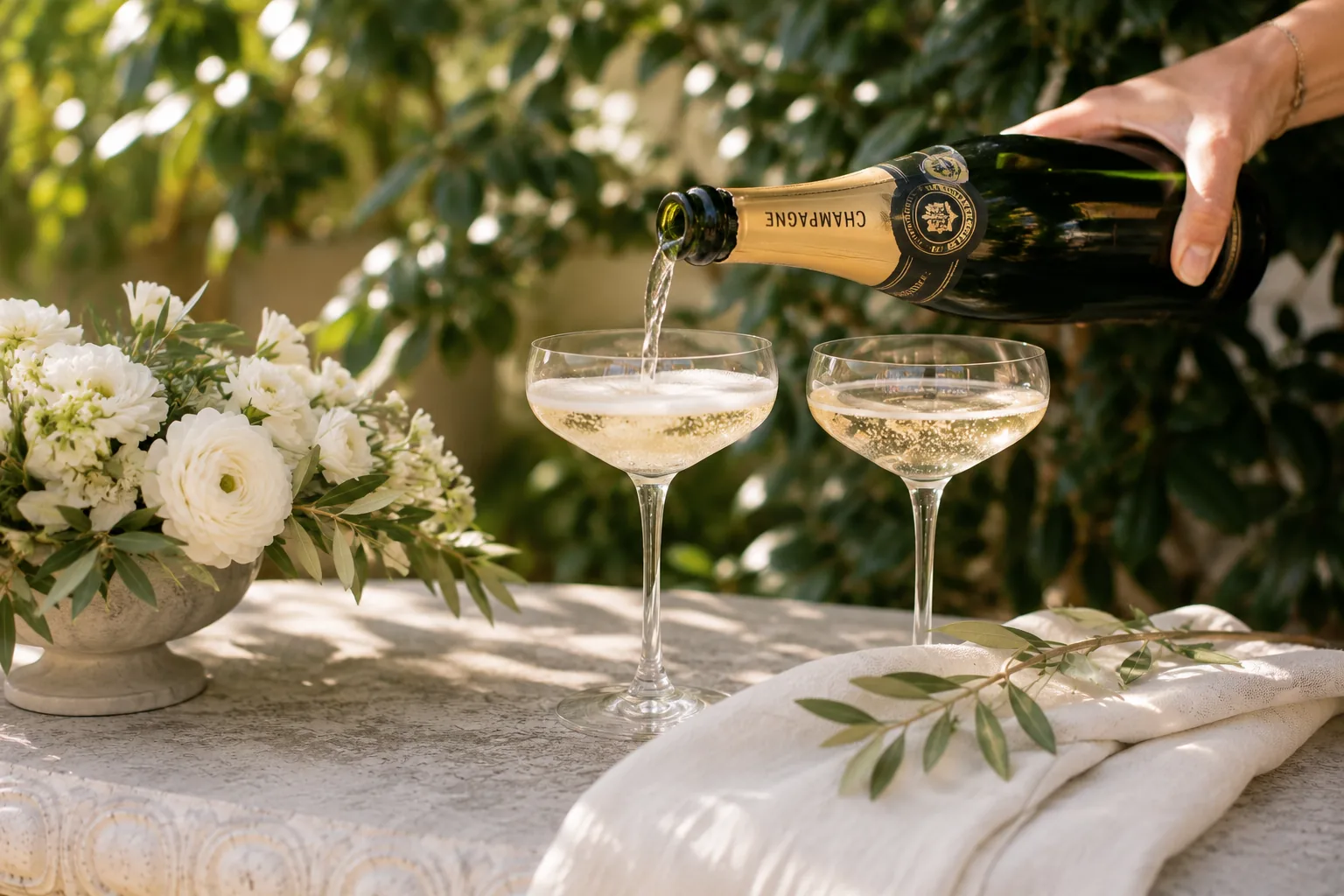
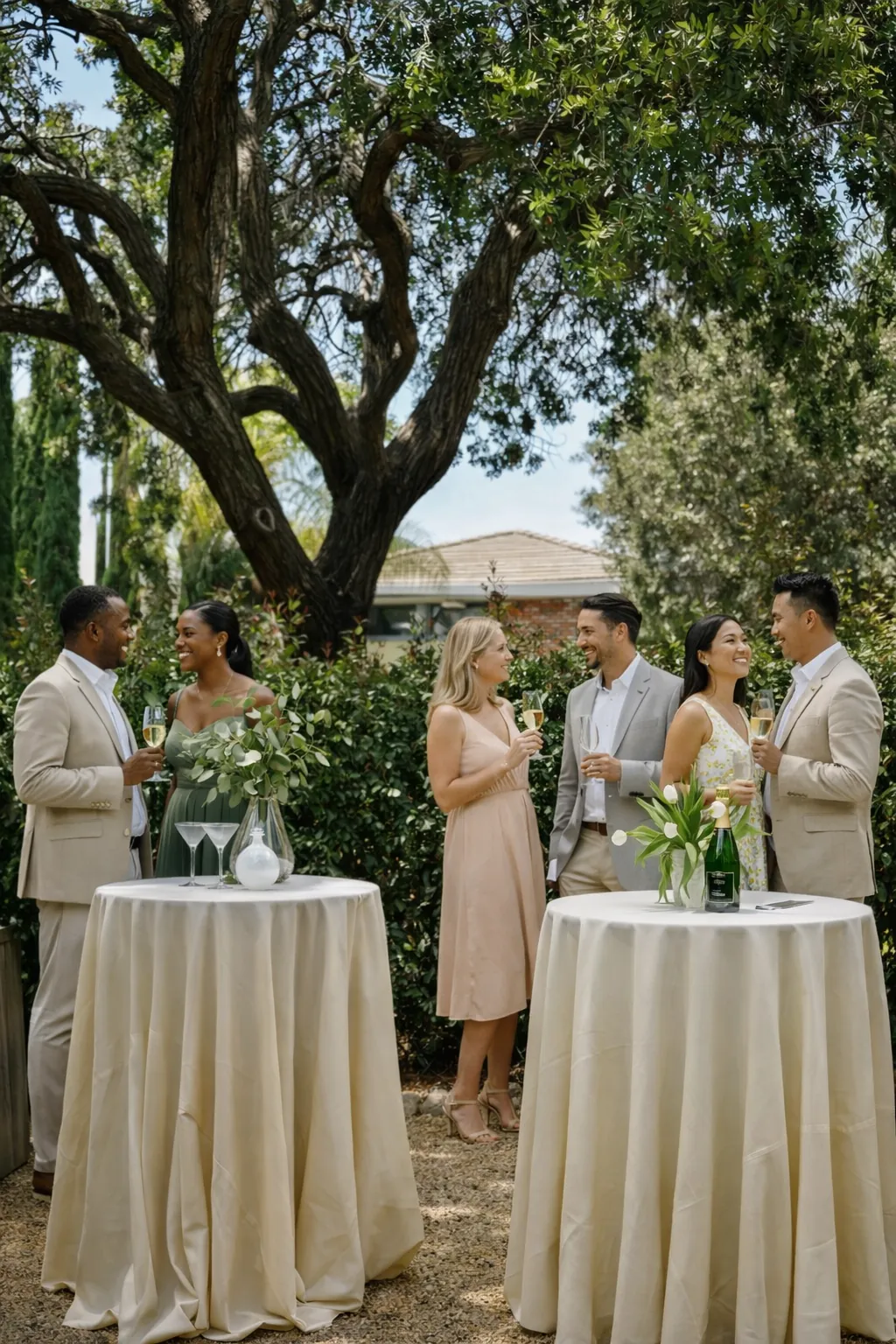
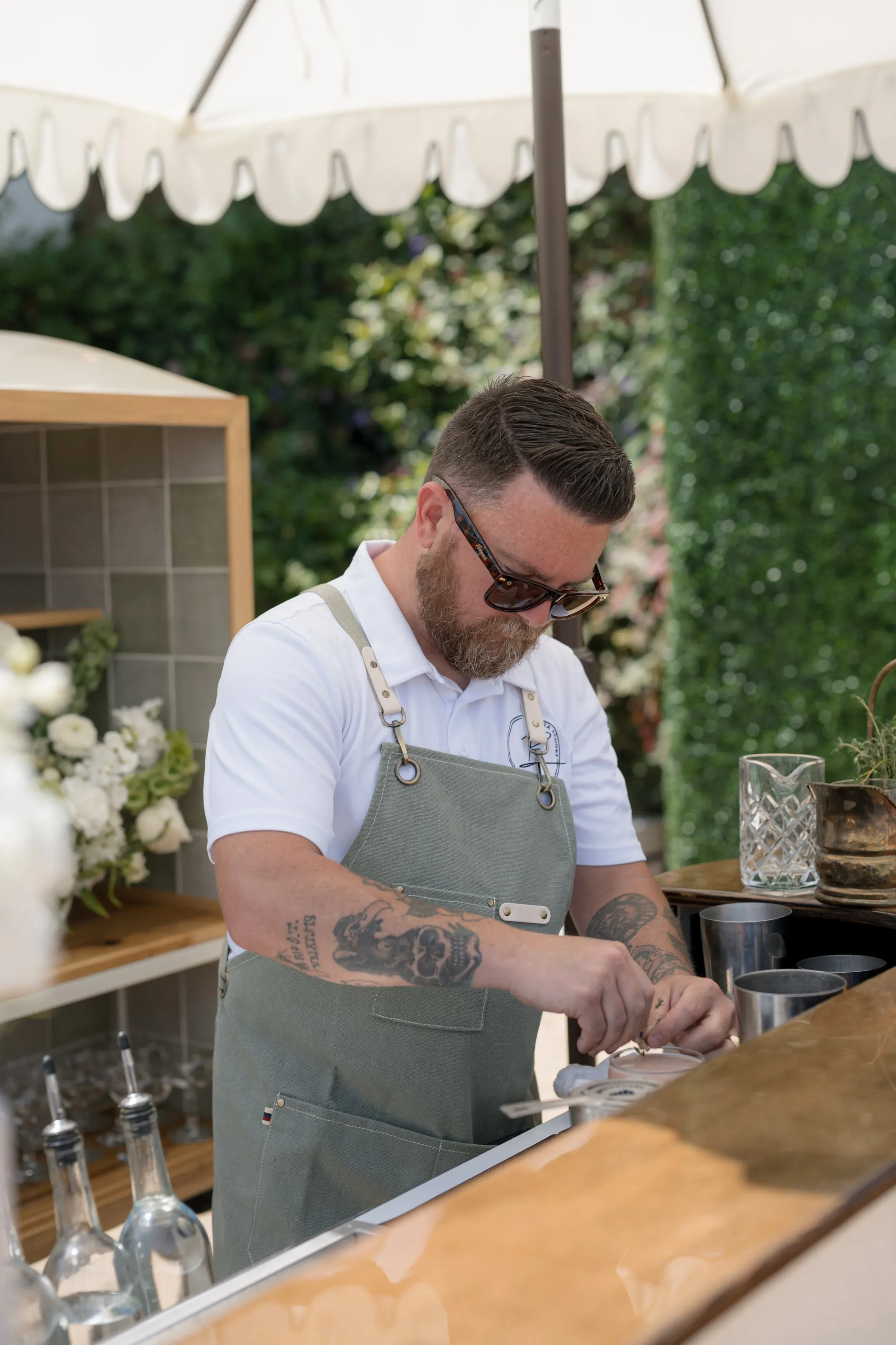
Guests do not need a formal activity every time the schedule pauses. They do need a comfortable place to land. A welcome drink, passed appetizer, shaded seating, and a few points of visual interest can carry a cocktail hour beautifully. If you will be taking photographs, tell guests roughly how long you will be away and give them one thing to enjoy while they wait.
For a garden celebration, that might be a tasting station, a small display of family photographs, a painter at work, or a simple place to leave a note for the two of you. Keep it optional. The people who want to participate can do so, while everyone else can catch up with relatives and meet new friends. For other ways to shape the reception, explore these small wedding reception ideas.
3. Use lawn games as a gentle icebreaker
At an outdoor wedding, a few well-placed lawn games can be more useful than an elaborate entertainment package. Cornhole, bocce, croquet, or oversized chess give guests something to do with their hands while conversations begin. They work best during arrival and cocktails, when people are still finding one another, rather than as a scheduled tournament that pulls everyone away from the celebration.
Choose games that suit your actual guest mix. A quiet, intergenerational group may love bocce or croquet. A more competitive set of friends might enjoy cornhole. Keep the number of options small and place them where people will already be gathering, not across the property. The idea is to create an invitation, not an assignment.
4. Make the meal part of the entertainment
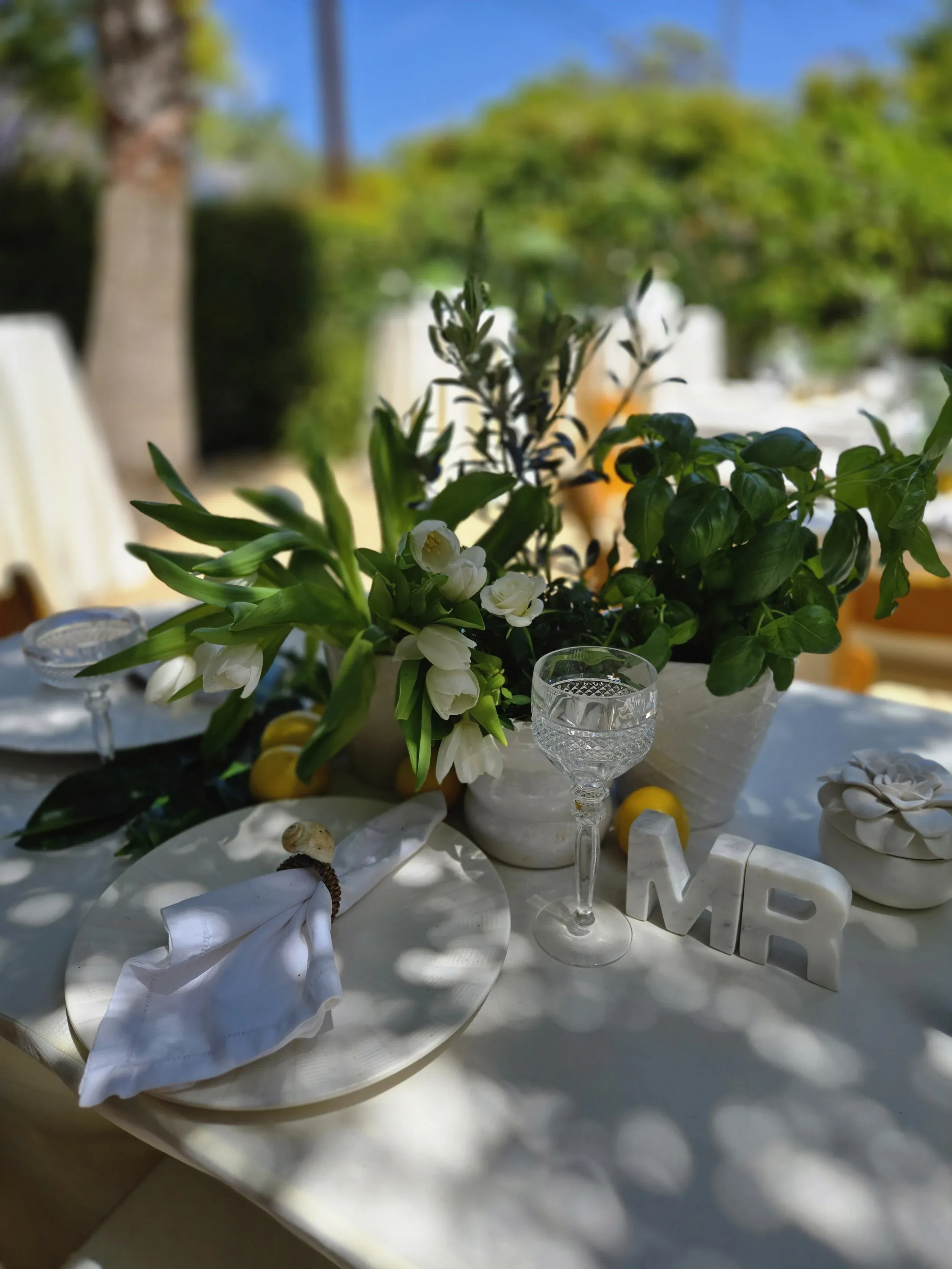
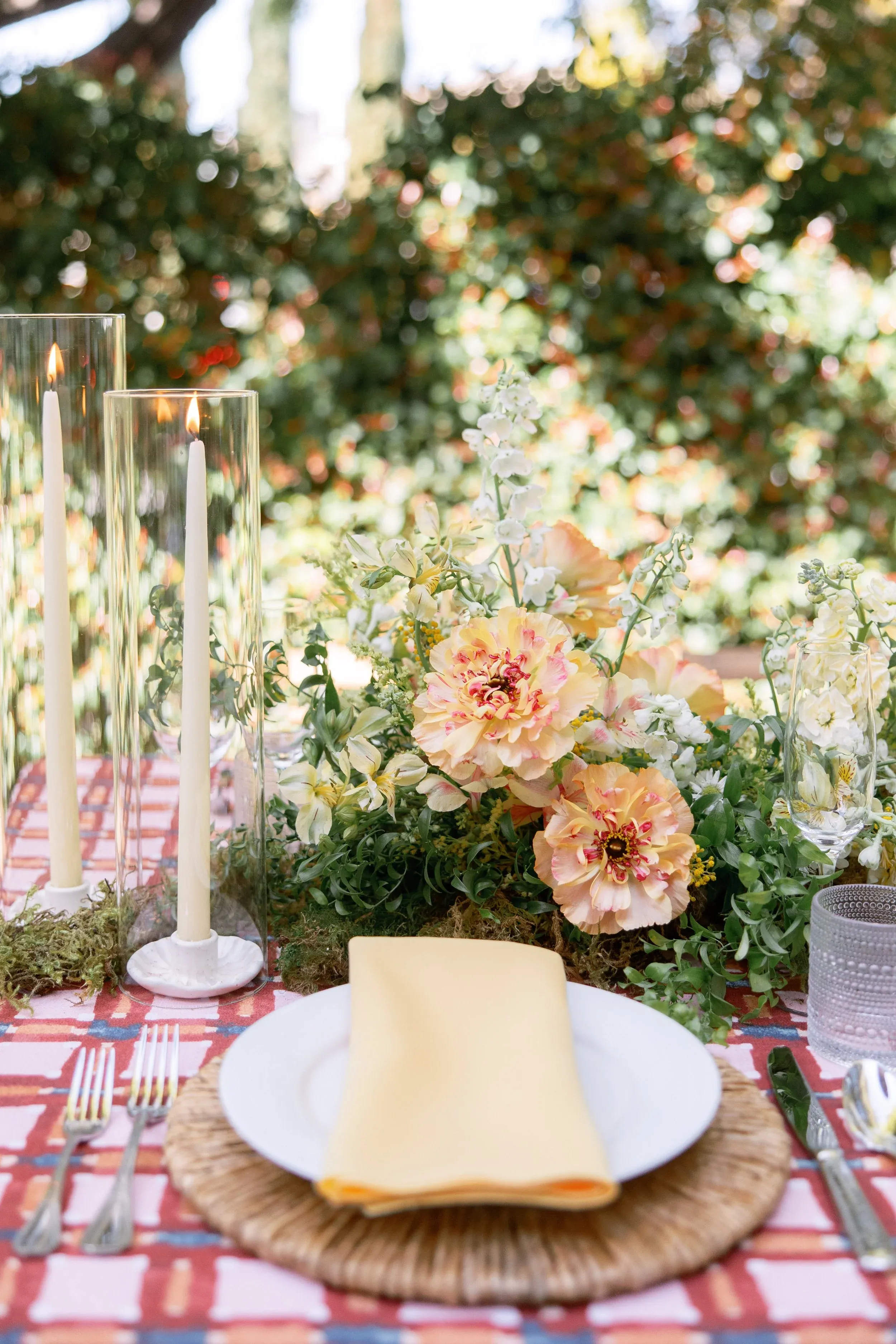
A smaller guest count lets dinner become a shared experience instead of a pause between events. A long table, family-style courses, a thoughtful wine pairing, or a dessert brought out together can give the meal its own rhythm. The most memorable part may be simply having enough time for guests to finish a story before the next thing begins.
Ask your caterer what format helps the room feel connected. Family-style service gives guests an easy reason to pass dishes and talk. A plated dinner can feel more unhurried and intimate. A chef-led course or small tasting can be lovely if it fits your budget and group. Islay Gardens welcomes your own professional caterer or private chef, so a private alfresco dinner can be shaped around the food and timing that matter to you.
5. Give guests a way to leave a memory
A guest book becomes far more meaningful when it gives people a specific prompt. Ask for a piece of marriage advice, a favorite memory, a date-night suggestion, or a note to open on your first anniversary. You can also set out an instant camera with a simple instruction, a voice-message phone, or a postcard station. Choose one format, not all of them.
The best version feels like part of the gathering, not another queue. Place it where guests will naturally pass through, near drinks or dessert, and make sure the supplies are easy to understand. If someone close to you would enjoy facilitating, ask them to gently invite guests in. Then let people participate on their own terms.
6. Create one shared storytelling moment
With a small group, toasts can feel warm rather than formal. Invite two or three people to speak, and give them a clear time limit so the evening keeps moving. You might ask each person to share one story, a wish for the future, or a lesson they have learned about the two of you. A short introduction from you helps guests understand why each speaker is there.
Not every group loves a microphone. If yours does not, build the same feeling into the table. Place a conversation card at each setting, ask guests to share a favorite memory over dessert, or take five minutes after dinner for a round of gratitude. The power is in letting guests witness the relationships around you, not in making anyone perform.
7. Plan a dance moment, not necessarily a dance party
A full dance floor is not required for a wedding to feel celebratory. Some micro weddings come alive with a first dance, two favorite songs, and an open invitation for anyone who wants to join. Others are better with background music and a slow, beautiful close. The smaller the room, the more permission people need to be themselves rather than follow a reception template.
If dancing matters to you, protect it in the timeline. Let dinner end, clear a small comfortable area, and give guests a clear cue that the mood is shifting. If it does not, spend that time on another kind of togetherness. Our simple wedding ceremony ideas can help you keep the whole day rooted in the moments you actually care about.
8. End with a small ritual
The last ten minutes are an easy place to create a memory without adding much expense. Gather everyone for a final song. Serve one late-night sweet. Share a quiet thank-you before guests leave. Light a fire only if your venue allows it and it suits the conditions. A small ending gives the day shape, and it lets guests know they were part of something considered from beginning to end.
For couples pairing a courthouse ceremony with a later celebration, this kind of close can be particularly meaningful. You have already handled the legal moment, so the reception can focus on the people who came to celebrate with you. Our courthouse wedding and reception guide offers more ways to make that handoff feel connected.
How to choose without overplanning
Make a short list of your guests, your setting, and the two moments when the room may need a little lift: usually arrival, cocktails, the transition after dinner, or the final goodbye. Choose one entertainment idea for each moment at most. Then build in comfort: water, shade or warmth, seating, clear directions, and enough time to talk. Those basics do more for guest enjoyment than a packed run-of-show.
Finally, make the choice that sounds most like you. If you love music, let it lead. If you host friends around the table, let dinner be the centerpiece. If you want everyone laughing together, choose one low-stakes game or storytelling moment. A smaller gathering gives you the rare advantage of noticing how everyone is doing. Use that closeness, rather than trying to compensate for the guest count.
Give every idea a practical home
Before you commit, walk the plan through with your venue and vendors. Where will the musician set up? Will guests have a clear path to dinner if a game is happening on the lawn? Is there enough seating for anyone who would rather watch than join in? A good idea feels effortless only when it has a sensible place, a clear start and finish, and no hidden demands on your guests.
It also helps to name one person who can quietly keep an eye on the rhythm of the day. That might be a coordinator, a trusted friend, or your caterer's lead. They do not need to announce every transition. They simply make sure a welcome drink is ready, the musician has what they need, and the people giving toasts know when their moment is coming. That small bit of stewardship lets you enjoy the gathering instead of producing it.
Frequently asked questions
What entertainment works best for a micro wedding?
The best choice suits the people in the room and the point in the day. A musician can shape the welcome, lawn games can give guests an easy way to mingle, and a shared meal or storytelling moment can be all the entertainment a small group needs.
Do micro weddings need a dance floor?
No. A dance floor is optional. Some small groups love a short, joyful dance set, while others would rather linger over dinner, gather around a fire, or end the evening with one favorite song.
How do you keep micro wedding guests entertained between the ceremony and dinner?
Give the in-between time one clear purpose, such as a welcome drink, live acoustic music, a photo moment, a light activity, or family portraits. Guests do not need constant programming when they have a comfortable place to talk and something natural to enjoy.