Planning a small wedding starts with a few practical decisions: who you want there, what you can spend, and how you want the day to feel. Once those are clear, the ceremony, meal, and details become much easier to shape around the people you want closest.
A small wedding is not a scaled-down version of someone else's big day. It is a chance to make each choice feel more personal. Use these eight simple steps to build a relaxed celebration with room for the moments your guests will remember.
1. Decide what “small” means to you
There is no universal guest count that makes a wedding small. For some couples, it is ten people. For others, it is a seated dinner with forty. The useful definition is not a number, it is the feeling: enough people to share the moment, few enough that you can be present with them.
Before you make a list, write down three things you want the day to feel like. Quiet and unhurried. Festive and family-centered. A dinner party that happens to include a ceremony. Those words become a filter for every later choice, from the layout to the music.
2. Make the guest list before choosing the format
Start with the people you would genuinely notice missing. This is kinder than beginning with a venue capacity and trying to fill it. Make the first pass together, then sort names into immediate family, closest friends, and everyone else. If you are not sure where to draw the line, use a simple rule that applies evenly, such as inviting only people with whom you have an ongoing relationship.
A smaller list gives you choices. You can host one long table instead of a room full of rounds, allow time for every guest to speak with you, or put more care into dinner, flowers, music, and photography. It also makes the invitation conversation clearer. A warm, direct message works best: you are planning a very small celebration and hope to celebrate together another time.
3. Set a budget by priority, not by tradition
Small does not automatically mean inexpensive. It means you have more control over where the money goes. Decide on your overall comfort level, then choose two or three parts of the day that matter most. That might be a photographer who gives you space to be yourselves, a meal guests will talk about, or a setting that needs little decorating because it already feels special.
Give every other category a realistic ceiling. Keep a short list of the costs that are easy to forget: service fees, rentals, delivery, tips, ceremony sound, transportation, and a weather backup. When a new idea comes up, ask which priority it improves. If the answer is none, it may be lovely, but it does not need to be part of the plan.
A helpful way to make decisions is to separate the guest experience from the things no one will notice. Guests remember whether they were comfortable, well fed, welcomed, and included. They rarely remember whether every surface had a matching sign. Put the money toward comfort and connection first, then add the details that feel genuinely personal to you.
4. Choose a venue that feels right at your actual guest count
A small wedding looks its best in a setting that does not make the group feel lost. Look for a venue with natural places for a ceremony, cocktails, dinner, and conversation, plus a clear plan for restrooms, catering, parking, sound, and weather. Ask to picture the day at your real headcount, not the venue's maximum capacity.
For an outdoor celebration, ask what happens if the forecast changes, when setup can begin, and how the evening will end. If you are marrying locally in Santa Barbara, check any venue-specific sound requirements early rather than treating music as a last-minute detail. A thoughtful timeline is often the difference between a relaxed evening and one that feels rushed.
When you tour, stand where the ceremony would take place and look back at your guests. Walk the route from there to cocktails and dinner. Notice the shade, the noise, the places older relatives may want to sit, and where a caterer can work without becoming part of the party. These practical details are not glamorous, but they are what make a beautiful setting feel effortless once everyone arrives.
Also ask what the venue provides and what you will need to bring in. A garden may already have a strong sense of place, which can lower the amount of decorating you need. At the same time, you may need to reserve tables, lighting, heaters, or a weather cover. Getting a clear answer early makes it much easier to compare options honestly.
For couples considering a courthouse ceremony, Santa Barbara County says a marriage license must be purchased up to 90 days before the ceremony. Review the County's current marriage license information before you finalize the date.
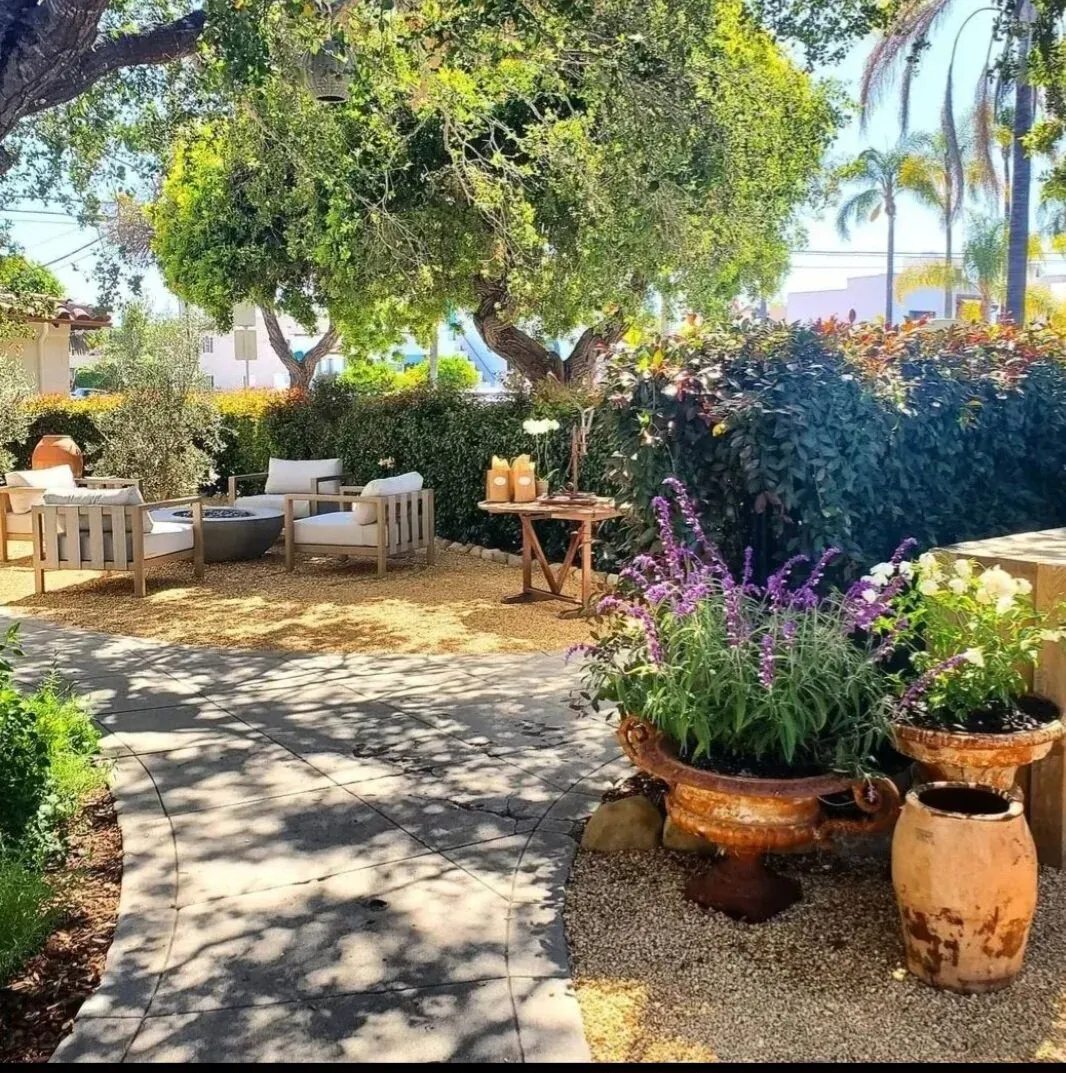
5. Build a day with breathing room
Small weddings do not need a minute-by-minute production schedule. They do need a few anchor moments. Begin with the time you want guests to arrive, then place the ceremony, a shared meal, toasts, and the final sendoff. Leave real space between them for a drink, a conversation, or a portrait without making anyone wait around.
One easy format is a late-afternoon ceremony followed by cocktails and a seated dinner. Another is a morning courthouse ceremony with a long lunch. Neither needs a dance floor or a formal reception checklist to feel complete. Choose the parts that create energy for your group and skip the parts that only exist because you have seen them elsewhere.
Start the ceremony only after every important person has had time to arrive and settle. Keep the cocktail period long enough for a few photographs, but not so long that the meal feels delayed. If you are serving dinner, decide when you want to sit down and work backward from there. A shared table creates its own momentum, so you do not need to schedule entertainment into every gap.
Give yourselves an exit plan, too. It can be as simple as a last toast, a final song, or a few quiet minutes alone after guests leave. Knowing how the day ends helps you choose the right start time, protects vendor load-out time, and prevents the celebration from feeling abruptly cut short.
6. Choose vendors who understand the scale of the day
Tell potential vendors your guest count and your priorities immediately. A photographer can suggest a coverage window that suits a shorter celebration. A caterer can recommend a family-style menu or plated dinner that works for the table. A florist can focus on one ceremony moment and a few beautiful arrangements rather than filling a large room.
Ask vendors what they need from the site, what they will bring, and what they expect you to provide. It is especially helpful to confirm who handles delivery timing, setup, breakdown, and rain decisions. Your venue's preferred vendor list can be a useful place to begin because familiar partners already understand the setting and the practical rhythm of an event day.
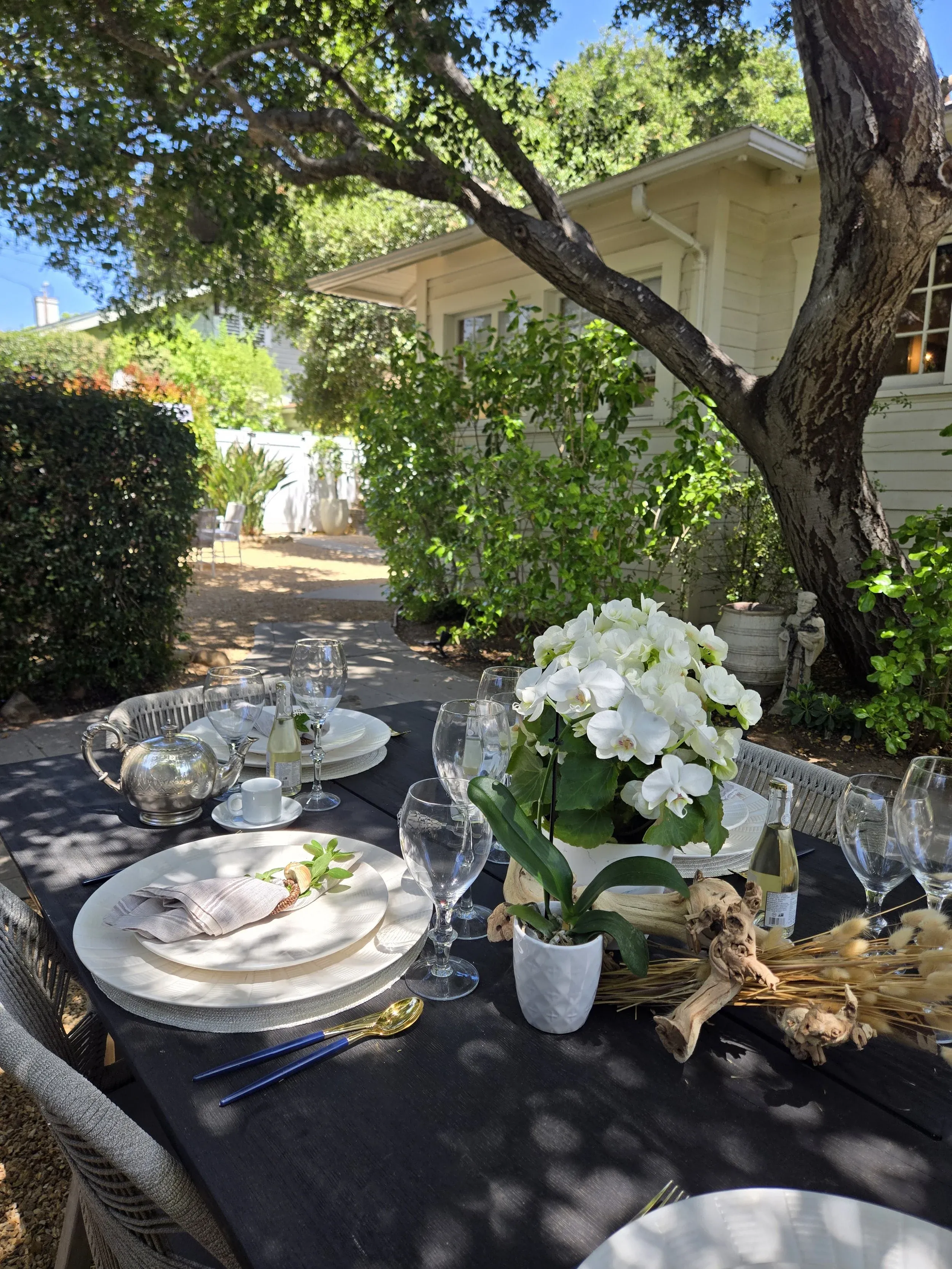
7. Personalize the moments guests will share
At a small wedding, guests can feel the choices that are truly yours. That does not require an elaborate theme. It might be a favorite family recipe, a short ceremony reading, a playlist for dinner, or a handwritten note at each place setting. Pick details that invite participation instead of creating more work for you.
Consider the transitions, too. A welcome drink gives guests a natural first moment together. A shared dessert makes the end of dinner feel celebratory. A few words of thanks can replace a formal receiving line. These are small choices, but they make the day feel held rather than staged.
Be selective. One meaningful choice in each part of the day is more memorable than ten unrelated ones. You might use a family heirloom during the ceremony, serve the dessert you order on birthdays, and ask one loved one to say a few words before dinner. That is enough to make the day unmistakably yours without turning the planning into a second job.
8. Keep the plan simple enough to enjoy
The final planning step is to protect your attention. Put one person in charge of day-of questions, keep important items in one place, and share a short schedule with your vendors and wedding party. You do not need to manage every moment yourself.
Before the day, ask yourselves one last question: if something runs five minutes late, what do we still want to protect? For most couples, the answer is time together. Keep the ceremony meaningful, sit down for the meal, and let the rest be flexible. The most memorable small weddings tend to feel that way because the people at the center were able to be there for them.
In the final week, confirm the guest count, vendor arrival times, payment plan, and weather decision with the people who need to know. Then stop adding. A clear plan is more valuable than another purchase, and a smaller celebration gives you the freedom to enjoy the choices you have already made.
Frequently asked questions
How many guests are considered a small wedding?
There is no fixed rule. Start with the people you would miss most if they were not there, then choose a venue that feels comfortable for that group rather than trying to fill a larger room.
What should you plan first for a small wedding?
Begin with the guest list, the feeling you want, and a working budget. Those decisions guide your venue choice, format, and vendor priorities.
Can a small wedding still have a reception?
Absolutely. A small guest list can make a meal, toasts, music, and time together feel more relaxed because the schedule does not need to move a large crowd from one moment to the next.
How far ahead should you plan a small wedding?
The right timeline depends on your date, location, and vendor priorities. Start with your must-haves, then contact venues and vendors early enough to give yourself real choices.
When you are ready to talk through a date and guest count, send an inquiry to Islay Gardens.