The difference between an elopement and an intimate wedding is not a rulebook or a guest-count contest. It is a decision about who shares the moment, how the day moves, and whether you want the celebration to be primarily about time together or also about hosting the people closest to you.
Both can be beautiful, personal, and completely real. The useful choice is the one that makes your actual priorities easier to protect. Start with the experience you want at the end of the day: a private promise and an unhurried dinner for two, or the feeling of looking around a table and seeing the people who helped shape your lives.
Start with the meaning, not the label
People use “elopement,” “micro wedding,” and “intimate wedding” differently. That is normal. Most planning guides describe an elopement as a couple-focused day with no guests or a very small circle, while an intimate wedding keeps the celebration small enough to feel personal but deliberately includes family, friends, or chosen community. The boundary is flexible because the experience matters more than the name.
An elopement can be a courthouse ceremony, a quiet coastal morning, or a destination day built around an activity you love. An intimate wedding may include ten guests or fifty, a ceremony and dinner, a few toasts, and plenty of time to talk. Neither option has to be casual. Both can have thoughtful vows, beautiful clothes, photographs, flowers, cake, a meal, and meaningful rituals.
Before comparing costs or venues, each make a short list of the moments you would be disappointed to lose. Do you want a parent to witness the vows? Do you want a long table with siblings and oldest friends? Is private time more important than a reception schedule? Your overlap is the beginning of the right format.
Choose an elopement when the day is for the two of you
An elopement tends to work best when privacy, flexibility, and the couple’s own experience are the centre of the plan. Maybe you want to exchange vows without an audience, travel somewhere meaningful, move at your own pace, or avoid spending the day managing a guest list. The day can be simple, but it does not have to be small in feeling. A private ceremony followed by a favorite meal, portraits, a hotel stay, or a small adventure can be deeply considered.
The practical advantage is that a smaller group makes timing easier. You can choose a quieter location, plan around light or weather, linger over breakfast, or decide the day before that you want an extra hour for photos. There are fewer arrival times, fewer opinions to manage, and less pressure to create a programme for other people.
The tradeoff is not logistical, it is emotional. Some couples feel relieved by a private day. Others know they would miss the shared energy of seeing parents, siblings, or close friends react in the moment. Do not choose an elopement solely because it sounds simpler. Choose it because the absence of a crowd feels like a gain, not a loss.
If you elope locally, separate the legal requirements from the vision. Santa Barbara County says marriage licenses are issued in person and its Clerk-Recorder offers civil ceremonies during regular business hours. Check the current County marriage information before setting a ceremony plan, because appointment and licensing details can change.
Choose an intimate wedding when shared celebration matters
An intimate wedding is for couples who want the day to feel close, but not private. The guest list is intentionally limited, not accidental. You can be present with everyone there, while still enjoying the warmth of a welcome drink, a ceremony audience, a shared meal, stories, toasts, and the ordinary conversation that makes a gathering feel alive.
This format works especially well when you want to host rather than simply be witnessed. A guest-focused day needs a little more structure: an arrival plan, enough seating, food and drink, a comfortable timeline, and a setting where a small group looks and feels at home. Those are not burdens. They are the parts that let loved ones relax into the celebration instead of wondering where to stand or when the next thing begins.
The guest list is the clearest decision tool. Start with the people you would genuinely miss. Then imagine speaking with each of them at some point during the day. If that sounds energizing, an intimate wedding is likely the better fit. Our small wedding planning guide can help you turn that first list into a comfortable guest experience.
Compare the decisions that actually change the day
Guests: An elopement may be just the two of you, a witness, or a handful of people. An intimate wedding includes a group you are prepared to host. This affects not only chairs and meals, but also how much private time you need to build into the schedule.
Timeline: Elopements can be fluid. An intimate wedding benefits from clear anchors: ceremony, drinks, dinner, toasts, and an ending. You can still keep it relaxed. A gentle rhythm is different from a packed schedule.
Budget: Neither format is automatically inexpensive. Travel, photography, attire, flowers, and a special meal can make an elopement substantial. An intimate wedding directs more spending toward hospitality: food, rentals, staffing, and space for guests. Set a total comfort level first, then decide which experience deserves the largest share.
Location: A couple-only day can fit places that cannot comfortably support a group. A small wedding needs the opposite: a setting with a natural ceremony spot, shade or warmth, restrooms, catering access, and enough room for guests to settle in. For a garden gathering, think through weather, walking surfaces, and the transition from vows to dinner.
Traditions: You do not need a large wedding to have a first dance, cake, handwritten vows, a beautiful dinner, or a short toast. Keep the traditions that make you feel celebrated, and leave the rest. The simple ceremony ideas guide offers a useful way to focus the ceremony without making it feel bare.
You can combine the two without compromising either
Many couples do not need to choose one label forever. A private legal ceremony can come first, followed by an intimate dinner later that day. You can exchange personal vows alone, then repeat a shorter version in front of family. You can host a small gathering weeks or months after a courthouse marriage. The two-part approach works when you want privacy for the promise and community for the celebration.
The key is clarity. Tell guests what they are being invited to: a post-ceremony lunch, a garden dinner celebrating your marriage, or a small reception after a private vow exchange. A clear invitation lets the gathering stand on its own rather than feeling like a smaller version of something guests missed.
For Santa Barbara couples considering a courthouse ceremony plus a meal or reception, our courthouse wedding and reception guide walks through the handoff from the legal moment to the gathering. Leave enough time for hugs, photographs, travel, and guest arrival. That buffer is what keeps the day from feeling split in two.
Use these questions to decide together
Talk through the questions below before you book a venue or announce a guest count. Answer separately first, then compare notes. A good plan usually appears in the overlap, not in the loudest outside opinion.
Who do we want beside us when we make the promise? If the answer is no one, or only a witness, an elopement may give you the focus you want. If you immediately picture close family and friends, consider an intimate wedding.
What would make us feel cared for at the end of the day? Some couples picture a quiet hotel dinner. Others picture the people they love lingering over a meal. Follow the image that feels restorative, not the one that looks most impressive from the outside.
Which responsibilities are we happy to take on? Hosting guests asks you to make decisions about comfort, food, timing, and communication. If that sounds enjoyable, build the celebration. If it feels like a distraction from the commitment itself, keep the ceremony smaller and celebrate later in a simpler way.
What do we want to remember? Imagine the photos and the stories you will tell five years from now. The answer may be a private sunrise vow, a sibling’s toast, or a long dinner where every person gets time with you. There is no wrong answer, only the one that feels recognizably yours.
Plan the version that protects your energy
There is a practical test that can cut through indecision: picture the morning of the wedding. In an elopement, do you feel relief that the day belongs only to you? In an intimate wedding, do you feel excited to welcome a small group into the experience? Pay attention to the response. It often says more than a spreadsheet or a family expectation.
Then picture the hour after the ceremony. Couples who want an elopement often value the freedom to leave for a long lunch, photographs, a drive, or a private evening without needing to coordinate anyone else. Couples who want an intimate wedding often light up when they imagine hugs, a drink in hand, a few group photographs, and everyone finding their place at dinner. Neither image is more meaningful. They ask different things of the day.
It can help to name what you are trying to avoid, too. If a large wedding feels draining because of a long guest list, an intimate wedding may solve the problem without asking you to give up your community. If what feels draining is being observed, performing traditions, or managing anyone else’s experience, an elopement may be the more honest answer. Be precise. “Small” is not the goal. Feeling at ease is.
Build a budget around the experience, not a comparison
Budget conversations become easier when you stop asking which format is cheaper and start asking what you want to fund. An elopement may concentrate the budget in travel, accommodation, photography, an officiant, attire, or one exceptional meal. An intimate wedding may put more of the budget into dinner, drinks, rentals, florals, a photographer who stays through the celebration, and a venue that makes guests comfortable.
Write down a total that feels financially responsible, then list the three parts of the day that matter most. For some couples, that is privacy, photographs, and a beautiful place to stay. For others, it is a meal, music, and time with family. Give those priorities the clearest share of the budget before you price the smaller details. A long list of modest extras can quietly cost more than one deliberate choice.
If you invite guests, remember the quiet costs of hospitality: enough time for them to arrive, a place to sit, water and shade for an outdoor gathering, a meal or clear food plan, and communication that prevents confusion. These are not decorative upgrades. They are what make a small group feel genuinely cared for. The micro wedding checklist can help you keep those essentials in view.
Make the guest list a decision, not a negotiation
The guest list is usually where the difference between an elopement and an intimate wedding becomes real. Instead of starting with an assumed number, make three lists: the people you need beside you for the ceremony, the people you would love to share a meal with, and the wider circle you would be happy to celebrate with another time. Seeing the names on paper is more useful than debating an abstract number.
If the first list is only the two of you, honor that. If it contains a few people whose presence would make the moment richer, build around them. If the second list feels like the heart of the day, you are likely planning an intimate wedding. You are allowed to choose a different ceremony group and reception group. A courthouse ceremony with immediate family followed by dinner with friends is still coherent when the invitation explains the plan clearly.
Set the boundary together before other people begin offering suggestions. Kind, direct language usually works best: “We are keeping the ceremony very small,” or “We are gathering the people closest to us for dinner after the vows.” You do not need a persuasive case for the guest list. A clear decision is kinder than a vague promise that makes people wait for an invitation that may not come.
Let the setting support the day you chose
A good setting does more than photograph well. For an elopement, it should make privacy and calm easy. For an intimate wedding, it should let guests move naturally from ceremony to welcome drink to dinner, with no awkward pause where everyone wonders what happens next. A small guest count can feel expansive in the right setting and strangely constrained in the wrong one.
When you visit a potential location, walk it in the order the day will unfold. Where will you get ready or arrive? Where will vows happen? Where will the first hug, photograph, or toast take place? Where will guests go while you take a few portraits? How will everyone settle into the meal? For outdoor plans, ask about shade, evening temperature, walking surfaces, restroom access, catering setup, and a weather conversation that is honest about the setting.
There is no need to fill every minute. In fact, the best small celebrations often have space between the formal moments. That space is where someone pours another drink, a parent tells a story, or you sit down together and realise the day is actually happening. Let the setting buy you that breathing room.
Before signing anything, ask a venue to describe the day at your actual guest count, not its maximum capacity. A room that is perfect for seventy can make twelve people feel isolated. In the same way, a beautiful ceremony spot is not enough if there is nowhere for guests to gather comfortably after the vows. The right place makes the transition feel obvious, so no one needs direction every few minutes.
Also decide how much privacy you need. An elopement setting should make it easy to be present with one another. An intimate-wedding setting should give you a few quiet moments while still allowing guests to enjoy themselves. That balance is often more valuable than another decorative detail.
At Islay Gardens, make room for the people you choose
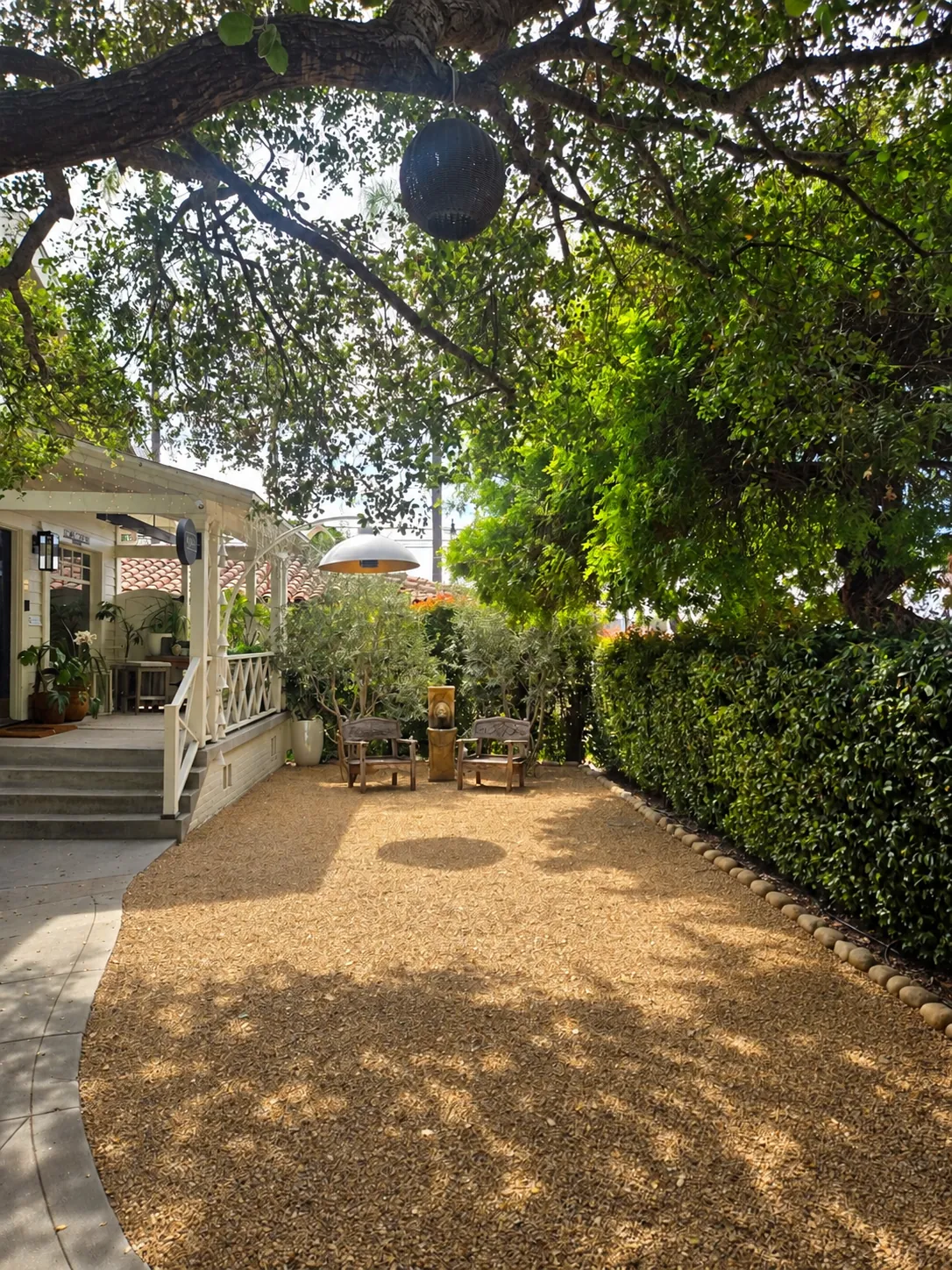
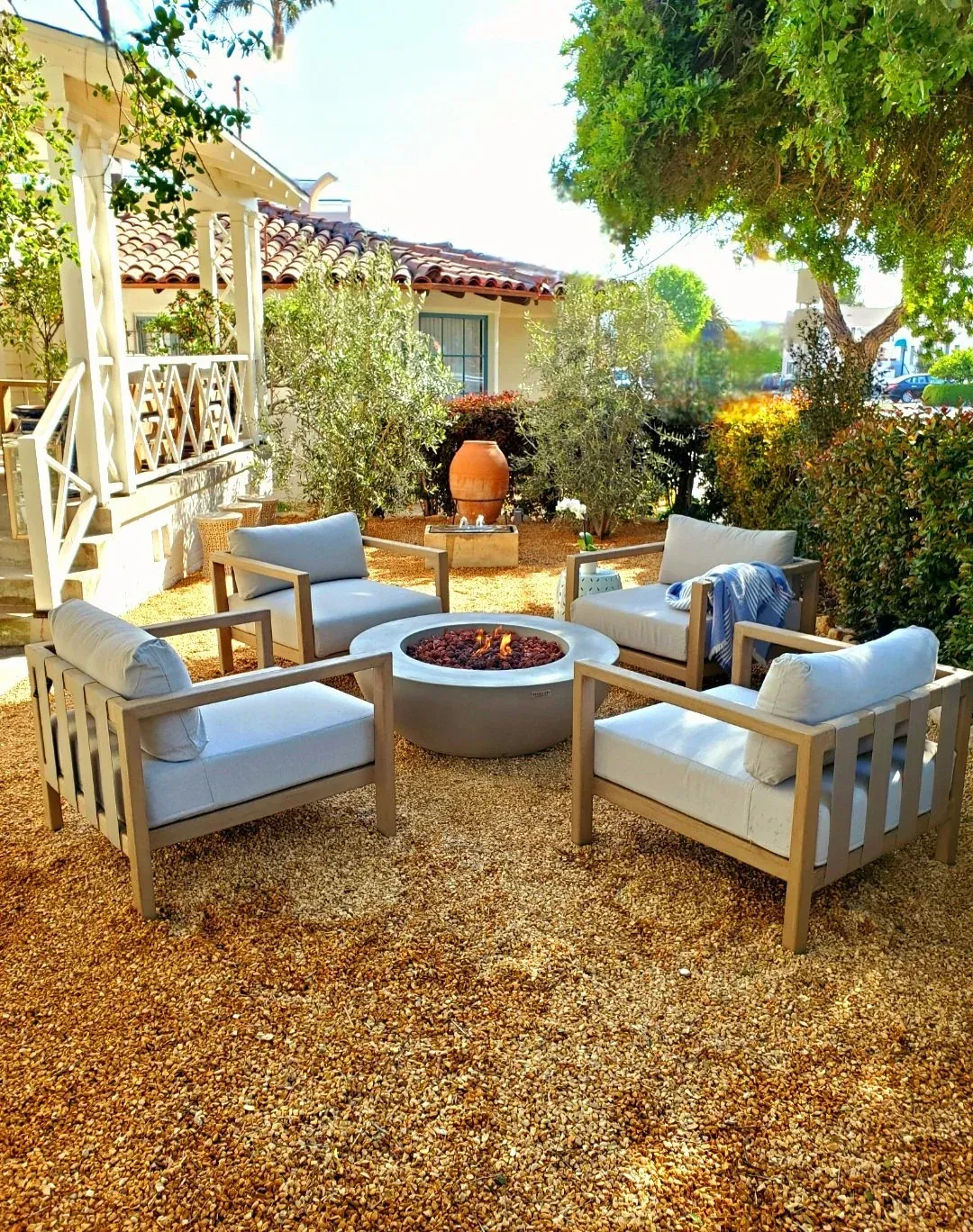
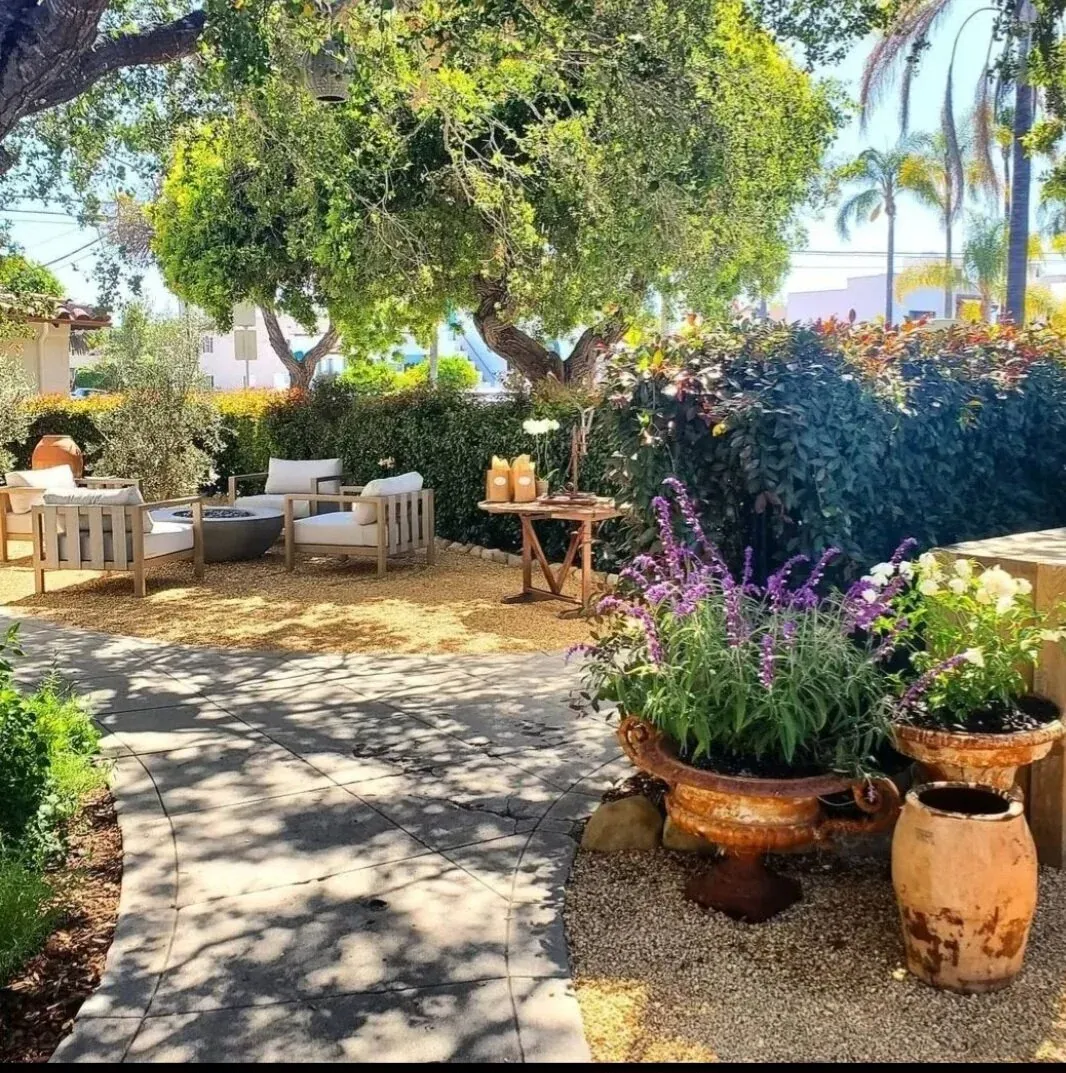
Islay Gardens is designed for couples who want an intimate wedding to feel generous rather than scaled down. The private outdoor setting has room for a ceremony, cocktails, a shared meal, and unhurried conversation, with two garden areas, shaded seating, restrooms, porch access, and a separate space for catering.
For couples who elope first, the garden can also become the setting for the celebration that follows: a long lunch, cake and champagne, or dinner with the people you want closest. Outside caterers and professional vendors are welcome, so the gathering can take the shape that suits your day.
Frequently asked questions
What is the difference between an elopement and an intimate wedding?
An elopement usually centres the couple, with no guests or only a very small circle. An intimate wedding makes room for a deliberately limited guest list and a shared celebration, often with a meal or reception.
Can you elope and celebrate with family later?
Yes. A legal ceremony or private vow exchange can happen first, followed by a lunch, dinner, or later celebration with the people you want to include.
How many guests make a wedding intimate?
There is no official cutoff. The useful number is one that lets you be present with each guest and choose a setting that feels comfortably full rather than oversized.
Which is less expensive, an elopement or an intimate wedding?
Either can be modest or elaborate. The clearest budget difference is usually the guest experience: meals, seating, transportation, rentals, and hospitality rise as more people join the day.
When you have a guest count or celebration shape in mind, send an inquiry to Islay Gardens.