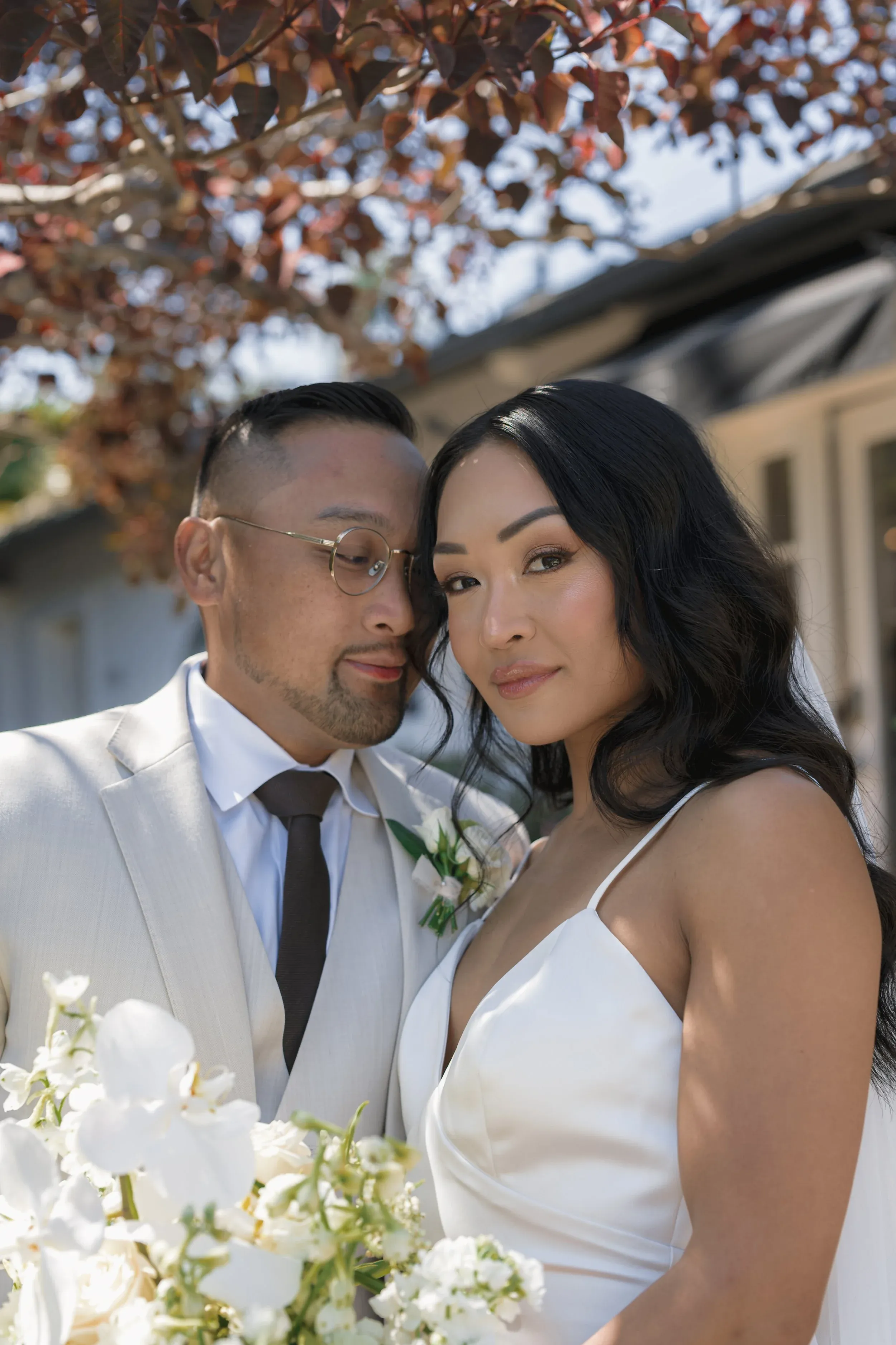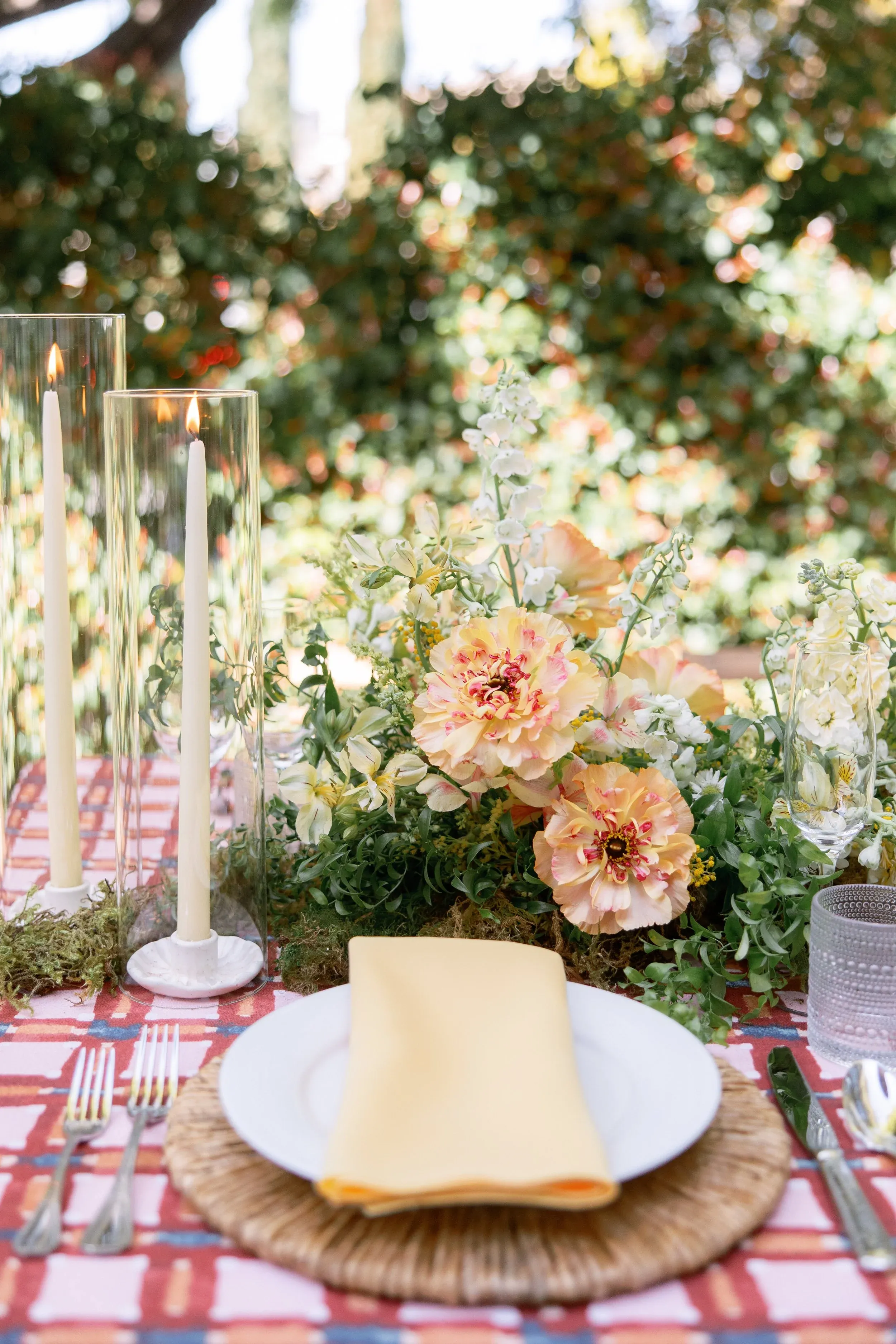
The best rehearsal dinner timeline gives people room to arrive, connect, and settle in before the wedding day begins. It is not a second reception with every minute accounted for. It is a simple sequence that keeps the evening moving without making anyone feel hurried.
Start with the non-negotiables: the ceremony rehearsal, travel between locations, the meal, and the time everyone needs to get home and rest. Then build in pauses. Those small gaps are where relatives meet, friends catch up, and the group starts to feel like a wedding weekend rather than several separate plans.
Start by protecting the space between plans
Before assigning a dinner start time, look at the whole evening. When does the ceremony rehearsal actually end? Does anyone need to collect flowers, drop something off, or travel across town? Will guests arrive directly from a hotel, or are they coming from the rehearsal? A timeline works when it respects those practical details instead of pretending everyone can appear in the next place at once.
Many planners suggest allowing the ceremony run-through about an hour, plus time for key people to arrive before it begins. The wedding planner behind this timing guide also recommends building travel and a little gathering time into the handoff from rehearsal to dinner. That buffer is not dead time. It is what keeps the first welcome from beginning with apologies and hurried parking.
If your group is small and both locations are nearby, the transition can be shorter. If grandparents, children, or out-of-town guests are involved, give everyone the gift of a little more time. A relaxed arrival is the beginning of the gathering, not something to hurry through.

A simple rehearsal dinner timeline
This example works well for a dinner that follows an early-evening rehearsal. Adjust the clock to suit your ceremony, travel distance, and the kind of meal you are hosting. The rhythm matters more than the exact times.
4:30 PM: Key people arrive for the rehearsal
Invite the wedding party, immediate family, officiant, and anyone with a role in the ceremony to arrive before the run-through begins. This is the right time to solve small questions about processional order, readings, or where people need to stand. It is also when you want to share the exact dinner location and any travel notes, so no one has to hunt for them afterward.
5:00 PM: Ceremony rehearsal begins
Keep the rehearsal focused on the parts people need to know. Walk through the entrance, the key ceremony moments, and the exit. A concise run-through leaves room for questions without draining everyone before the dinner. If there are personal items to hand off, decide in advance who is responsible rather than making the whole group wait.
6:00 PM: Rehearsal ends and people make their way to dinner
Build in travel, parking, and a moment to reset. Couples often underestimate how much this transition changes the feel of the night. When guests can arrive without rushing, they are ready to greet one another instead of checking the time. If dinner is at a separate venue, put the address and arrival window in a short message or on the invitation.
6:30 PM: Guests arrive and settle in
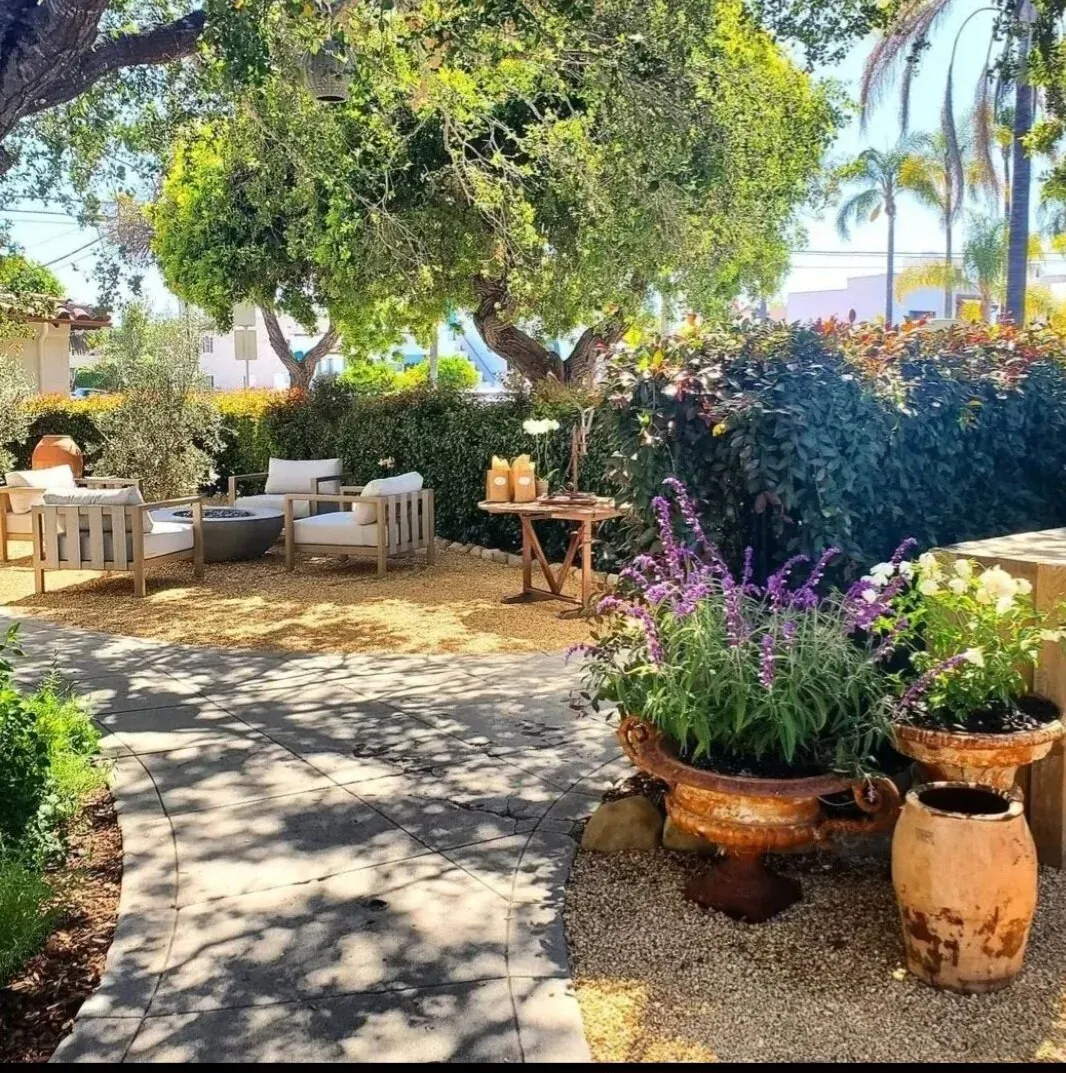
Make this part of the plan, not an accidental delay before the meal. Offer a drink, water, or a small starter while people meet and find their place. If both families are together for the first time, this loose half hour is often more valuable than another formal activity. Introduce people who should know one another, then let the room do the rest.
For a more intimate group, guests may naturally gather around one long table. For a larger welcome dinner, a few places to stand or sit can help people move easily between conversations. The goal is simply to give everyone a soft landing before dinner calls them together.
7:00 PM: Serve the meal
Choose service that matches the pace you want. A seated supper gives a close group time to talk. Family-style dishes offer an easy shared moment. A cocktail-forward gathering with substantial food can work beautifully when you want people to circulate. The food does not have to be elaborate. It has to be clear, generous, and easy for the group to enjoy.
For a wedding weekend, the menu can also carry a little personality. A favorite local restaurant, a family recipe, or a meal you would happily share on an ordinary night can feel more memorable than trying to stage something formal. Keep dietary needs in view and make nonalcoholic drinks as easy to find as anything else.
7:45 PM: Make space for a few words
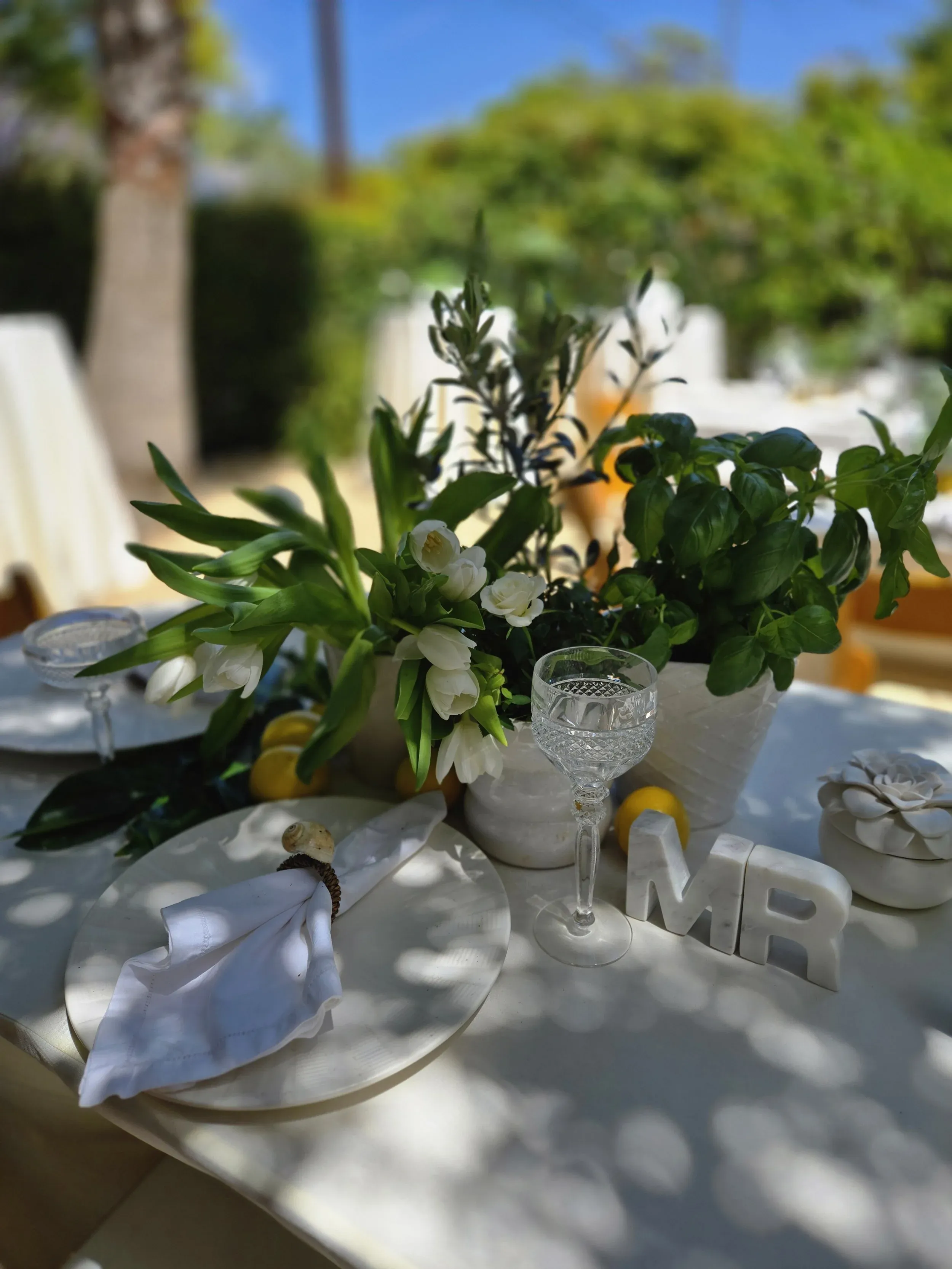
Toasts are most meaningful when they are short and well placed. Once everyone has eaten a little, invite one or two people to welcome the group, thank those who traveled, or share a story. You do not need to give every guest a speaking role. A rehearsal dinner is not a performance schedule, and the best words usually land because they leave room for the rest of the evening.
If you need to share practical information for the wedding day, this is a sensible moment: where to meet, when to arrive, transportation details, and a single contact person for questions. Keep it short enough that guests remember it, then let them return to the people at the table.
8:00 PM: Let conversation take over
After the meal and toasts, stop adding things. This is the part of the timeline where both families begin to relax together. Guests can move to another table, catch up with someone they have not seen, or sit outside for a little longer. If you have dessert, bring it out as a natural excuse to linger, not as a signal that another activity is coming.
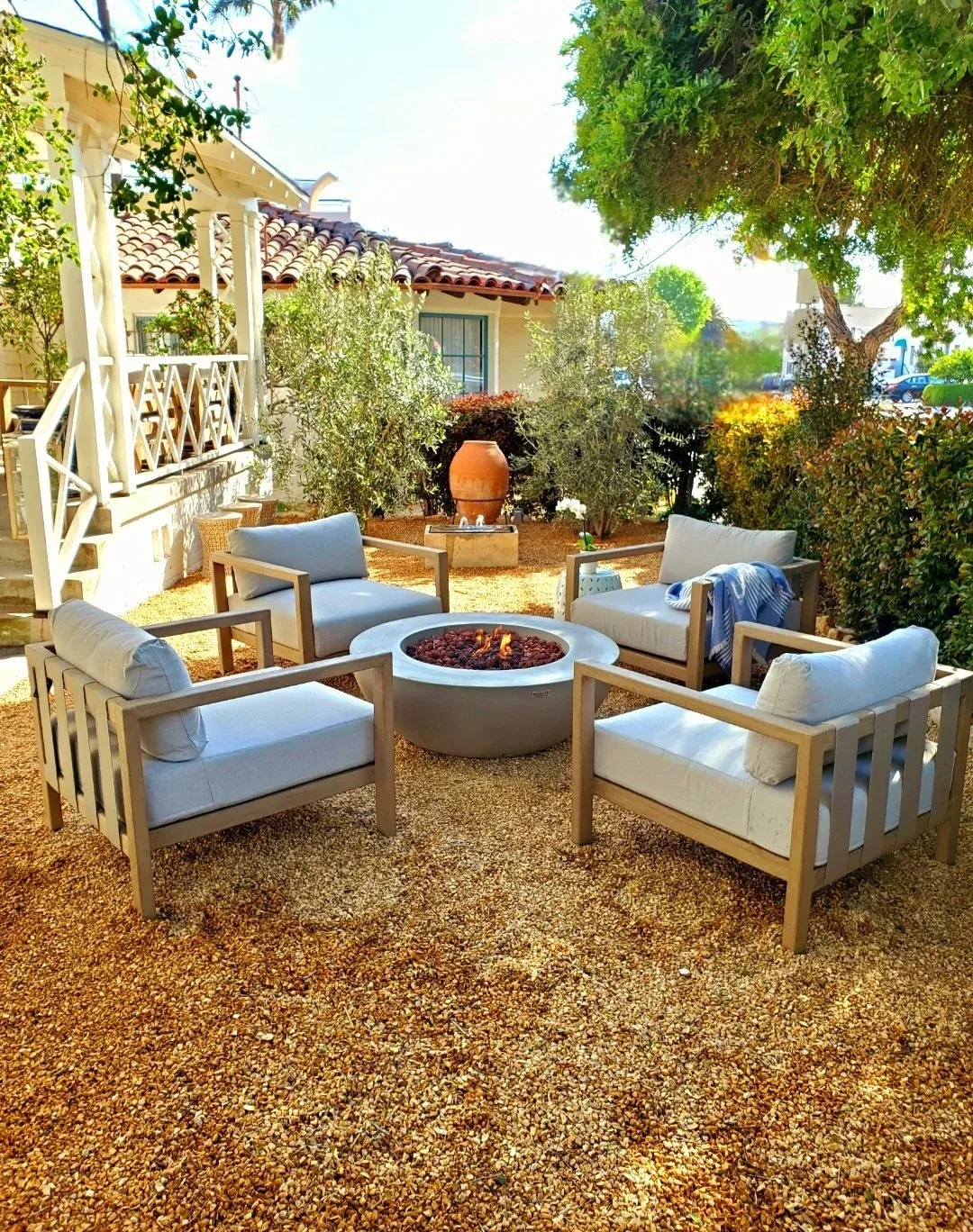
A quieter corner makes a difference here. At a private garden dinner, one group might stay at the table while another gathers by a firepit or under the trees. The evening feels generous because people can choose their own conversation instead of being directed from one moment to the next.
8:45 PM: Close while the room still has energy
Ending with a clear but warm close protects the wedding day. One final thank-you, a reminder of the morning plan, and a few last hugs are enough. The aim is not to send people away early for its own sake. It is to let them leave feeling included, fed, and excited for tomorrow.
Before you go, take five quiet minutes for yourselves. The wedding day will carry plenty of momentum. A small pause at the end of the rehearsal dinner gives you a chance to notice that the people you love have arrived, the work is largely done, and the weekend has already begun. That quiet moment is often the part couples remember most clearly when the weekend becomes a blur. It gives tomorrow a softer, steadier beginning, before the early messages, hair appointments, and wedding-day movement begin.
How to adapt the timeline to your group
Not every rehearsal dinner needs a full sit-down meal. A small group may want drinks and dinner at one table. A larger group may prefer an open-house-style welcome with a clear arrival window. A courthouse wedding or evening ceremony may call for a daytime lunch instead. Start with the feeling you want guests to leave with, then remove anything that does not support it.
For more ideas about the mood and format, the Journal's rehearsal dinner ideas guide helps with guest lists, food, toasts, and the details that make the evening feel personal. If you are still shaping the whole weekend, the small wedding planning guide can help you protect the parts of the day that matter most.
Three timeline mistakes that make the night feel rushed
Starting dinner at the exact moment rehearsal ends
Even when the two places are close, the group needs time to gather belongings, say goodbye to an officiant, find a car, and get settled. Put that breathing room into the invitation time rather than treating it as a delay. Guests will remember a calm arrival far more than they will remember whether dinner began exactly on the half hour.
Adding every wedding task to the dinner
A rehearsal dinner can include a few reminders, gifts, and thanks. It does not need to carry every unfinished decision from the wedding. Keep vendor questions, décor adjustments, and detailed family logistics with the one or two people responsible for them. The group should feel welcomed, not recruited into a final planning meeting.
Leaving the end of the night undefined
If the next day has an early start, tell guests what the natural close will be. A final toast, dessert, or brief thank-you gives the evening a satisfying finish. It lets the people who are ready to leave do so comfortably, while the closest family and friends can share a few quiet moments without the party accidentally becoming a late night.
Frequently asked questions
What time should a rehearsal dinner start?
Choose an invitation time that gives guests a moment to arrive and greet one another before food begins. Work backward from the ceremony rehearsal, travel, and the kind of evening you want, rather than trying to follow one universal hour.
How long should a rehearsal dinner last?
Give guests enough time to arrive, eat, talk, and hear a few words, then end while everyone still has energy for the wedding day. A shorter gathering can be just as meaningful as a late night.
Do you need a detailed rehearsal dinner schedule?
No. A simple sequence is more useful than a packed schedule: guests arrive, connect, eat, hear a few toasts if you want them, and head home with a clear plan for tomorrow. Leave space between the parts for real conversation.
Should the rehearsal dinner happen right after the ceremony rehearsal?
It often does, but allow enough time for the group to leave the ceremony location, travel, and arrive without rushing. If your rehearsal happens earlier, a later dinner can still feel connected when guests know the plan in advance.
When you have a date and guest count in mind, send an inquiry to Islay Gardens.