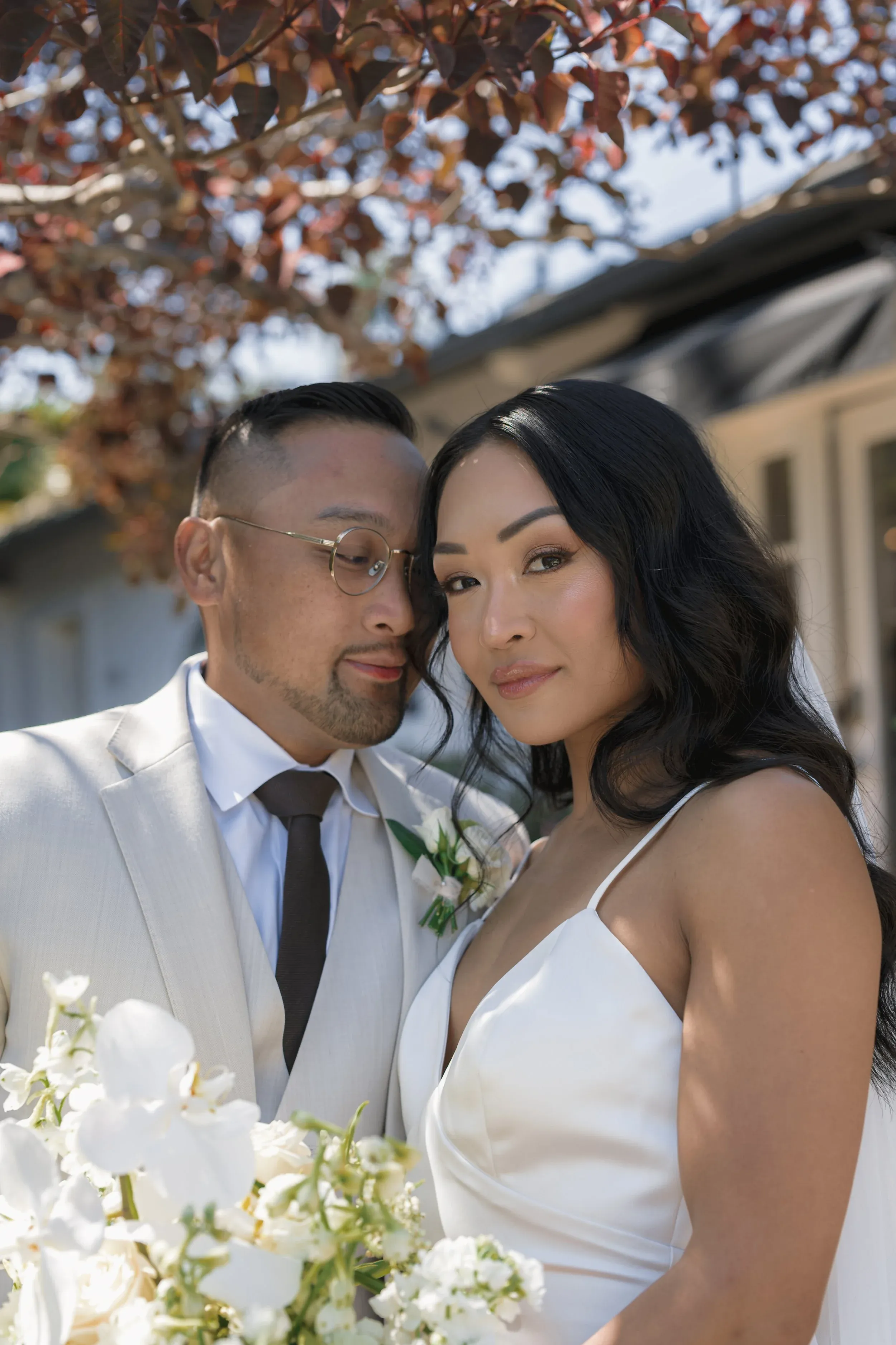
A rehearsal dinner is the first real exhale of a wedding weekend. People arrive from different places, meet relatives whose names they have heard for years, and get a little time together before the day itself moves quickly. The best rehearsal dinner ideas make that job easy. They create a welcome, not another event you have to perform.
That can mean a long table, a garden cocktail hour, tacos and a few toasts, or a simple dinner at a place you both love. The format matters less than the feeling. Start with the people you want to bring together, then build an evening that lets them settle in, eat well, and leave knowing the wedding is going to feel warm.
1. Decide what the evening is meant to do
Before choosing a theme or a menu, decide what you need from the night before the wedding. Some couples want a true rehearsal, followed by dinner with the wedding party and immediate family. Others want a welcome gathering for out-of-town guests. Some need a quiet, contained meal because the wedding day will be full. All of those are good reasons to host one, but they lead to different plans.
Write down the one thing you hope guests feel when they leave. They know each other better. They have had a chance to welcome family. They understand where to be tomorrow. They have celebrated without wearing themselves out. That answer is more useful than a color palette because it tells you how much structure the evening needs.
A relaxed rehearsal dinner has a simple center. It may be a shared meal, a round of drinks, a few words from each family, or a favorite local food. Everything else can support that center. When the plan has one clear purpose, you are less likely to turn the evening into a second wedding reception.

2. Build the guest list around the welcome you want to give
There is no single rule for who belongs at a rehearsal dinner. Start with the people involved in the ceremony: your wedding party, immediate family, and anyone who needs to hear the practical details. Then consider the people for whom a welcome would make the weekend kinder, such as grandparents, close family friends, and guests who have traveled a long distance.
Guest count shapes everything from the room to the conversation. A table of twelve can be intimate enough for everyone to speak. A group of forty may work better with a welcome drink, a few shared tables, and more room to circulate. You do not need to invite every wedding guest to make the evening generous. You only need to be clear about the kind of gathering you are hosting.
For a smaller list, keep the invitation personal and direct. For a larger welcome gathering, give people a clear arrival window and let the tone stay casual. A line such as “Join us for drinks and dinner before the wedding” sets a much more useful expectation than trying to make a short evening sound formal. Guests are usually relieved to know whether they are walking into a dinner, a cocktail hour, or something in between.
3. Choose a format that lets both families talk
The most effective rehearsal dinner ideas leave people room to meet. If both families are together for the first time, a format that keeps everyone seated in one place can be lovely, but it can also make conversation feel fixed. Consider the rhythm before choosing the layout: where will guests arrive, where will they have their first conversation, and when will the group come together?
A welcome drink followed by dinner is an easy answer. It gives early arrivals something to do, lets people greet one another naturally, and creates a quiet transition into the meal. A long-table dinner works beautifully for a close group. Cocktail-style food and scattered seating are useful when there are more people or several social circles meeting at once. A daytime lunch can be especially nice when the wedding itself is in the evening.
Keep the flow to two or three moments, rather than trying to schedule every minute. Guests do not need entertainment between courses. They need a place where they can sit down, move around, and catch up. For more format inspiration, The Knot’s rehearsal dinner ideas show how a welcome gathering can feel distinct without becoming overly formal.
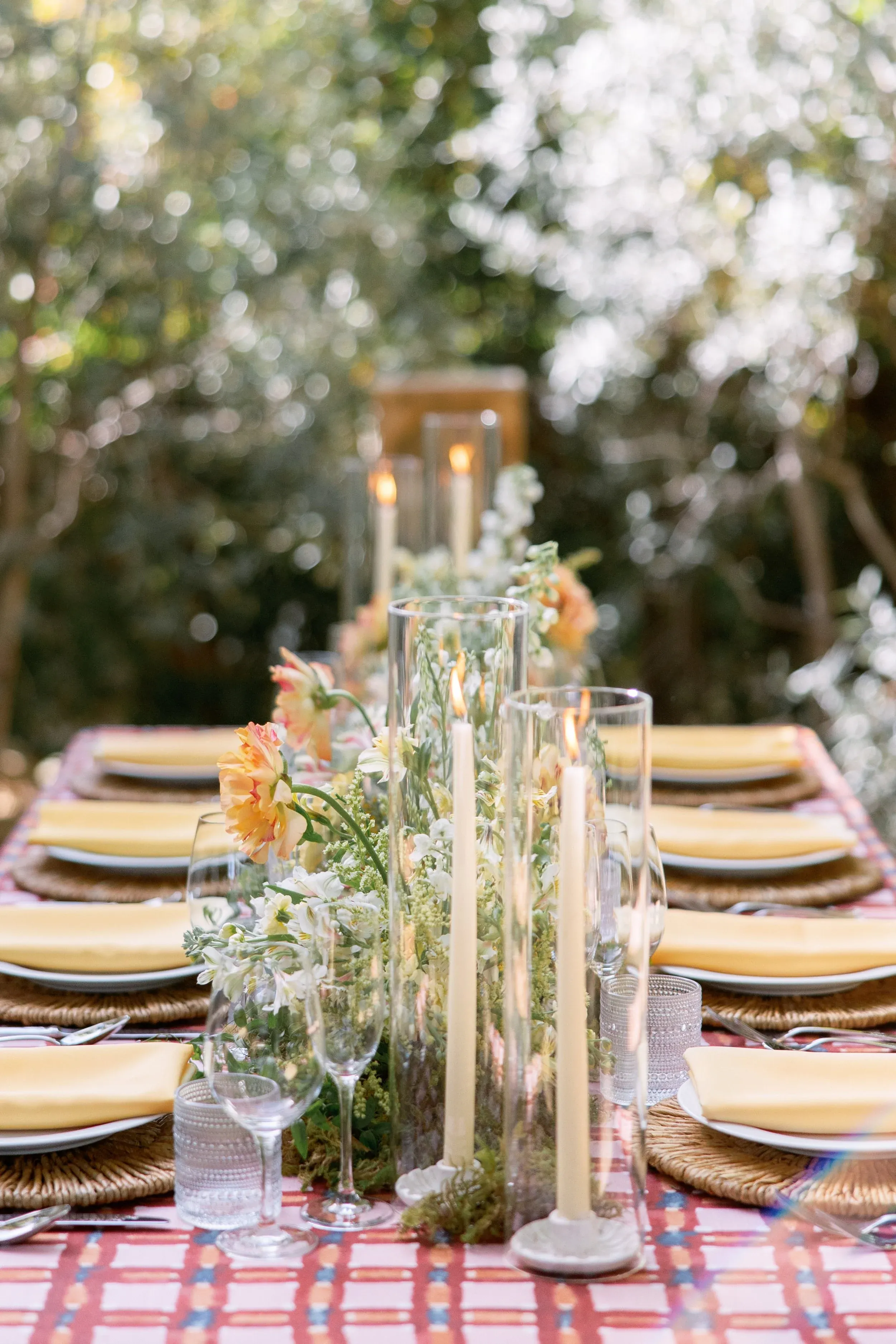
4. Pick a setting that carries some of the atmosphere for you
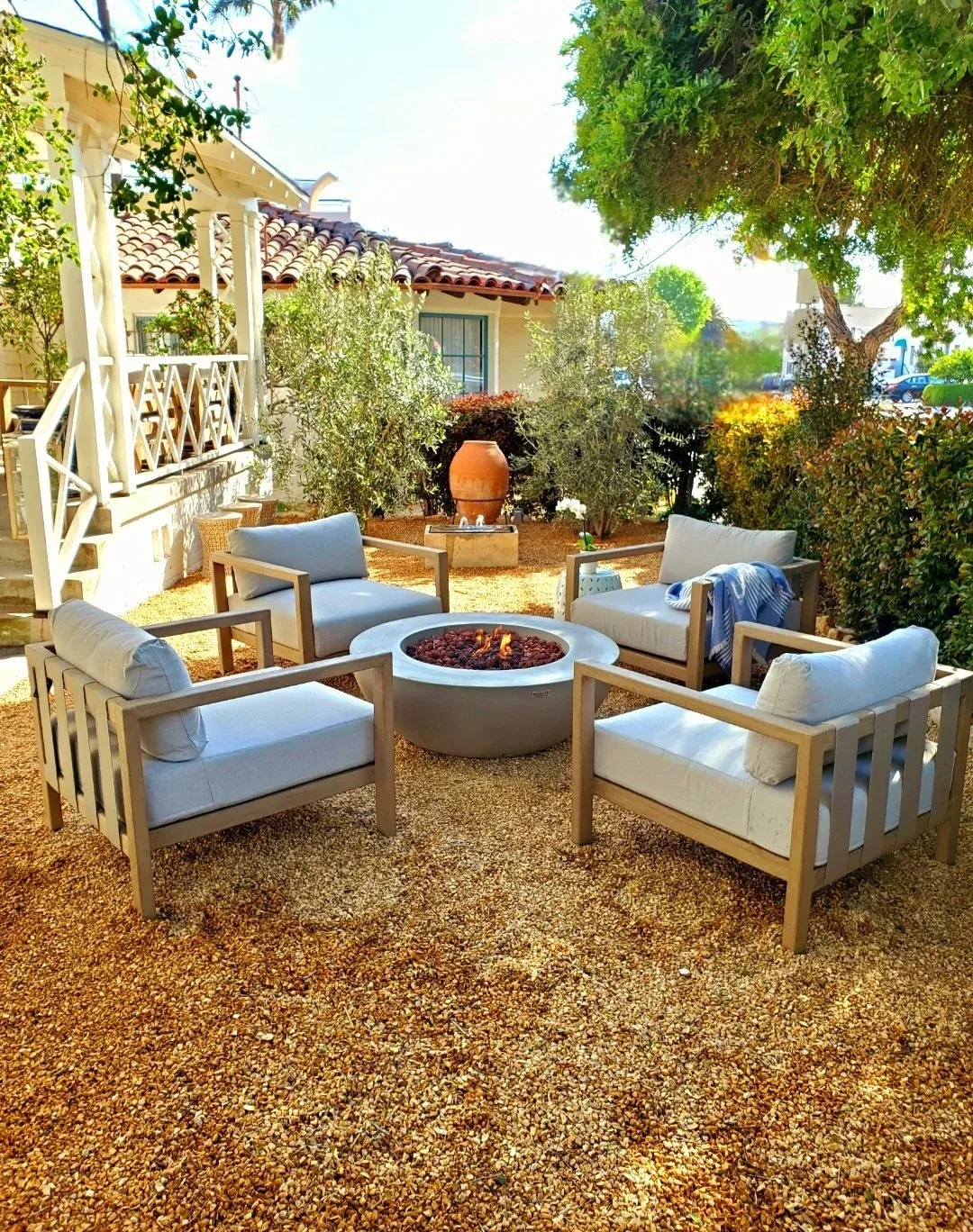
The setting should make the evening easier, not add another list of decisions. Look for a place where guests can hear one another, where older relatives have a comfortable place to sit, and where the arrival feels clear. If you are gathering outdoors, think about shade, temperature, lighting, restrooms, and the walk from parking before you decide how the table should look.
A private space can be especially useful the night before a wedding. No one has to compete with another party, and the couple can move through the evening without being rushed from one reservation to the next. A garden, courtyard, private dining room, or family home can all work when the space gives people a natural reason to linger.
Let the place lead the styling. A garden may only need candles, a few flowers, and a good table. A favorite restaurant may need little more than a warm welcome at the door. The goal is not to make the rehearsal dinner match the wedding. It is to make the evening feel like the beginning of the same weekend.
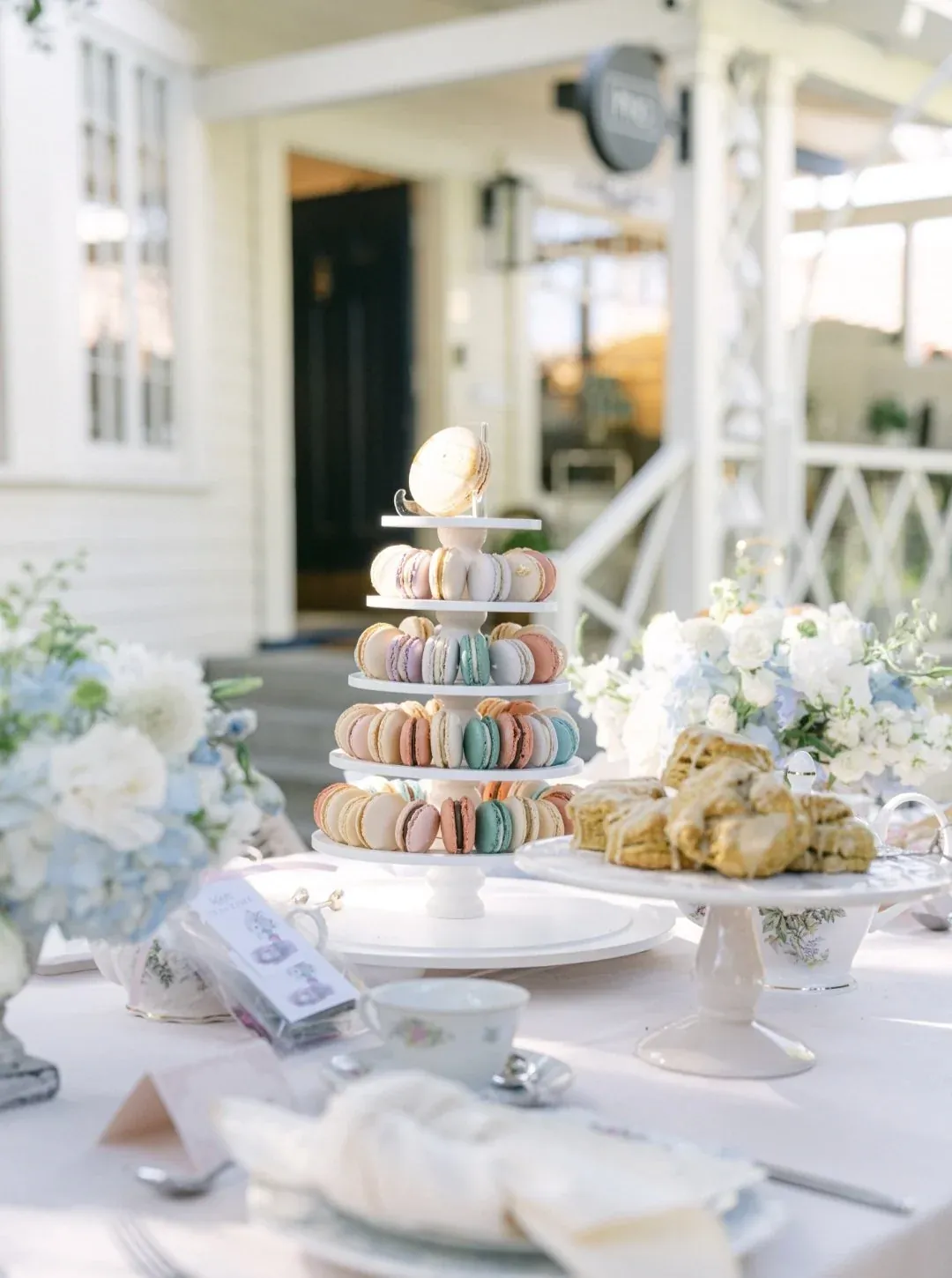
5. Make food and drinks easy to enjoy
Food is one of the simplest ways to make guests feel cared for. Choose something people can eat without a complicated explanation or a tightly timed service. A family-style dinner encourages conversation. Passed appetizers and a drink station work well for a looser welcome. Tacos, pizza, seafood, a favorite local restaurant, or a menu with family significance can all be more memorable than a formal meal that does not feel like you.
Give guests a choice, but keep the decisions light. A short menu with a clear vegetarian option is usually easier than a long list of selections collected weeks ahead. If the gathering begins outside, have water available as soon as people arrive. If you plan to serve alcohol, make sure there are thoughtful nonalcoholic drinks too. Hospitality is often less about adding options and more about making the essential ones easy to find.
Consider the timing of the wedding day as well. If everyone needs an early start the next morning, a lingering dinner with dessert may be a better fit than a late party. If the wedding is later in the day, a welcome cocktail hour can give people a low-pressure way to spend the evening. The right menu supports the pace you want, rather than forcing the pace around a menu.
6. Use one or two personal ideas, then stop
Personal does not have to mean elaborate. A few details that tell your guests something about you will carry more feeling than a room full of themed decorations. You might serve the meal you order every anniversary, use your favorite regional food, play a short dinner playlist, or place a few family photographs near the entrance. The best details give guests something to notice or talk about without pulling attention away from the people in the room.
A few rehearsal dinner ideas that work well for many groups are a casual welcome bar, a shared long-table meal, a local-food menu, a short family storybook on the table, or a simple dessert moment. You can also use the evening to introduce a wedding-weekend detail, such as the next day’s transportation plan or a note of appreciation for everyone who traveled.
For more visual approaches, Brides’ creative rehearsal dinner roundup is useful for seeing how color, food, and setting can set a tone. Borrow the part that feels natural, then leave the rest. A rehearsal dinner should still sound like you when someone describes it the next morning.
7. Keep toasts and logistics short
A rehearsal dinner is a good place to say thank you, but it does not need a full program of speeches. Choose one or two people to welcome everyone, thank those who traveled, and share any information guests truly need for the next day. A few genuine words will land better than asking every person at the table to perform.
If you are giving gifts to the wedding party or parents, do it in a way that suits the room. A close dinner may be the right setting to hand them over with a personal note. A larger welcome event may be better for a brief thank-you, with gifts shared privately later. Think about what will make the people receiving them feel seen, not what will create the biggest moment.
Save only the practical details that protect the wedding day: where and when to arrive, transportation if it matters, and who to contact if someone gets lost. Put the rest in a note or wedding website. The evening should leave guests informed, but not feeling like they have attended a briefing.
8. End before everyone is tired
The night before the wedding is not the time to discover that the group would happily stay out until midnight. Set a natural end point, especially if there is an early ceremony, hair and makeup, travel, or a large group to coordinate the next morning. Dessert, a final toast, or one last round of hugs can give the evening a satisfying close without making anyone feel pushed out.
Leave yourselves a little room at the end too. You may want a quiet walk, ten minutes with family, or simply the chance to head home together before the busiest day of the weekend begins. Ending with energy still in the room makes tomorrow feel more exciting, not harder.
Frequently asked questions
Who should be invited to a rehearsal dinner?
Start with the people involved in the ceremony, immediate family, and the guests for whom a welcome would make the weekend more comfortable. That may include grandparents, close friends, partners of the wedding party, and people who have traveled a long way.
Does a rehearsal dinner need a formal meal?
No. A rehearsal dinner can be a seated meal, cocktails and small plates, a long lunch, or a casual welcome gathering. Choose the format that gives your group time together without creating another tightly scheduled event.
How long should a rehearsal dinner last?
Plan enough time for guests to arrive, eat, and talk, then leave everyone with a calm end to the evening before the wedding day. One welcome, one shared food moment, and a few words are often all you need.
What makes a rehearsal dinner feel personal?
Choose food, music, a setting, and one or two moments of welcome that feel natural to both families. The most personal rehearsal dinners leave room for guests to get to know one another, rather than filling every minute with planned activity.
When you have a date and guest count in mind, send an inquiry to Islay Gardens.