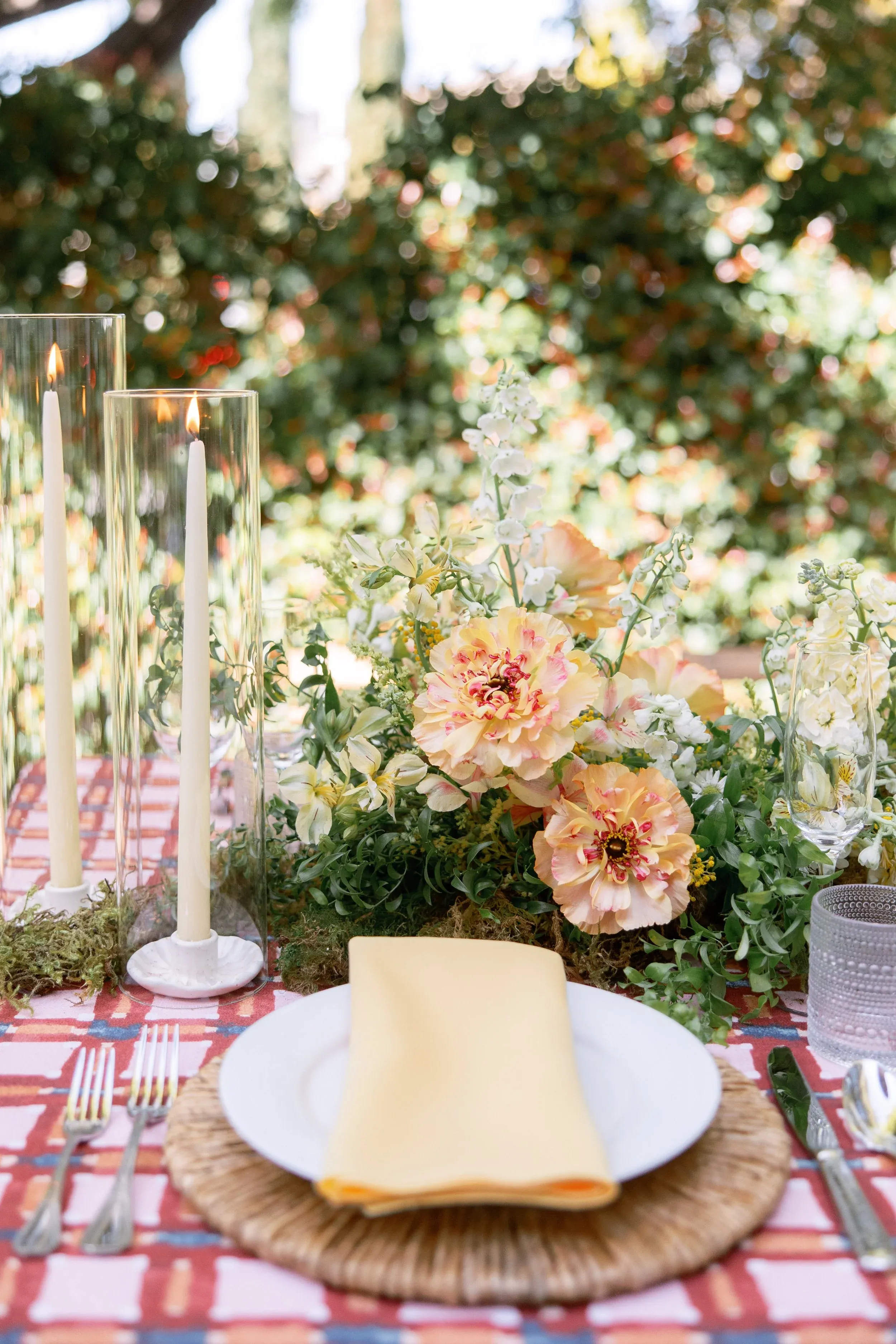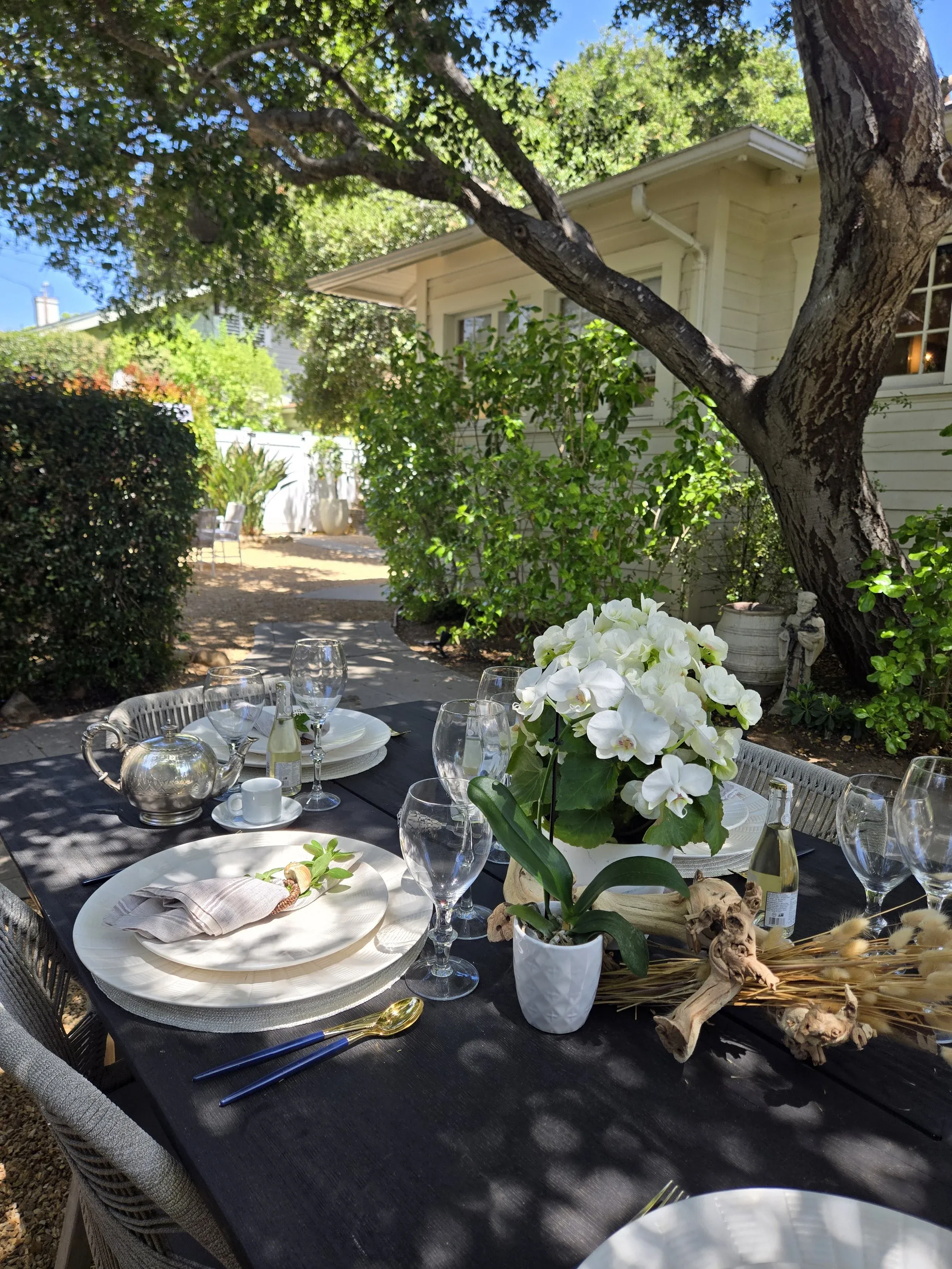
A rehearsal dinner does not need to be elaborate to feel generous. It needs a clear plan: the right people, a setting that suits the group, a meal that takes care of them, and enough time for everyone to head into the wedding day feeling settled rather than spent.
Use this rehearsal dinner checklist to make decisions in a sensible order. It is built for couples who want a warm welcome for the people closest to them, without turning the night before the wedding into a second production.
Start with the purpose of the evening
Before choosing a menu or a theme, decide what you want the dinner to do. For some couples, it is the first chance for two families to relax together. For others, it is a thank-you dinner for the wedding party, a quiet meal after the ceremony run-through, or a welcome for guests who have traveled.
That purpose makes the practical choices easier. A small group that has already spent the afternoon together may want a seated dinner with time for conversation. A larger out-of-town group may work better as a cocktail-forward welcome with a clear dinner hour. Neither needs more entertainment simply because it is a wedding weekend.
Traditional etiquette guides commonly include the wedding party, immediate family, the officiant, and their partners, while leaving the rest of the list to the couple and host. Emily Post’s rehearsal-dinner guidance is useful here because it treats those names as a thoughtful starting point, not a rule that must make the room too large.
Four to five months before: set the foundation
Choose the host and decision-makers. Talk plainly about who is hosting, who is contributing, and who can make the final call when choices come up. A rehearsal dinner can be hosted by either family, the couple, or several people together. The useful thing is not the tradition. It is avoiding a vague budget or competing opinions later.
Set a working guest-count range. Make two lists: the people who need to be there for the rehearsal and the people you would genuinely like to welcome. Count partners and children intentionally. That range will tell you whether you need one long table, a private dining room, a garden dinner, or a more open gathering.
Confirm the rehearsal itself. Ask the ceremony location or officiant for the actual run-through time, expected length, parking instructions, and who needs to attend. Build the dinner around that handoff, including travel time. A lovely dinner feels rushed when guests do not know where to go next.
Reserve the setting. Look for a place that matches the group, not just a pretty backdrop. Ask about seating, weather alternatives, food service, accessibility, restrooms, parking, setup access, and when the event must end. For an outdoor setting, shade or warmth and a simple plan for uneven ground can matter more than another decorative detail.
Choose a budget that protects the welcome. Start with food, drinks, the venue or reservation, service, taxes, gratuity, and transportation before flowers or favors. A well-fed group with clear arrival information will remember the night as generous, even if the table is simple.
Two to three months before: make it easy to say yes
Send the invitation. Include the date, arrival time, address, RSVP deadline, and a useful dress note. If guests will move from a rehearsal to dinner, say where they should meet first and whether they need their own transportation. A separate invitation is often clearest when not every wedding guest is included.
Choose a meal format that suits conversation. A shared dinner, family-style meal, restaurant menu, buffet, or cocktail gathering can all work. The decision should come from how you want people to spend the evening. If the goal is for families to get acquainted, make sure there are enough seats, a comfortable pace, and food people can manage without a long line.
Ask about dietary needs early. Add one simple question to the RSVP and give the final list to the caterer or restaurant before the deadline. It is a small practical kindness that makes guests feel considered before they arrive.
Decide on toasts and gifts. You do not need a microphone and a formal program. If a parent, friend, or the couple wants to speak, ask them ahead of time and keep the moment brief. This is also a natural time for wedding-party gifts, but only if that feels useful to your group.

One month before: make the evening feel personal
Now that the structure is set, add only the details that help the room feel like yours. Choose one or two anchors: a favorite local meal, family-style dishes, photographs from earlier years, a meaningful playlist, or a few seasonal flowers. You do not need a new color palette, a large installation, or a packed activity list to make the dinner memorable.
Think about seating if the group includes people who have not met. A loose seating plan can make introductions less awkward and help grandparents, siblings, and close friends have real time together. If you prefer a more casual evening, create a few easy places to sit rather than trying to direct everyone.
Write one short plan for the people helping host: where to greet guests, when food begins, who has the final headcount, when toasts happen if any, and who is taking home gifts or decor. A small plan lets the hosts enjoy the dinner, too.
Two weeks before: close the loops
Confirm the final count. Follow up with anyone who has not replied, then give the final number and dietary notes to the venue, restaurant, or caterer. Confirm what time the space is available, where vendors load in, and whether a final payment is due before the evening.
Share the practical information. Send guests a concise reminder with the rehearsal address and time, dinner location, parking or rideshare guidance, and a contact number for the person coordinating the evening. If the setting is outdoors, mention comfortable shoes or an evening layer when that will genuinely help.
Make a day-of kit. Keep place cards, gifts, printed remarks, payments, a phone charger, a small first-aid kit, and any personal items together. Assign one trusted person to carry it. The point is not to prepare for disaster. It is to keep small tasks from landing on the couple right before dinner.
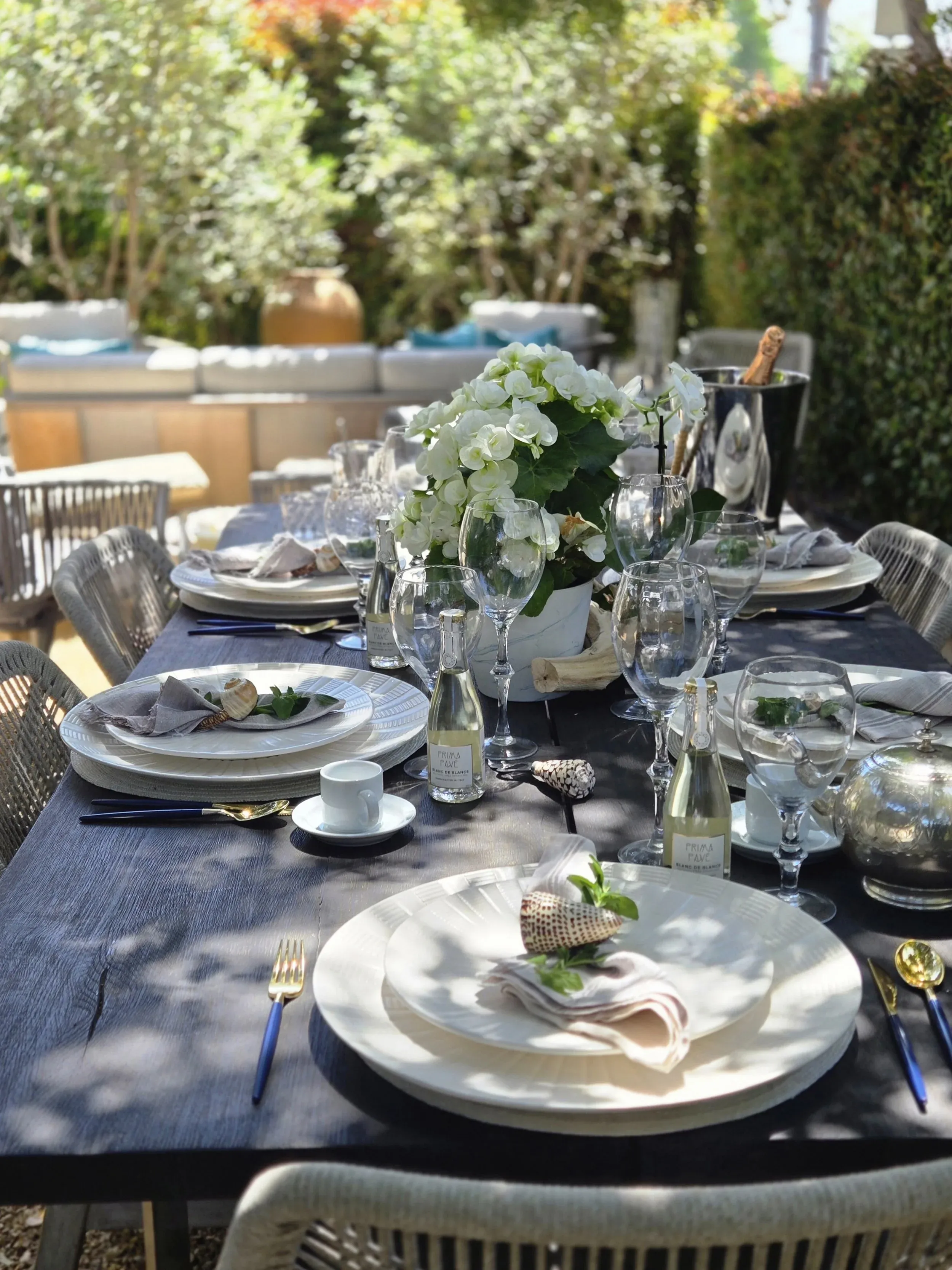
On the day: keep the rhythm simple
A calm rehearsal dinner usually follows a calm sequence. Let people arrive and greet one another. Move through the rehearsal with enough buffer to travel. Welcome guests with a drink or a place to settle. Serve the meal, leave room for a few words if desired, and end while everyone still has energy for the wedding day.
Do not try to answer every question about tomorrow during dinner. Give the wedding party a separate, short note with their arrival time and responsibilities. The dinner is for connection. When guests leave feeling fed, informed, and glad they came, it has done its job.
For more help shaping the evening, use our rehearsal dinner timeline to map the hours around your ceremony run-through, then explore our rehearsal dinner ideas for warm, low-pressure ways to welcome the room.
At Islay Gardens, make room for a real welcome
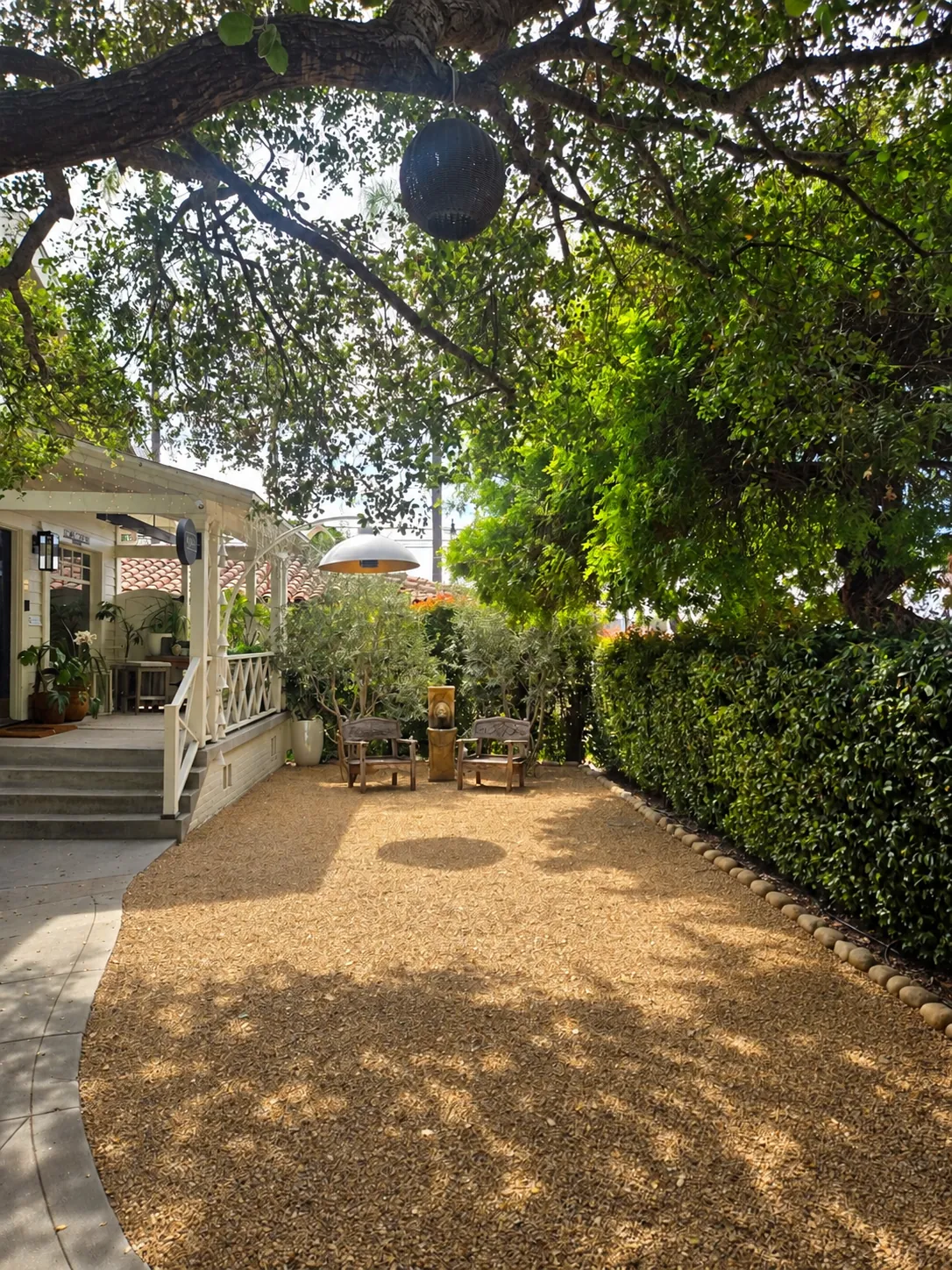
A rehearsal dinner is at its best when the people closest to you can settle in, eat well, and actually get to know one another before the wedding. Islay Gardens offers a private outdoor setting for that kind of evening, with space for a shared meal, welcome drinks, toasts, and a relaxed close beneath the trees.
For groups that want a thoughtful handoff from rehearsal to dinner, the garden can support a long table, a cocktail-style welcome, or a seated meal with your own professional caterer and vendors. The setting is fully outdoors, so an earlier start can make the evening especially comfortable.
Frequently asked questions
Who is invited to a rehearsal dinner?
There is no fixed guest list. Many couples include immediate family, the wedding party and their partners, the officiant, and anyone with a meaningful role in the ceremony. Add out-of-town guests only if the budget and format make that feel welcoming.
When should you plan a rehearsal dinner?
Start as soon as the ceremony time, guest list range, and wedding-weekend budget are clear. Booking the setting and sharing an early save-the-date gives guests and vendors more room to plan.
What should happen at a rehearsal dinner?
A simple flow works well: guests arrive, the group eats, a few people offer toasts if wanted, and the evening ends early enough for rest. The goal is connection, not recreating the wedding reception.
How long should a rehearsal dinner last?
Most rehearsal dinners feel comfortable at about two to three hours after the ceremony run-through. The right end time leaves guests with a clear next-day plan and enough energy for the wedding.
When you have a wedding date and guest-count range, send an inquiry to Islay Gardens.